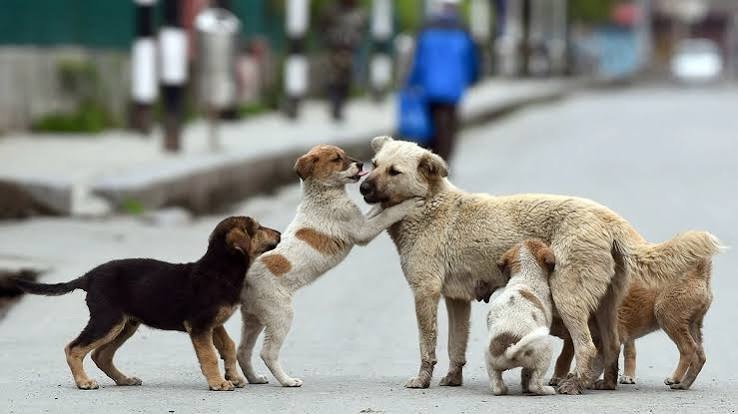
Instructions: Send an email to Indian government authorities urging them to investigate cruelty against street animals & increase penalties under the PCA 1960. Copy-paste each email address separately, not as a block.
Send to:
Animal Welfare Board of India: support@awbi.gov.in; secretary.awbi@gov.in
Department of Animal Husbandry & Dairying: minister-fahdpr@nic.in; rrsingh@sansad.nic.in
Subject: Urgent Need for protections against cruelty for community and street animals in India
Text:
To the Animal Welfare Board of India and Relevant Government Authorities,
I am writing to express serious concern regarding the protection of street and community animals in India and to urge meaningful reform of the laws, policies and systems intended to protect them.
The Prevention of Cruelty to Animals Act, 1960 (PCA Act) was enacted more than six decades ago. Despite the enormous social and economic changes that have occurred since then, its core cruelty provisions and penalties remain outdated and inadequate. Penalties for cruelty are extremely low and do not reflect the seriousness of deliberate acts of violence against animals or provide a meaningful deterrent.
India’s Animal Birth Control Rules, 2023 provide a framework for managing street and community dogs through sterilisation, vaccination and return to their locality. However, a Supreme Court decision in 2025 specified that dogs removed from designated sensitive locations, including schools, sports complexes and transport premises, were not to be returned to those locations.
This creates an important question: where do these dogs go if they cannot be returned?
Shelter infrastructure, resources and capacity vary greatly across India. Without a transparent and nationally consistent system for recording where these animals are taken and what subsequently happens to them, there is a serious risk that dogs simply disappear from their communities without adequate traceability or accountability.
Combined with an outdated PCA Act and inadequate penalties, these gaps create conditions in which cruelty towards India’s street cats, dogs and community animals can occur without sufficient deterrence or accountability.
Recent reported incidents are deeply concerning:
- In late August 2026, Teddy, a friendly and cared-for community dog in Jhandi Chour East, Kotdwara, Uttarakhand reportedly disappeared for approximately two days before being found beaten, stabbed and strangled to death.
- On 6 September 2026, another community dog in Vaniya Wada, Vankbara, Diu was reportedly found beaten and strangled to death.
- In the same area, reports have alleged that approximately 10–15 puppies and dogs were drowned near Vankbara Jetty.
- In Chembur, approximately 20 cats and kittens were reportedly found mutilated and killed.
- In Bengaluru, police and local authorities reportedly raided Primecare Vet Hospital in September 2026 following serious allegations that street dogs had been intentionally injured and subjected to unauthorised bone surgeries for practice, with animals allegedly discarded afterwards.
These allegations deserve proper investigation. More importantly, taken alongside the many other cases of violence against community animals reported across India, they should serve as a warning to policymakers that stronger safeguards are urgently needed.
Cruelty and abuse towards animals should never become normalised within any society. Street and community animals are particularly vulnerable because they depend upon laws, authorities and members of the public for their protection.
I respectfully urge the Government of India and the Animal Welfare Board of India to:
- Overhaul and strengthen the Prevention of Cruelty to Animals Act, 1960, including meaningful penalties for deliberate and serious animal cruelty that reflect the gravity of these offences and provide a genuine deterrent.
- Ensure allegations of serious animal cruelty are properly investigated, documented and recorded, with appropriate accountability where offences are established.
- Establish a consistent national approach to implementation of the Animal Birth Control Rules, including clear traceability and welfare requirements for every dog removed from its locality and not subsequently returned. There should be a documented chain of responsibility showing where these animals are taken and what ultimately happens to them.
- Invest in adequate shelter, veterinary and animal birth-control infrastructure, so that policies concerning street dogs do not result in animals being displaced into overcrowded or unsuitable facilities.
- Expand community education and training aimed at reducing human–dog conflict, including responsible waste management, dog behaviour education, bite prevention, vaccination awareness and humane coexistence strategies.
India has an enormous population of community animals and many citizens and organisations working tirelessly to protect them. They need a legal and administrative framework that supports their efforts.
I respectfully ask the Animal Welfare Board of India and relevant government authorities to consider these concerns and take action to strengthen the protection, traceability and welfare of India’s street and community animals.
Yours faithfully,
[Your name]
प्रति: भारतीय जीव-जंतु कल्याण बोर्ड एवं संबंधित सरकारी प्राधिकरण
विषय: भारत में आवारा और सामुदायिक पशुओं की सुरक्षा को सुदृढ़ करने की तत्काल आवश्यकता
मैं भारत में आवारा और सामुदायिक पशुओं की सुरक्षा के संबंध में अपनी गंभीर चिंता व्यक्त करने तथा उनकी सुरक्षा के लिए बनाए गए कानूनों, नीतियों और व्यवस्थाओं में सार्थक सुधार का आग्रह करने के लिए यह पत्र लिख रही हूँ।
पशु क्रूरता निवारण अधिनियम, 1960 (Prevention of Cruelty to Animals Act, 1960 – PCA Act) छह दशक से भी अधिक समय पहले लागू किया गया था। तब से व्यापक सामाजिक और आर्थिक परिवर्तन होने के बावजूद, पशु क्रूरता से संबंधित इसके प्रमुख प्रावधान और दंड आज भी पुराने और अपर्याप्त हैं। पशु क्रूरता के लिए निर्धारित दंड अत्यंत कम हैं और न तो जानबूझकर पशुओं के विरुद्ध की गई हिंसा की गंभीरता को दर्शाते हैं और न ही प्रभावी निवारक के रूप में कार्य करते हैं।
भारत के पशु जन्म नियंत्रण नियम, 2023 (Animal Birth Control Rules, 2023) आवारा और सामुदायिक कुत्तों के प्रबंधन के लिए नसबंदी, टीकाकरण और उन्हें उनके मूल क्षेत्र में वापस छोड़ने की व्यवस्था प्रदान करते हैं। हालांकि, 2025 में सर्वोच्च न्यायालय के एक निर्णय में यह निर्दिष्ट किया गया कि स्कूलों, खेल परिसरों और परिवहन परिसरों सहित निर्धारित संवेदनशील स्थानों से हटाए गए कुत्तों को उन स्थानों पर वापस नहीं छोड़ा जाए।
इससे एक महत्वपूर्ण प्रश्न उत्पन्न होता है: यदि इन कुत्तों को वापस नहीं छोड़ा जा सकता, तो उन्हें कहाँ ले जाया जाता है?
भारत के विभिन्न क्षेत्रों में पशु आश्रय गृहों की उपलब्धता, संसाधन और क्षमता में काफी अंतर है। इन पशुओं को कहाँ ले जाया जाता है और बाद में उनके साथ क्या होता है, इसका रिकॉर्ड रखने वाली पारदर्शी और राष्ट्रीय स्तर पर एकसमान व्यवस्था के अभाव में यह गंभीर जोखिम है कि कुत्ते बिना पर्याप्त पता लगाने योग्य रिकॉर्ड या जवाबदेही के अपने समुदायों से गायब हो जाएँ।
पुराने PCA Act और अपर्याप्त दंड के साथ मिलकर, व्यवस्था की ये कमियाँ ऐसी परिस्थितियाँ पैदा करती हैं जिनमें भारत के आवारा बिल्लियों, कुत्तों और सामुदायिक पशुओं के विरुद्ध क्रूरता पर्याप्त निवारण या जवाबदेही के बिना हो सकती है।
हाल में सामने आई निम्नलिखित घटनाएँ अत्यंत चिंताजनक हैं:
- अगस्त 2026 के अंत में, कोटद्वार में टेडी (Teddy) नाम का एक मित्रवत और स्थानीय लोगों द्वारा देखभाल किया जाने वाला सामुदायिक कुत्ता लगभग दो दिनों के लिए लापता हो गया। बाद में वह मृत पाया गया और रिपोर्टों के अनुसार उसे पीटा गया था, चाकू मारा गया था और गला घोंटकर मार दिया गया था।
- 6 सितंबर 2026 को वांकबारा (Vankbara) में एक अन्य सामुदायिक कुत्ता कथित तौर पर पीटा हुआ और गला घोंटकर मारा हुआ पाया गया।
- उसी क्षेत्र में ऐसी रिपोर्टें भी सामने आईं कि लगभग 10–15 पिल्लों और कुत्तों को वांकबारा जेट्टी (Vankbara Jetty) के पास डुबोकर मार दिया गया।
- चेंबूर (Chembur) में लगभग 20 बिल्लियाँ और बिल्ली के बच्चे कथित तौर पर क्षत-विक्षत और मृत पाए गए।
- बेंगलुरु (Bengaluru) में सितंबर 2026 में पुलिस और स्थानीय अधिकारियों ने Primecare Vet Hospital पर गंभीर आरोपों के बाद कथित तौर पर छापा मारा। आरोप थे कि आवारा कुत्तों को जानबूझकर घायल किया गया और उन पर अभ्यास के लिए बिना अनुमति हड्डियों की सर्जरी की गई, तथा बाद में कई पशुओं को कथित तौर पर कचरे की तरह फेंक दिया गया।
इन आरोपों की उचित जाँच की जानी चाहिए। इससे भी महत्वपूर्ण बात यह है कि सामुदायिक पशुओं के विरुद्ध भारत भर में सामने आने वाली हिंसा की अनेक अन्य घटनाओं के साथ इन्हें देखा जाए तो ये नीति निर्माताओं के लिए एक चेतावनी होनी चाहिए कि अधिक मजबूत सुरक्षा उपायों की तत्काल आवश्यकता है।
किसी भी समाज में पशुओं के प्रति क्रूरता और दुर्व्यवहार को कभी भी सामान्य नहीं माना जाना चाहिए। आवारा और सामुदायिक पशु विशेष रूप से असुरक्षित हैं, क्योंकि उनकी सुरक्षा कानूनों, सरकारी अधिकारियों और आम नागरिकों पर निर्भर करती है।
मैं भारत सरकार और भारतीय जीव-जंतु कल्याण बोर्ड से सम्मानपूर्वक निम्नलिखित कदम उठाने का आग्रह करती हूँ:
- पशु क्रूरता निवारण अधिनियम, 1960 की व्यापक समीक्षा कर इसे सुदृढ़ किया जाए, तथा जानबूझकर की गई और गंभीर पशु क्रूरता के लिए ऐसे सार्थक और कठोर दंड निर्धारित किए जाएँ जो इन अपराधों की गंभीरता को दर्शाएँ और वास्तविक निवारक का कार्य करें।
- गंभीर पशु क्रूरता के आरोपों की उचित जाँच, दस्तावेजीकरण और आधिकारिक रिकॉर्ड सुनिश्चित किया जाए, तथा अपराध सिद्ध होने पर उचित जवाबदेही सुनिश्चित की जाए।
- पशु जन्म नियंत्रण नियमों के क्रियान्वयन के लिए एक सुसंगत राष्ट्रीय व्यवस्था स्थापित की जाए, जिसमें अपने मूल क्षेत्र से हटाए गए और वापस नहीं छोड़े गए प्रत्येक कुत्ते के लिए स्पष्ट ट्रेसबिलिटी और कल्याण संबंधी आवश्यकताएँ शामिल हों। यह दर्ज करने वाली एक स्पष्ट जवाबदेही श्रृंखला होनी चाहिए कि इन पशुओं को कहाँ ले जाया गया और अंततः उनके साथ क्या हुआ।
- पर्याप्त पशु आश्रय, पशु चिकित्सा और पशु जन्म नियंत्रण संबंधी बुनियादी ढाँचे में निवेश किया जाए, ताकि आवारा कुत्तों से संबंधित नीतियों के कारण पशुओं को भीड़भाड़ वाले या अनुपयुक्त स्थानों में न भेजा जाए।
- मनुष्य और कुत्तों के बीच संघर्ष को कम करने के उद्देश्य से सामुदायिक शिक्षा और प्रशिक्षण का विस्तार किया जाए, जिसमें जिम्मेदार अपशिष्ट प्रबंधन, कुत्तों के व्यवहार के बारे में शिक्षा, कुत्ते के काटने की घटनाओं की रोकथाम, टीकाकरण के प्रति जागरूकता और मानवीय सह-अस्तित्व की रणनीतियाँ शामिल हों।
भारत में सामुदायिक पशुओं की संख्या बहुत बड़ी है और अनेक नागरिक तथा संगठन उनकी सुरक्षा के लिए अथक प्रयास कर रहे हैं। उन्हें ऐसी कानूनी और प्रशासनिक व्यवस्था की आवश्यकता है जो उनके प्रयासों को समर्थन प्रदान करे।
मैं भारतीय जीव-जंतु कल्याण बोर्ड और संबंधित सरकारी प्राधिकरणों से सम्मानपूर्वक अनुरोध करती हूँ कि वे इन चिंताओं पर विचार करें और भारत के आवारा तथा सामुदायिक पशुओं की सुरक्षा, ट्रेसबिलिटी और कल्याण को सुदृढ़ करने के लिए कार्रवाई करें।
सादर,
[Your name]
 Here is the thing...