
Сентябрь — без пяти минут любимая пора.






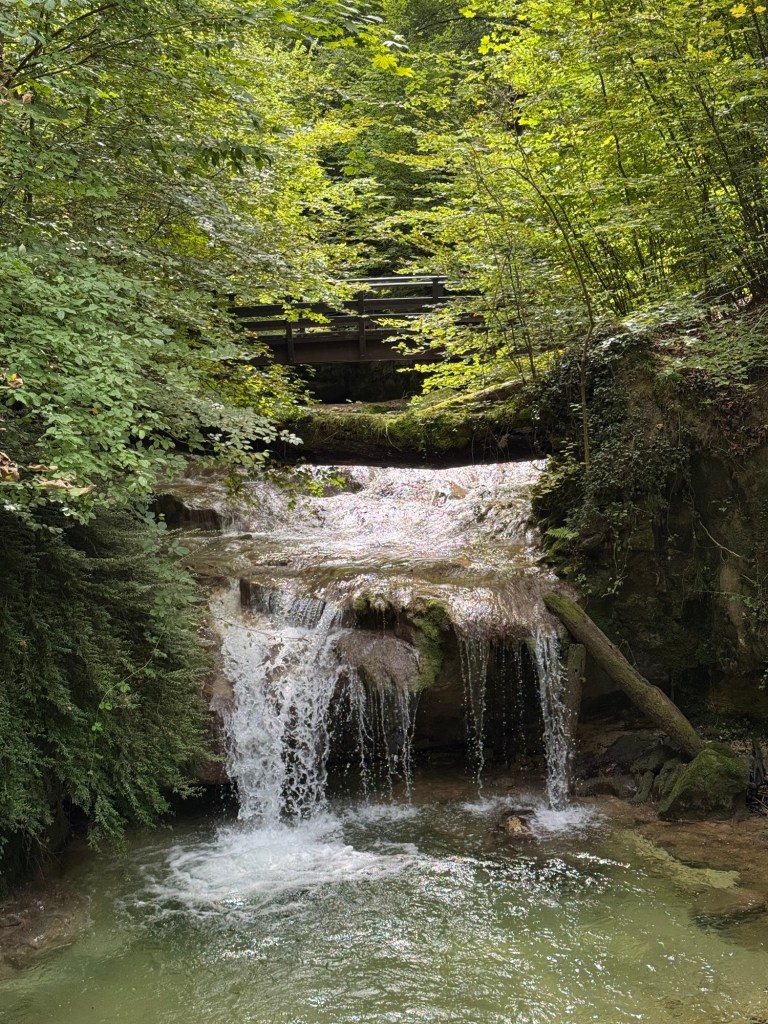

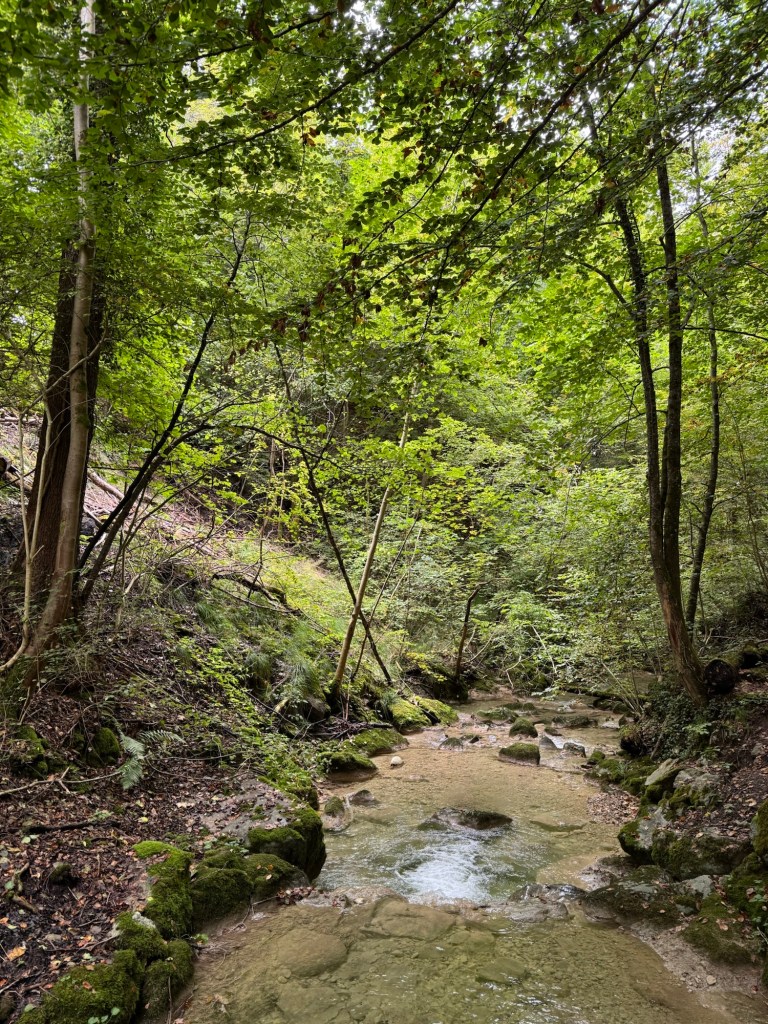
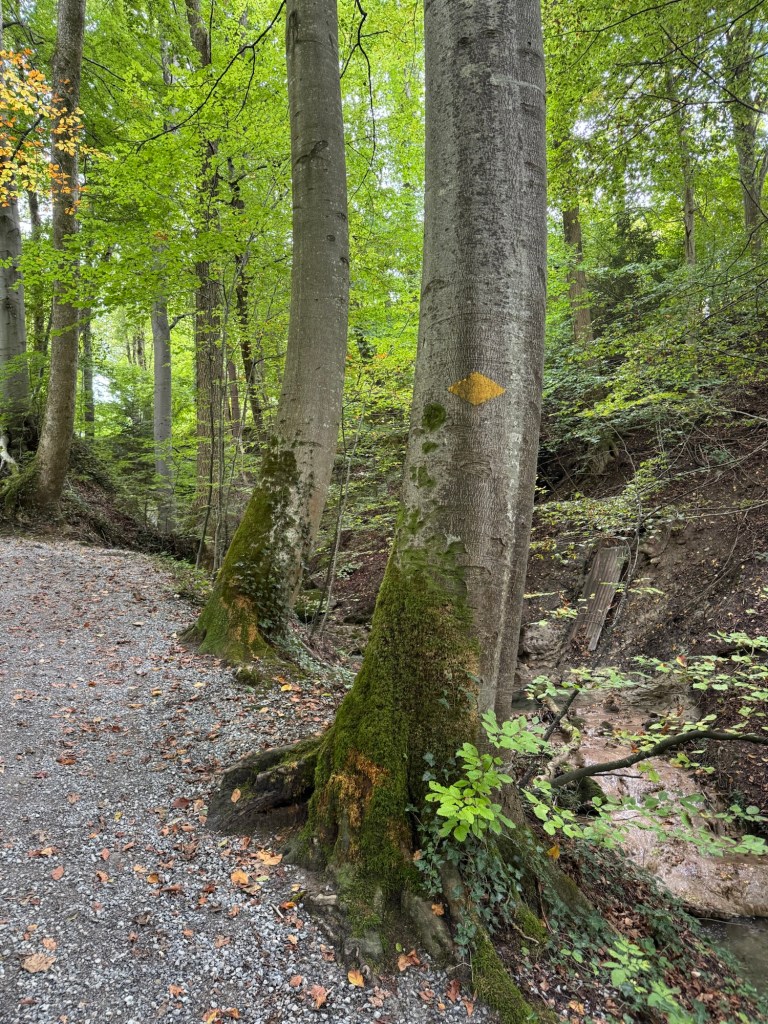


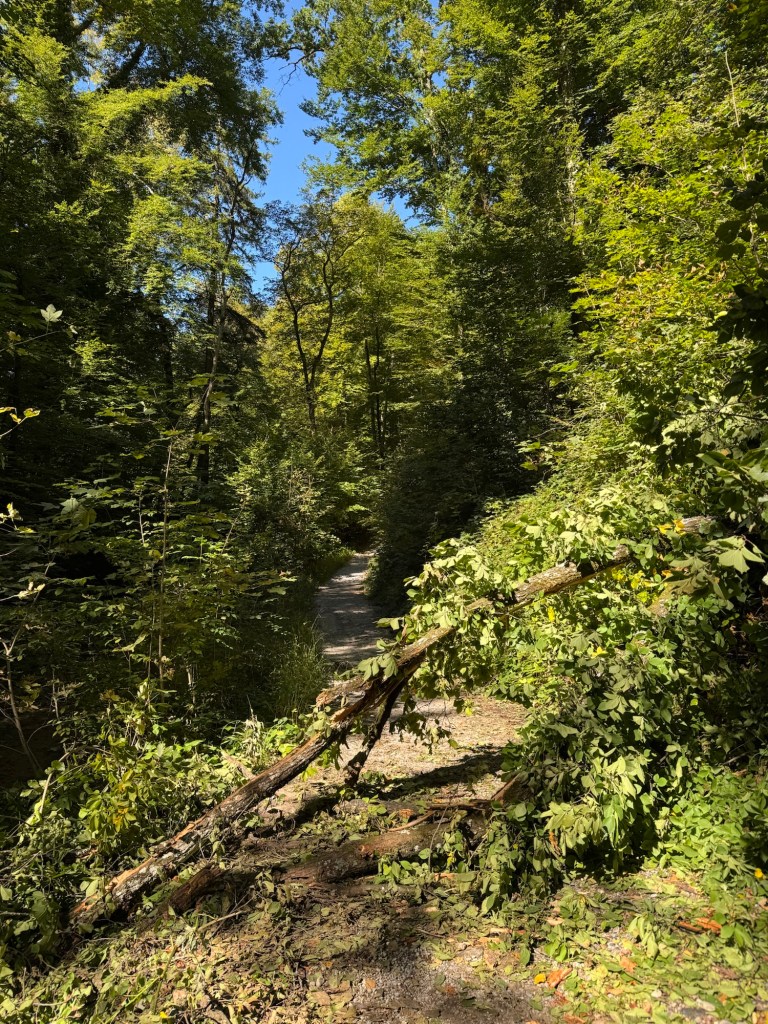

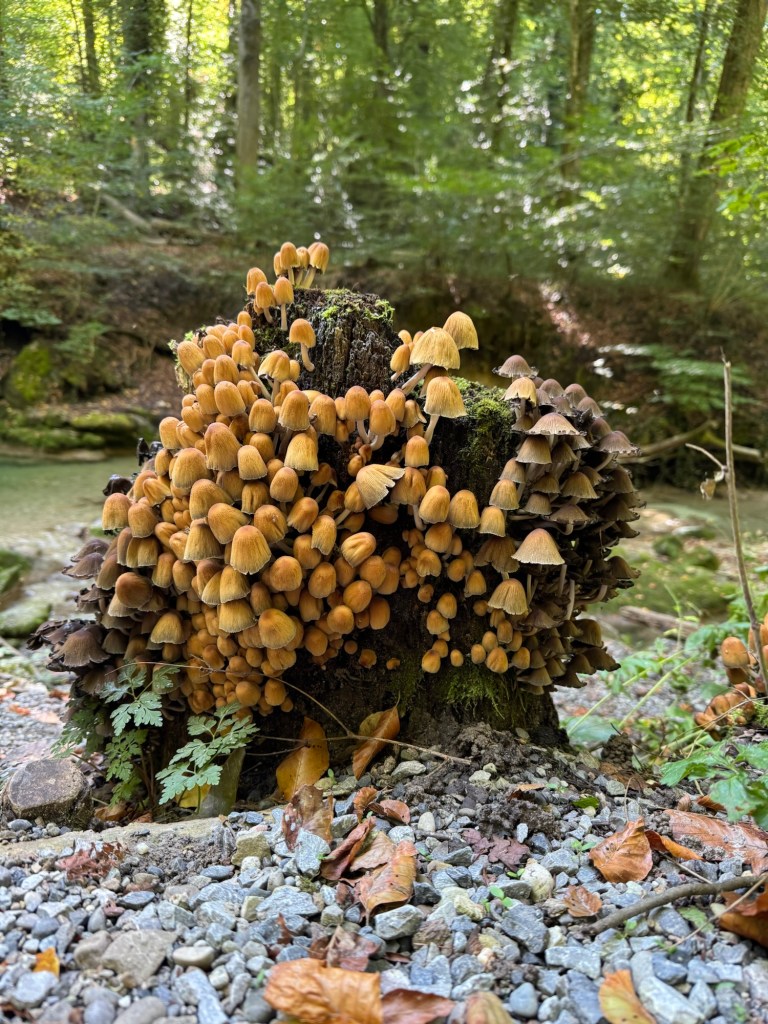
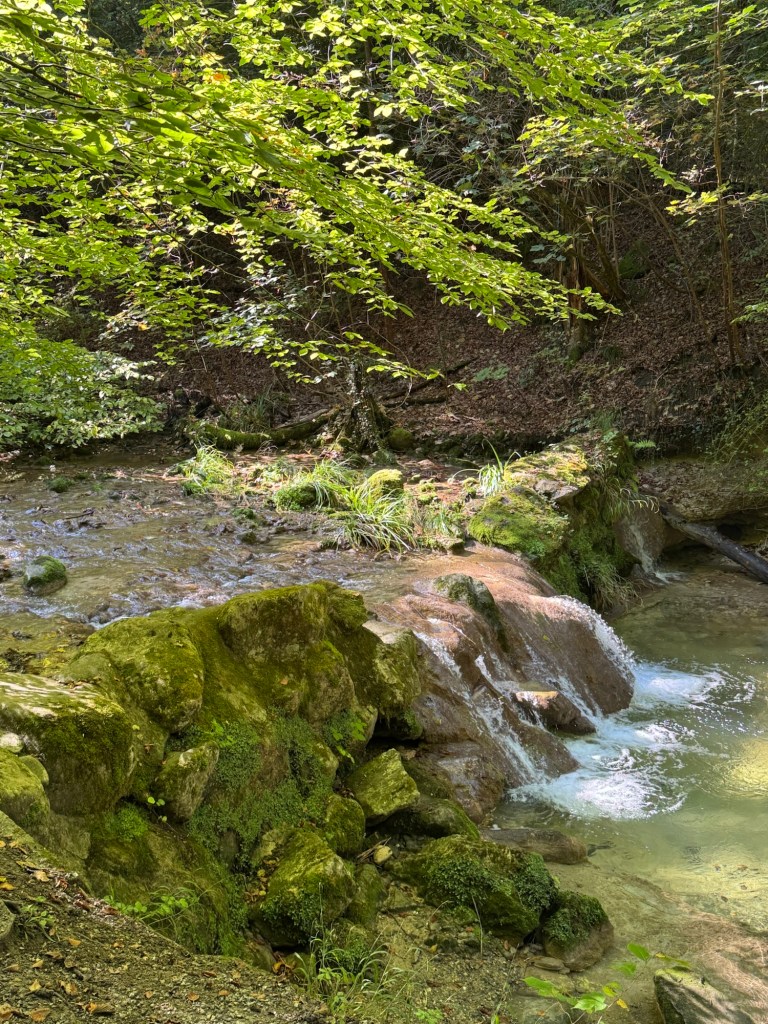
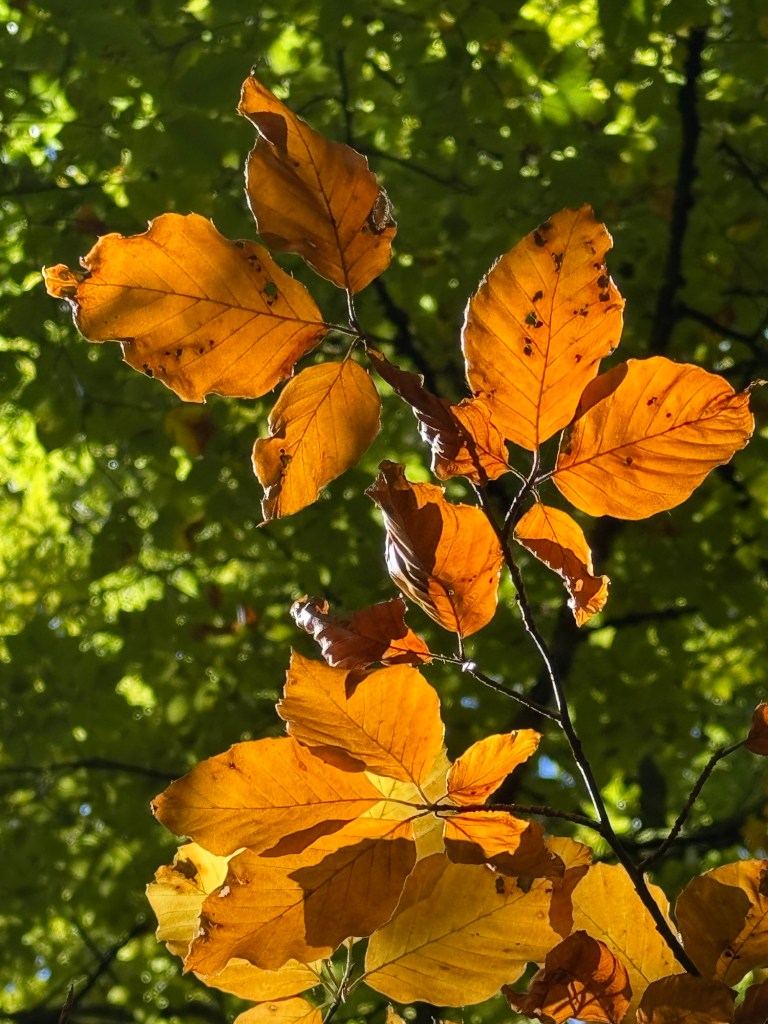
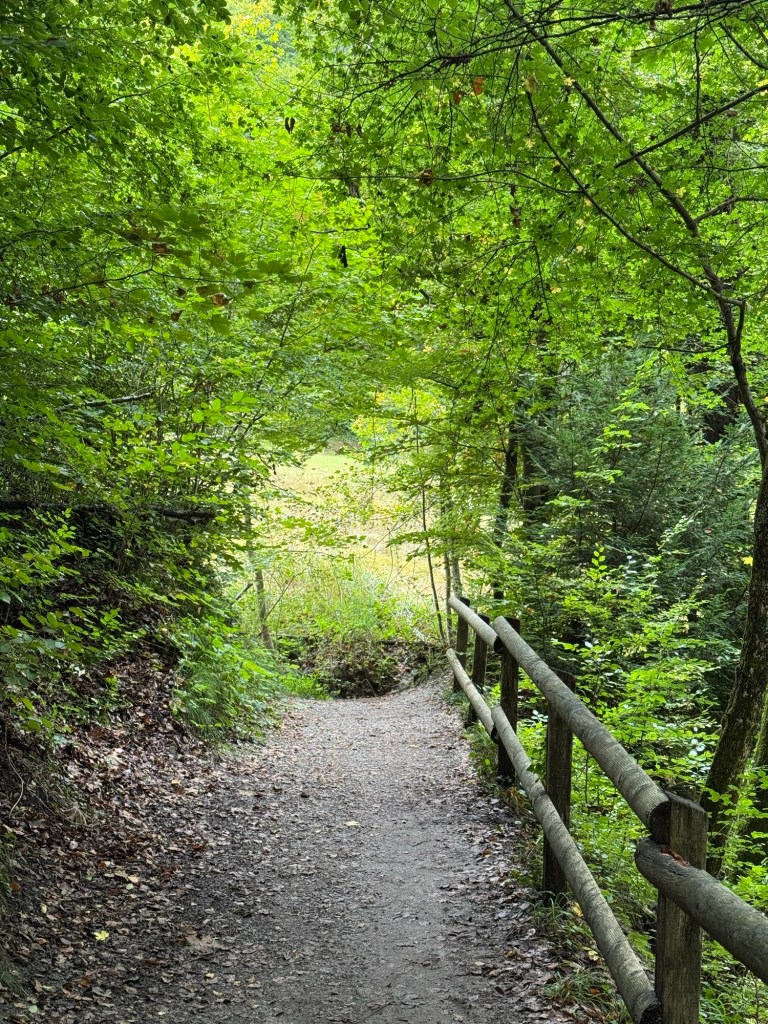
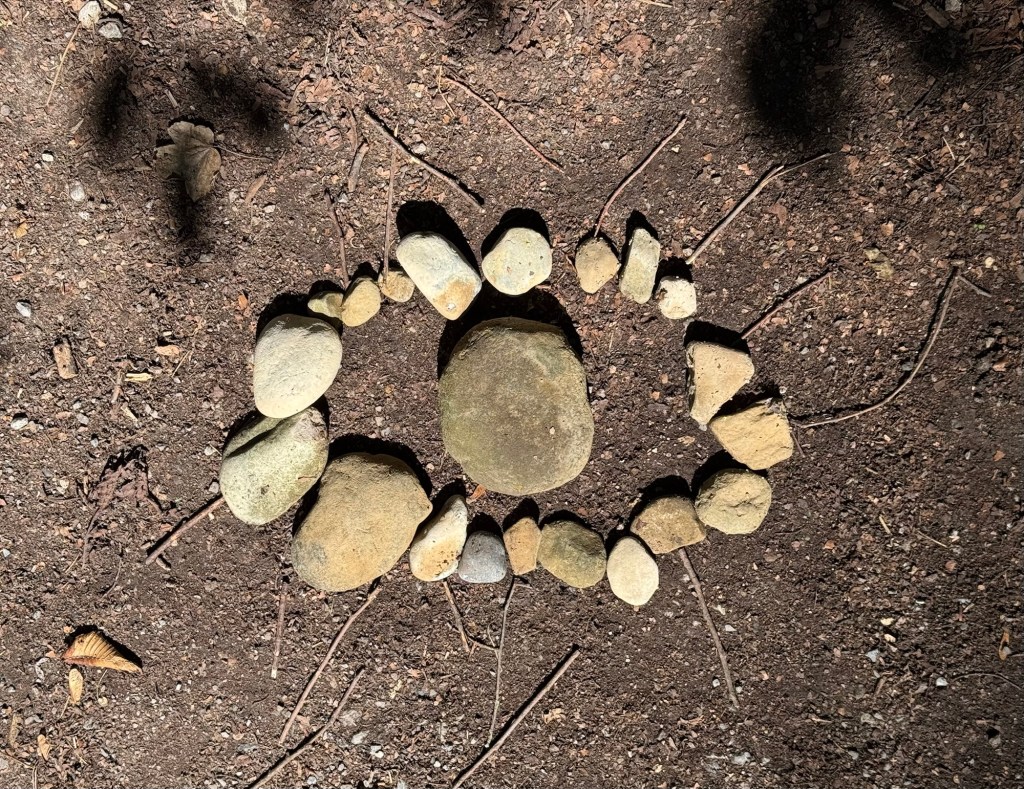

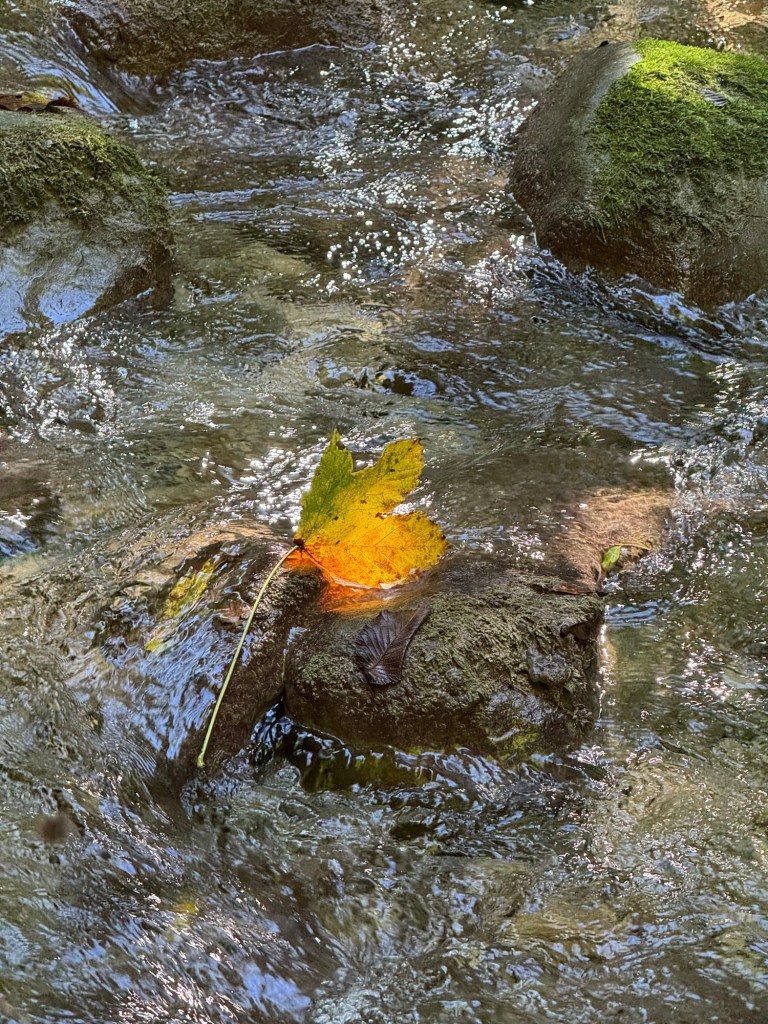
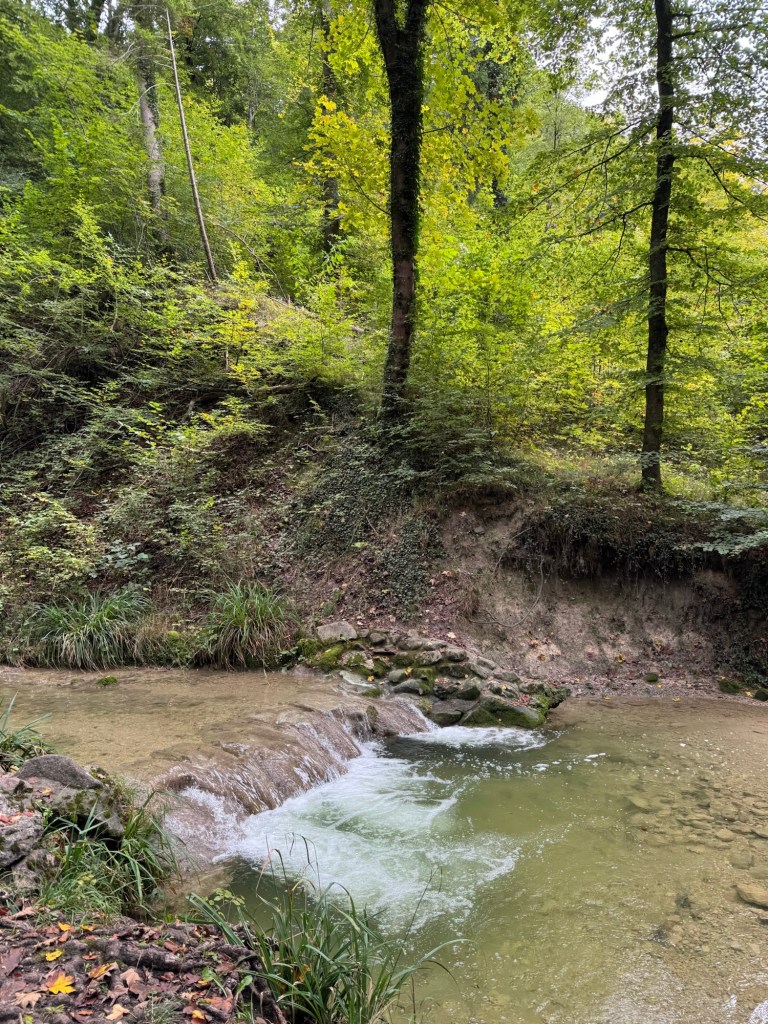
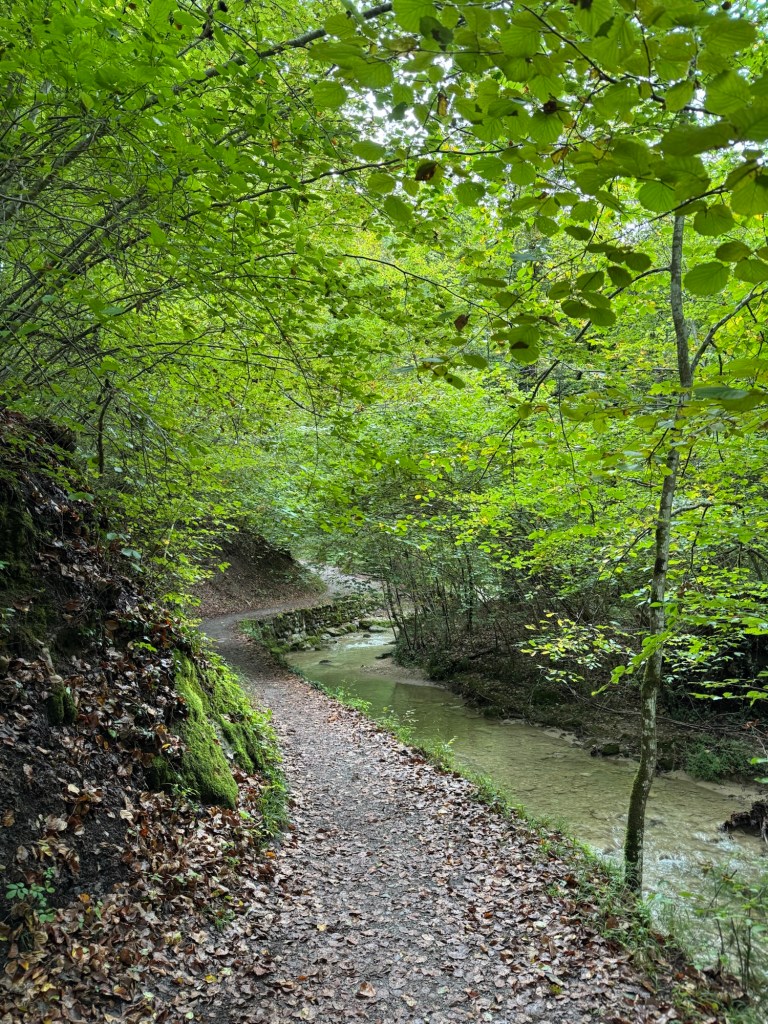
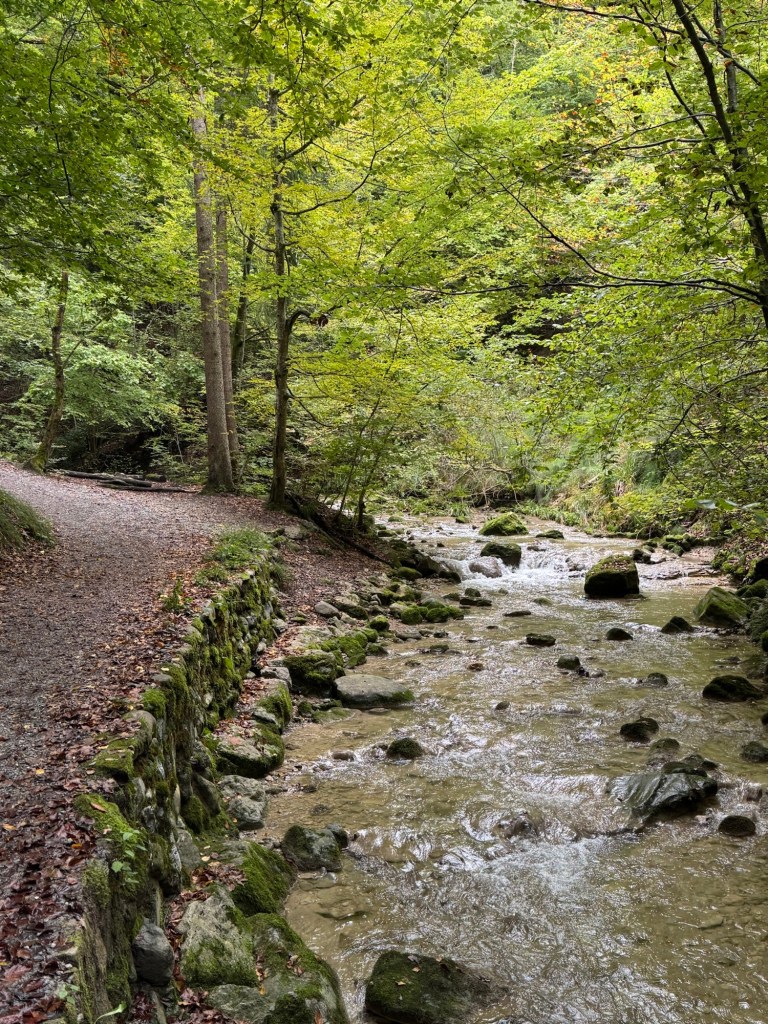
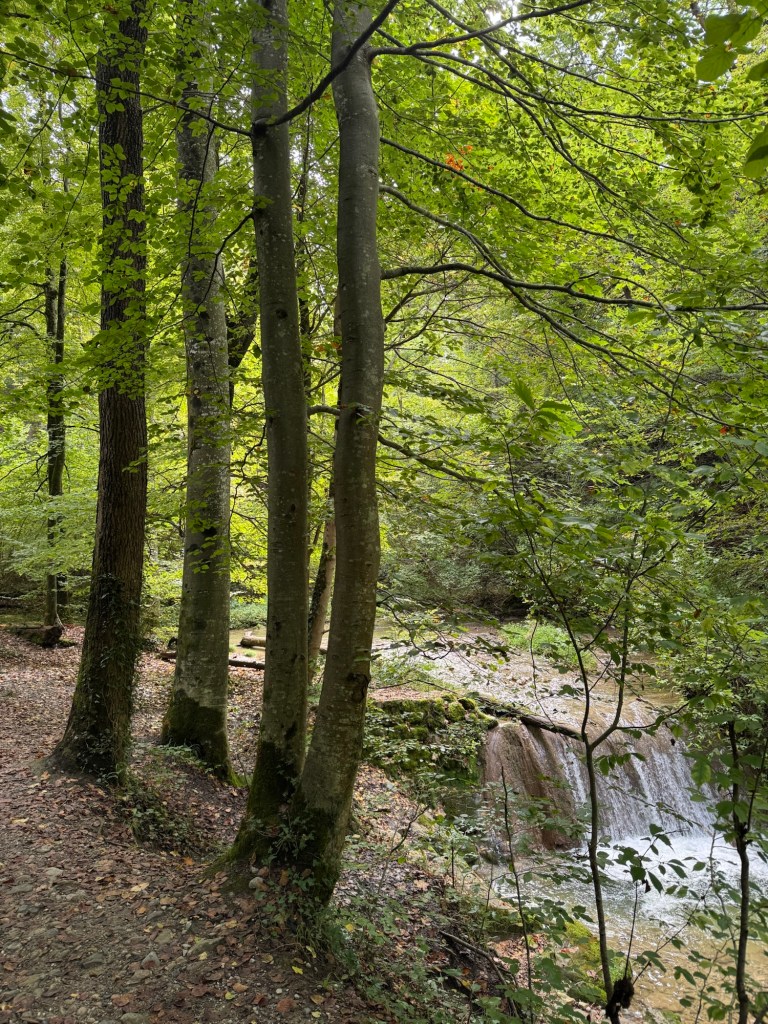






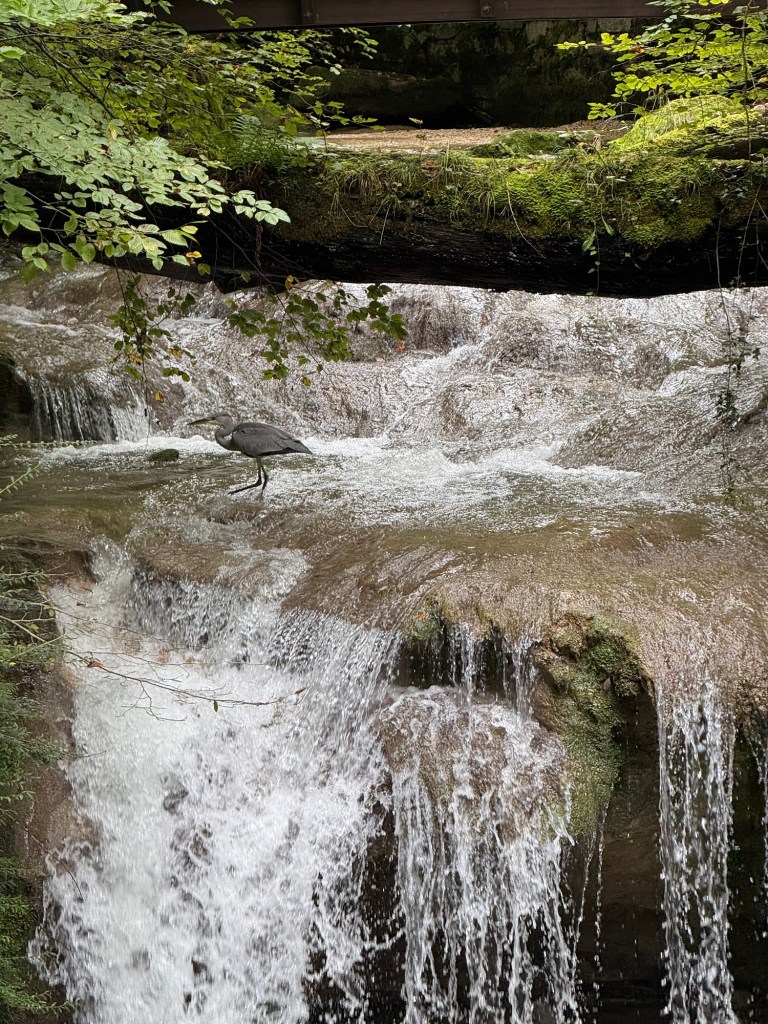
Сентябрь — без пяти минут любимая пора.
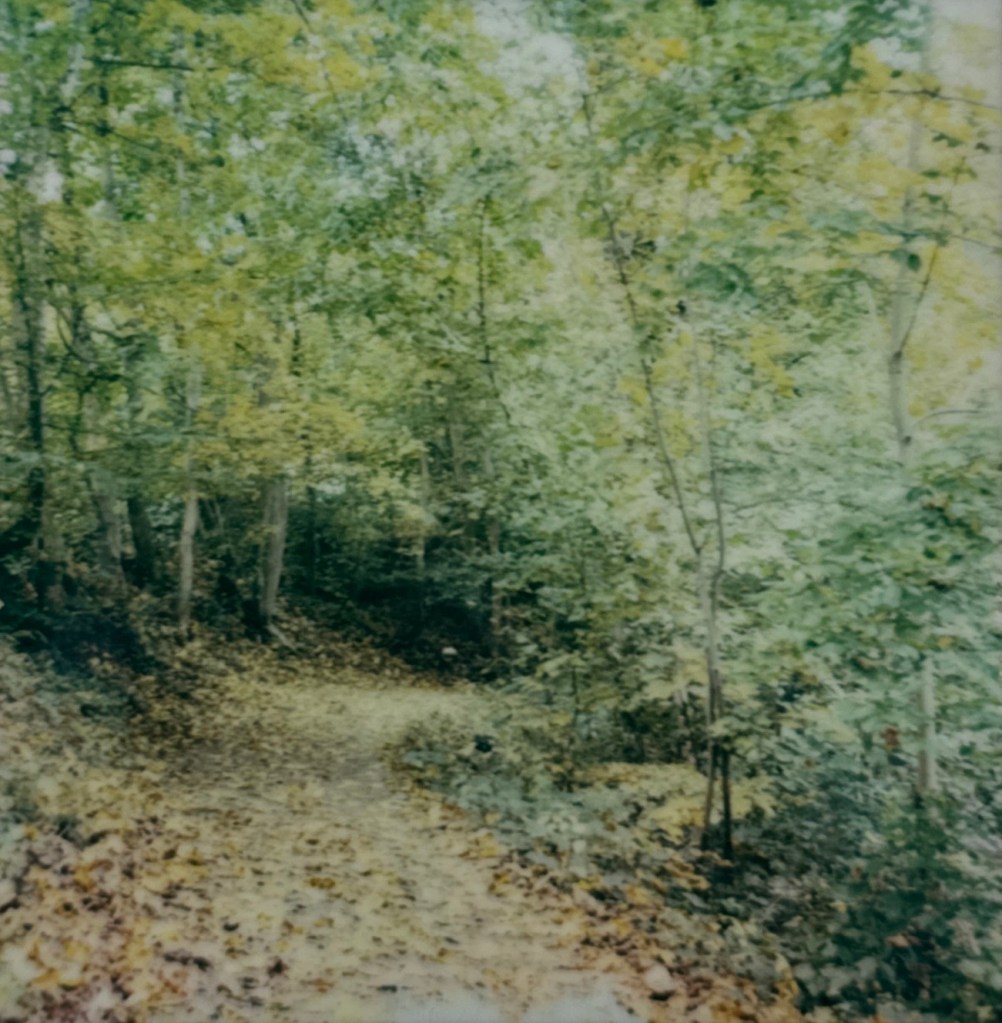
Мой Полароид наконец-то вернулся из мастерской. Аккуратненько достала отремонтированную камеру, набила карманы новыми фильмами & рванула в лес, — совершенно забыв про штатив.


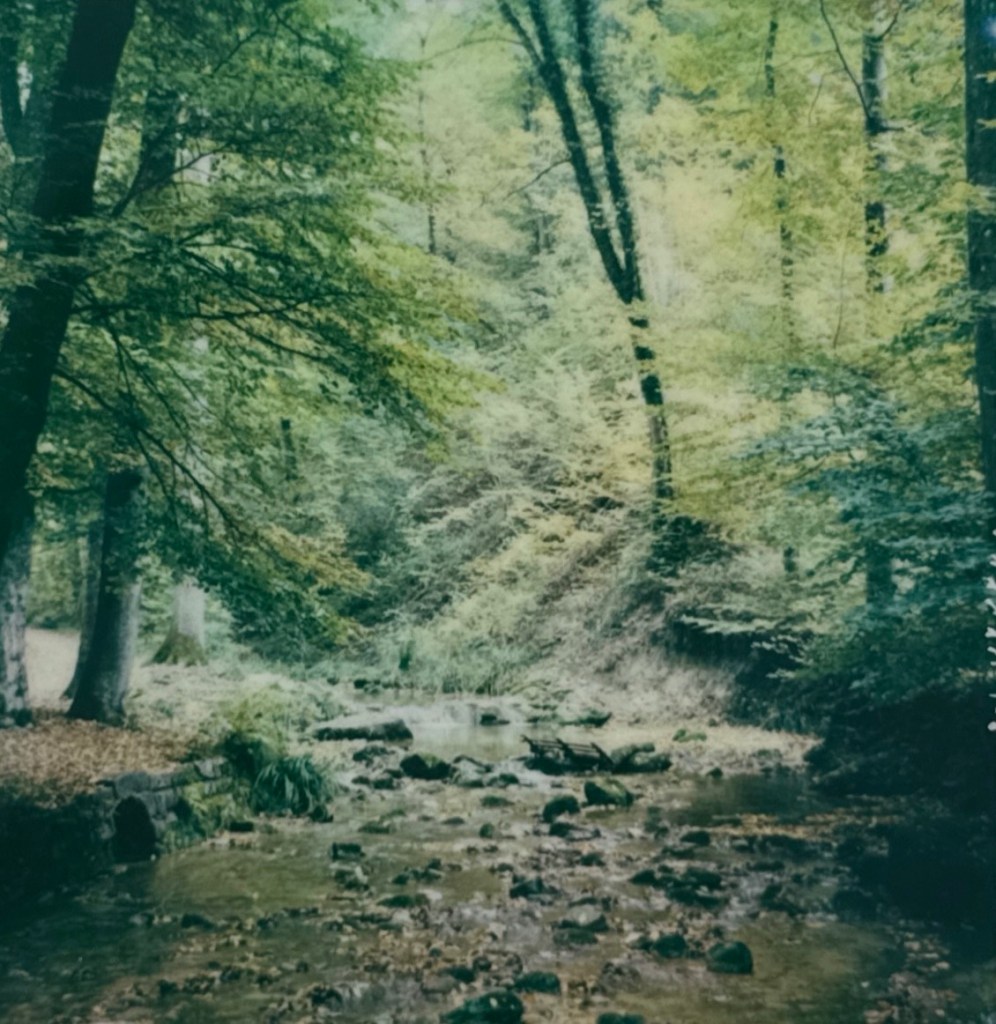
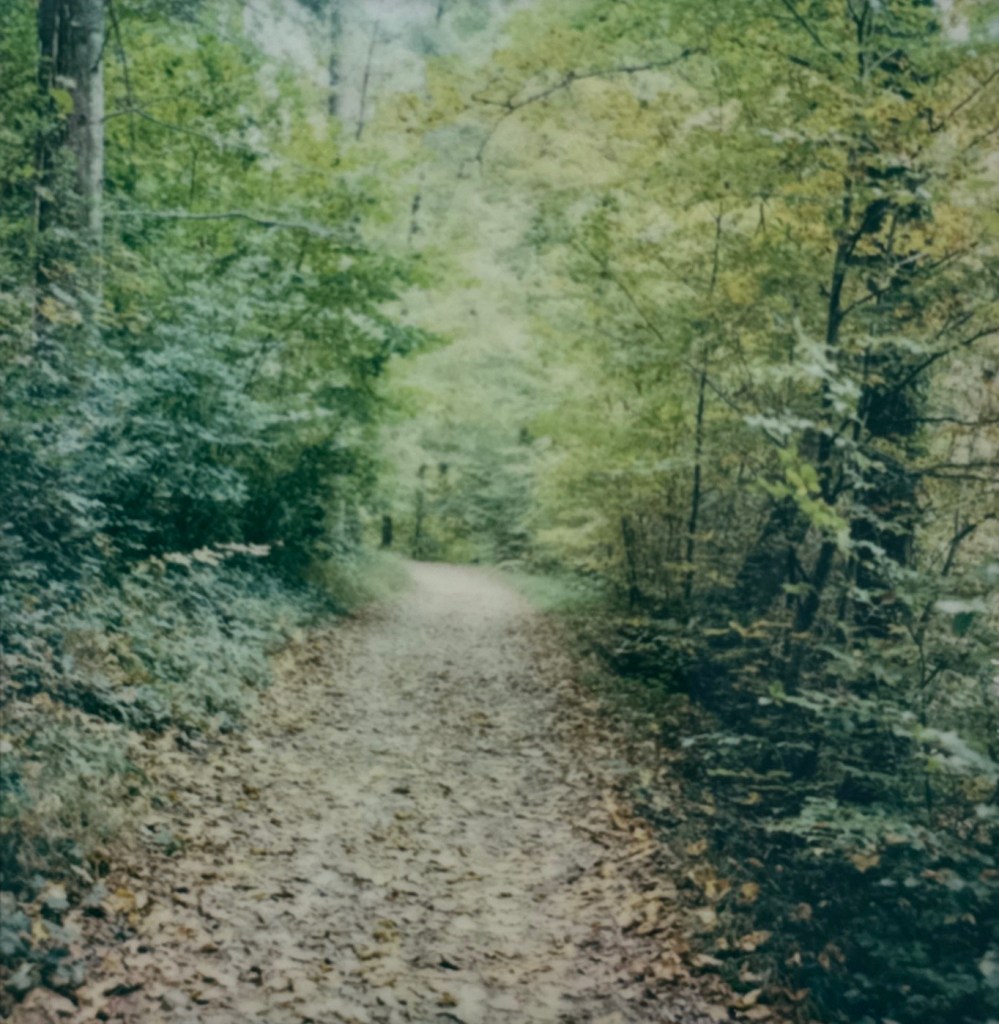
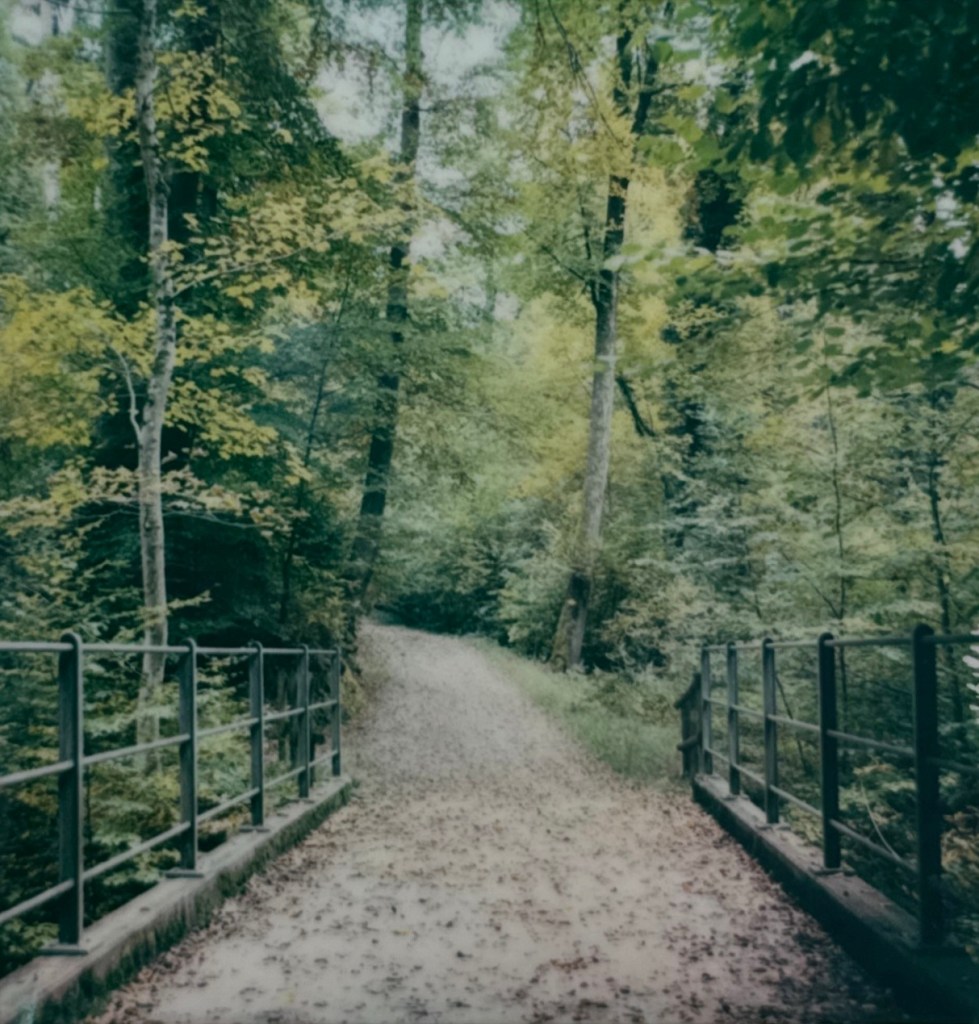


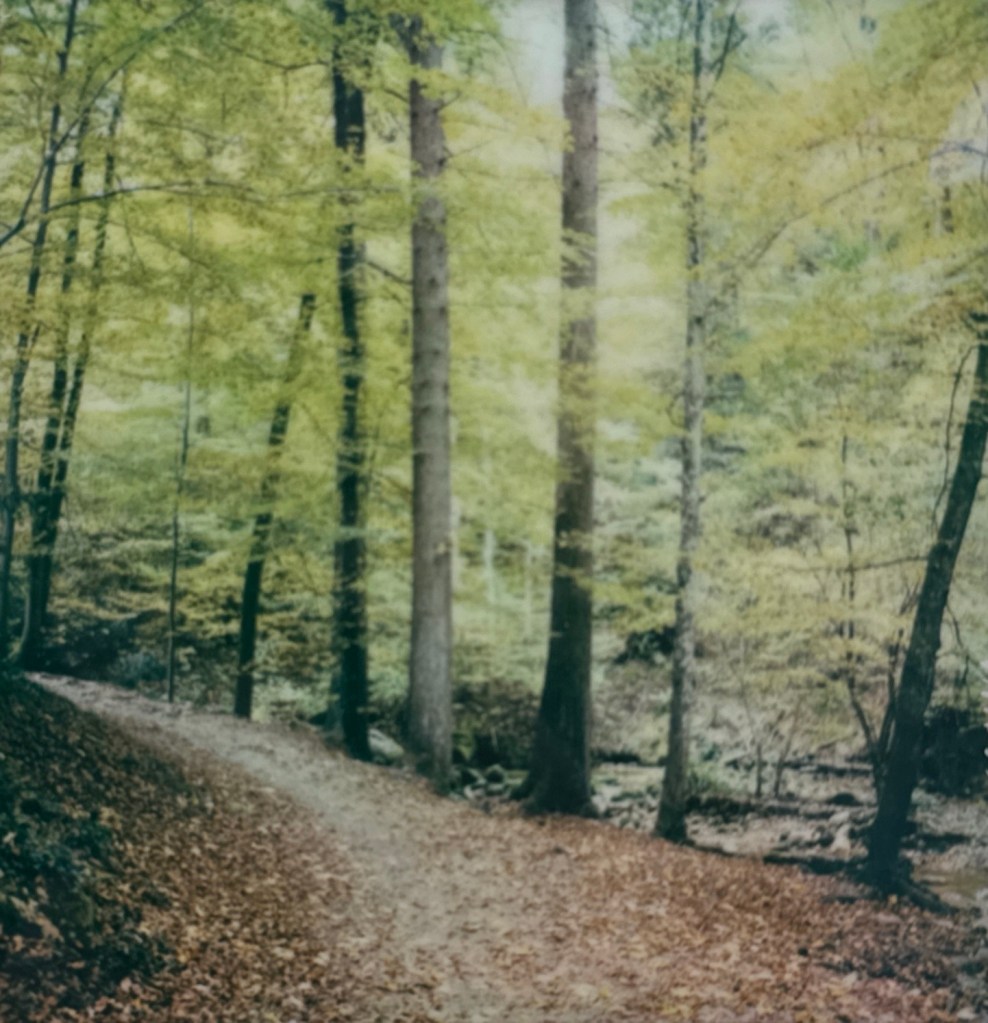

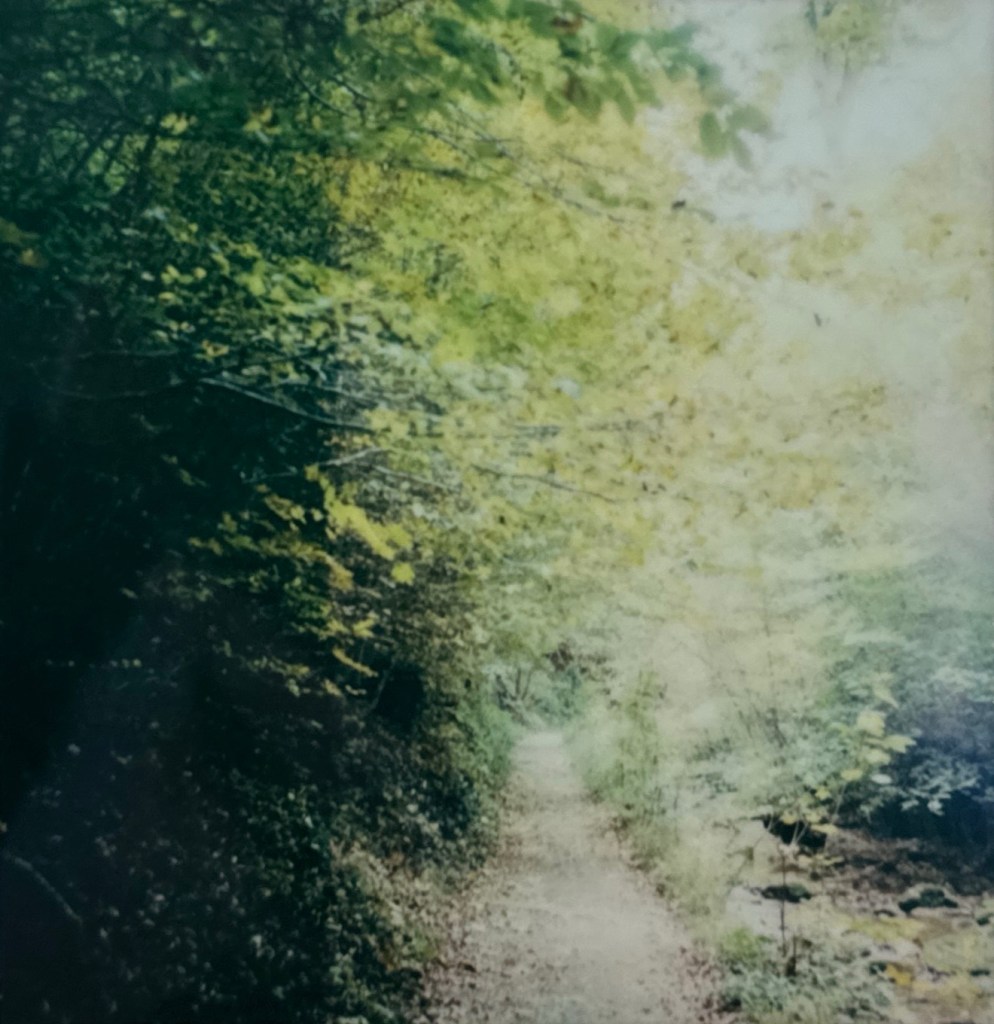
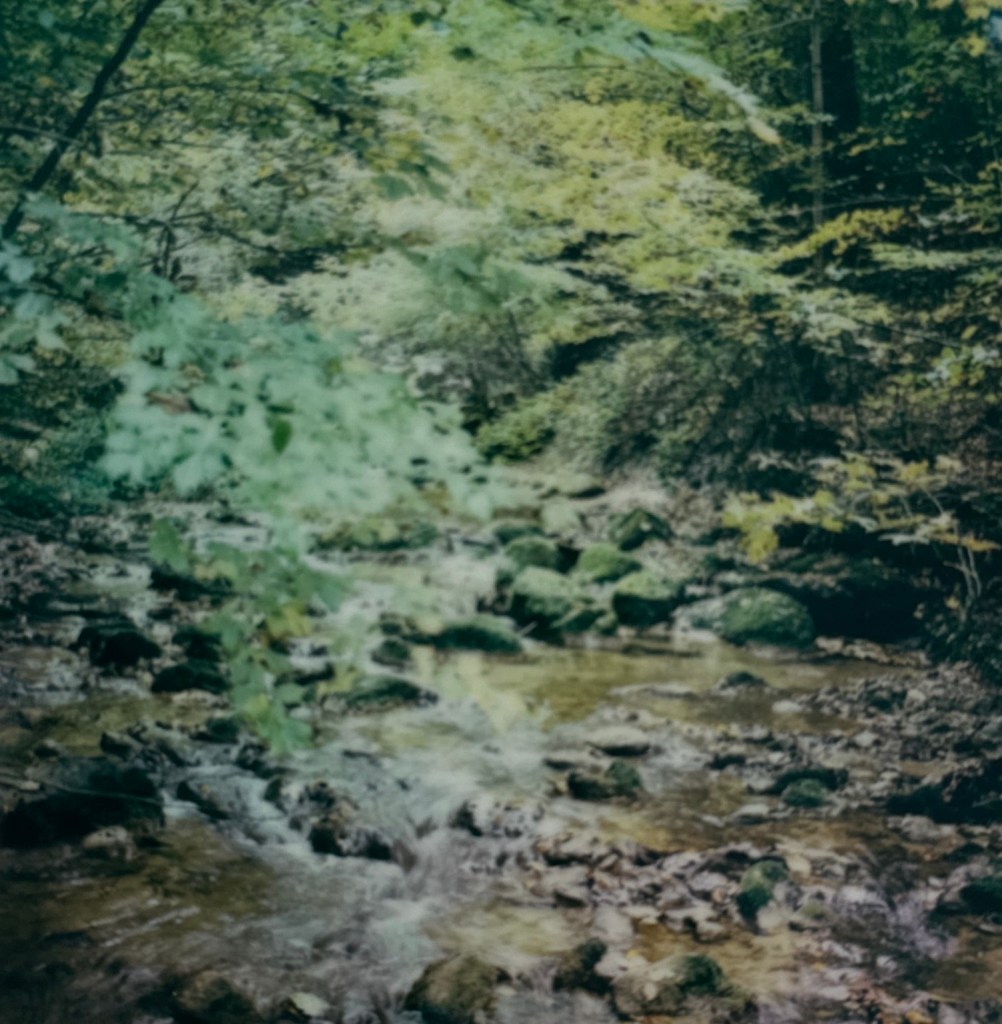


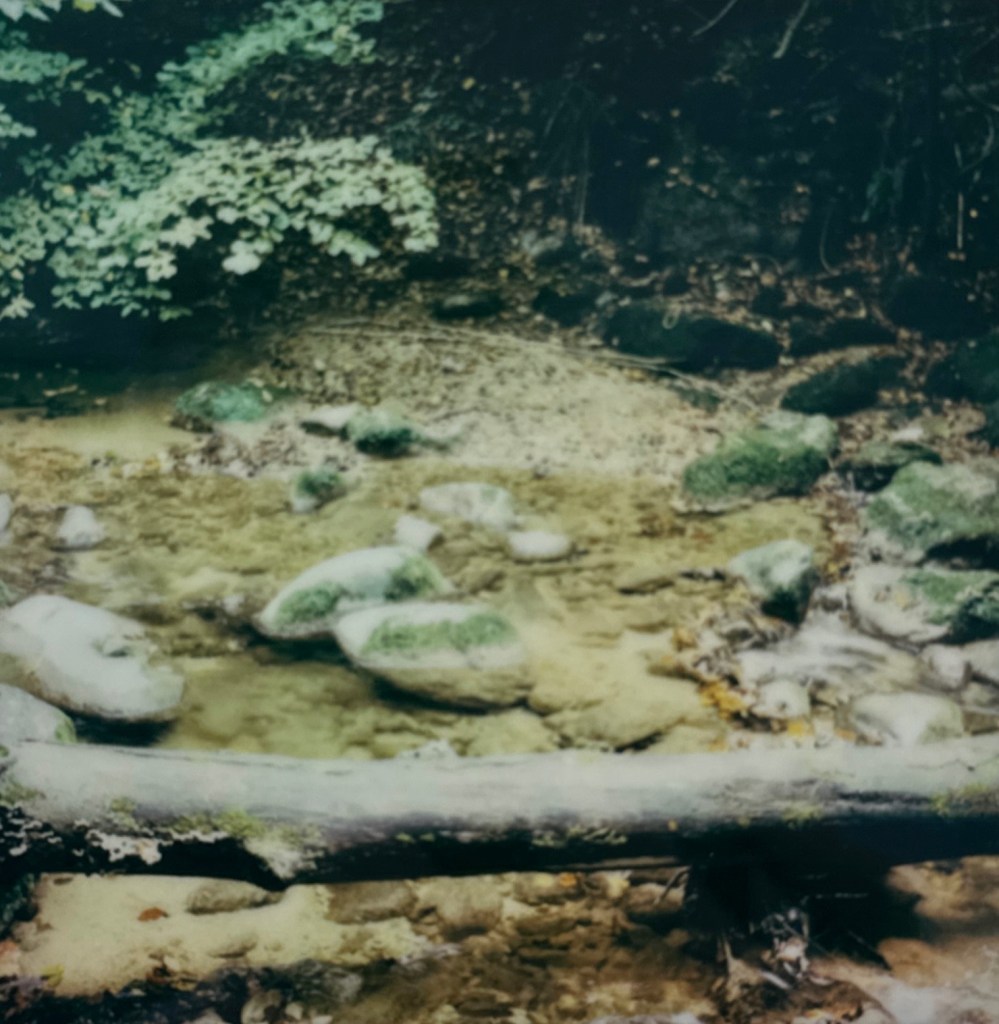
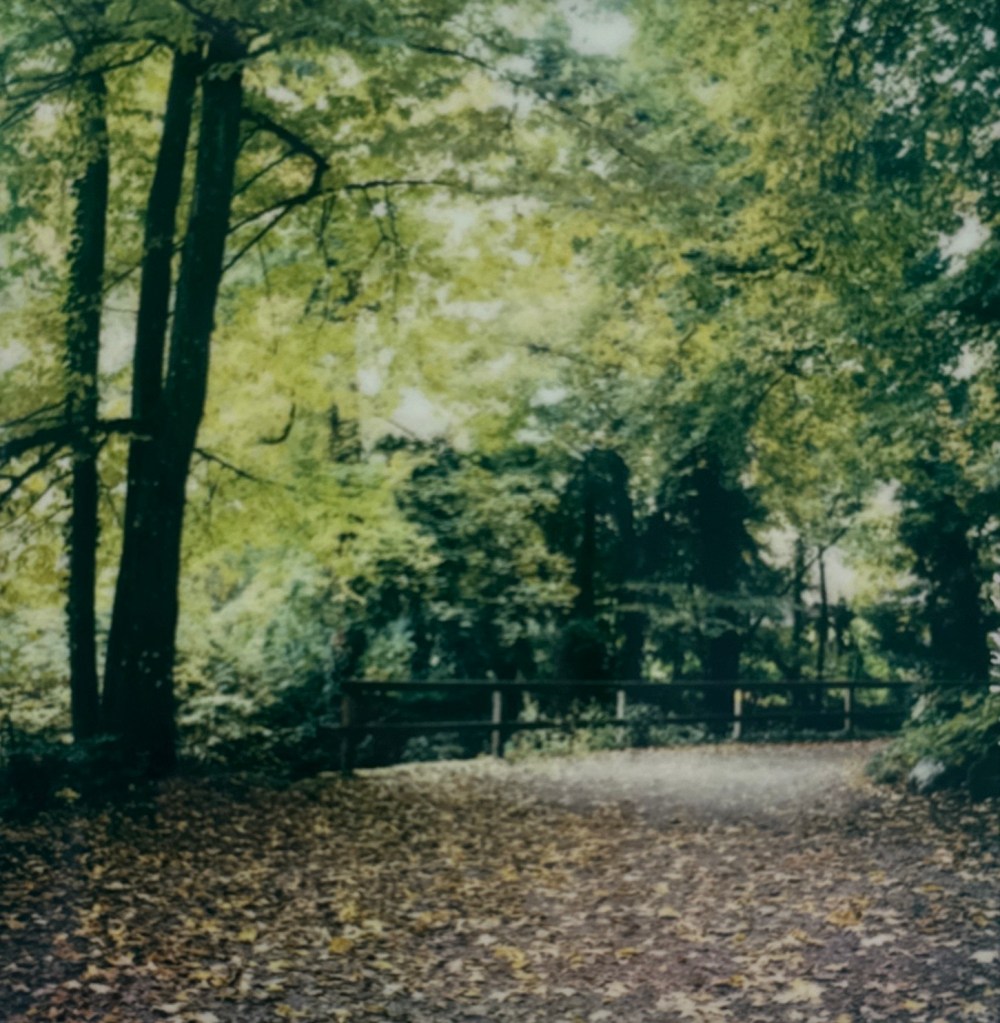


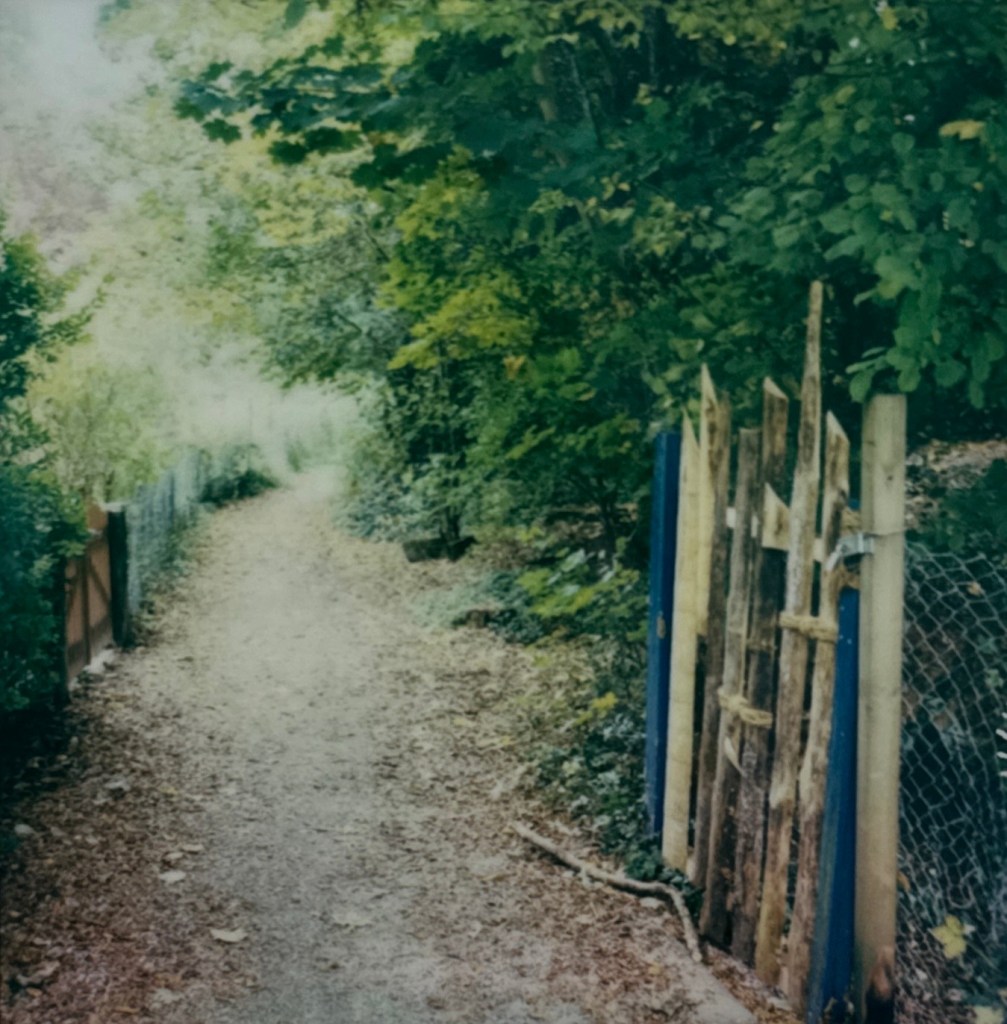

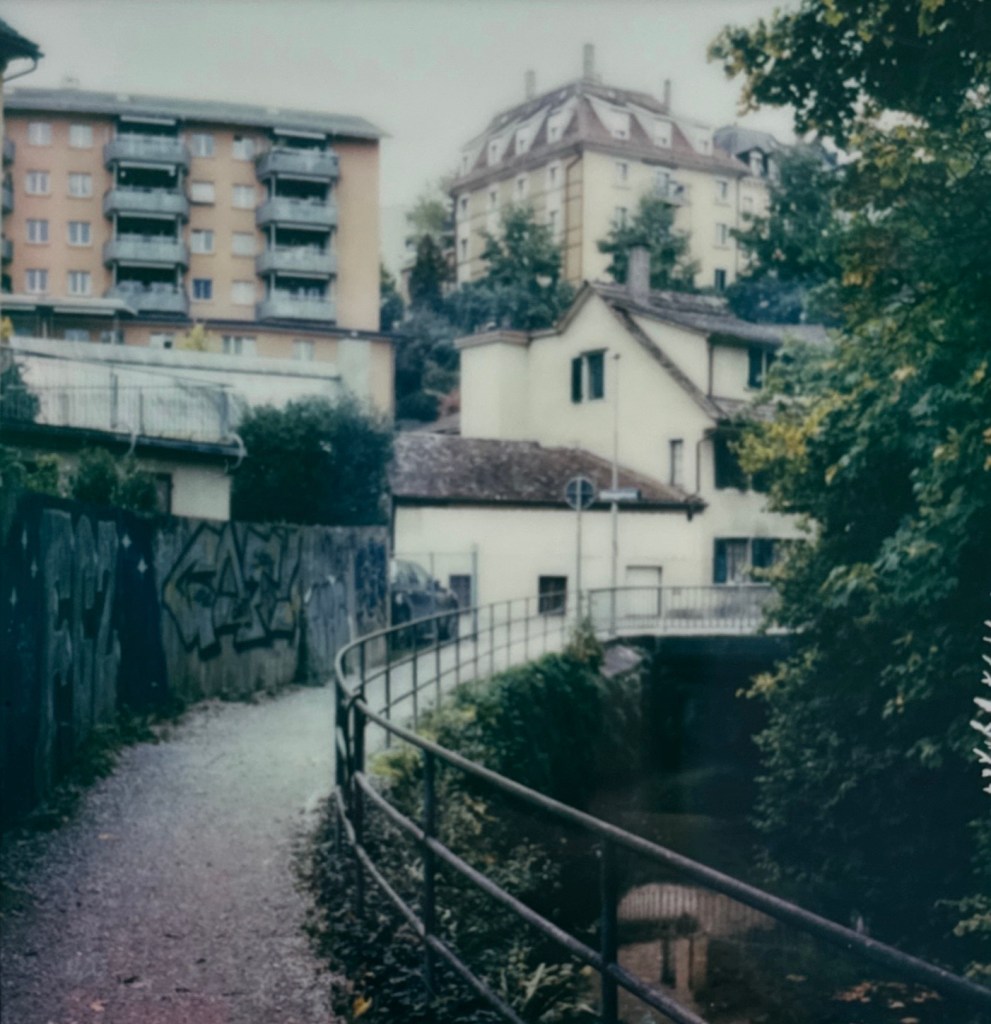


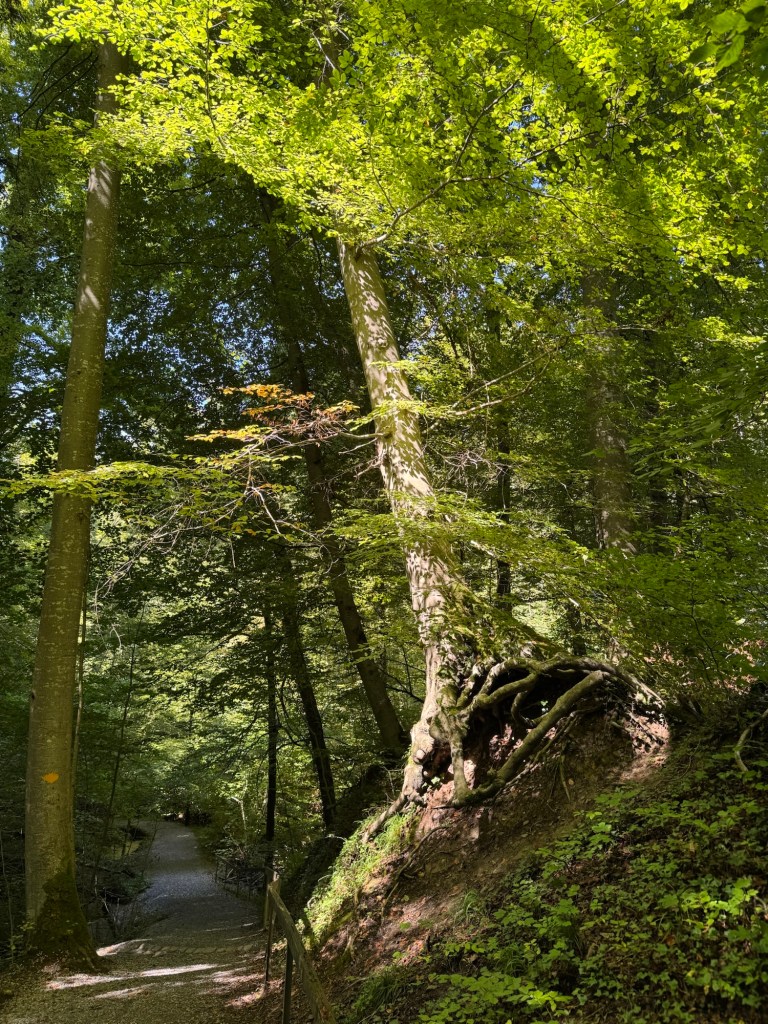
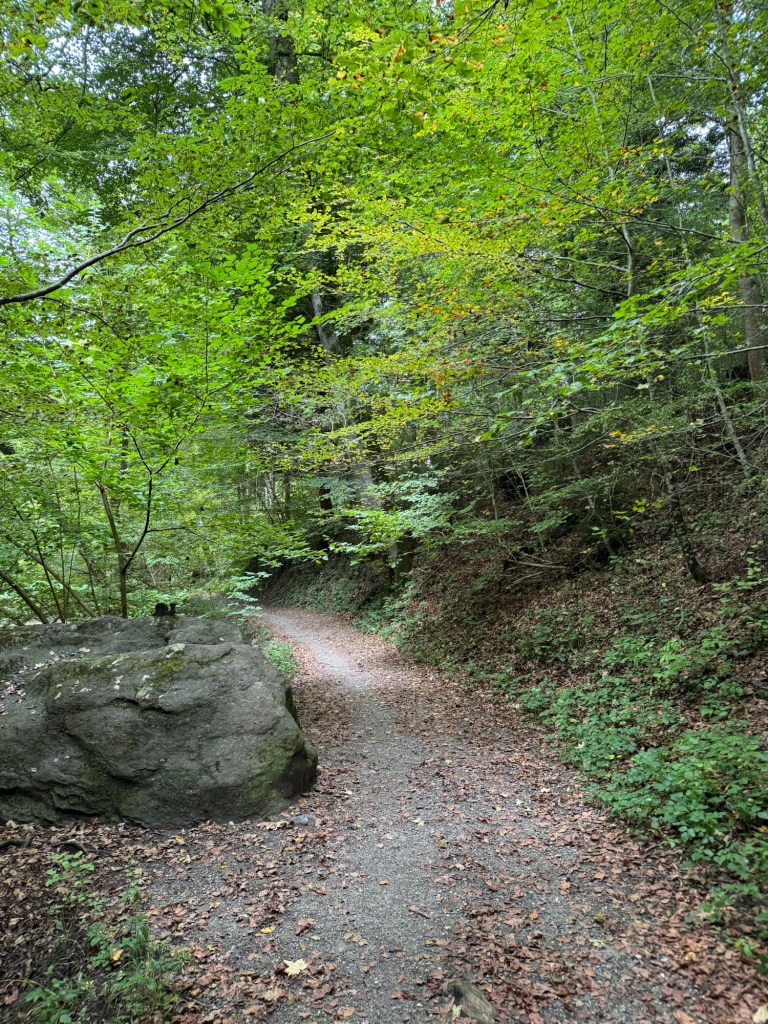
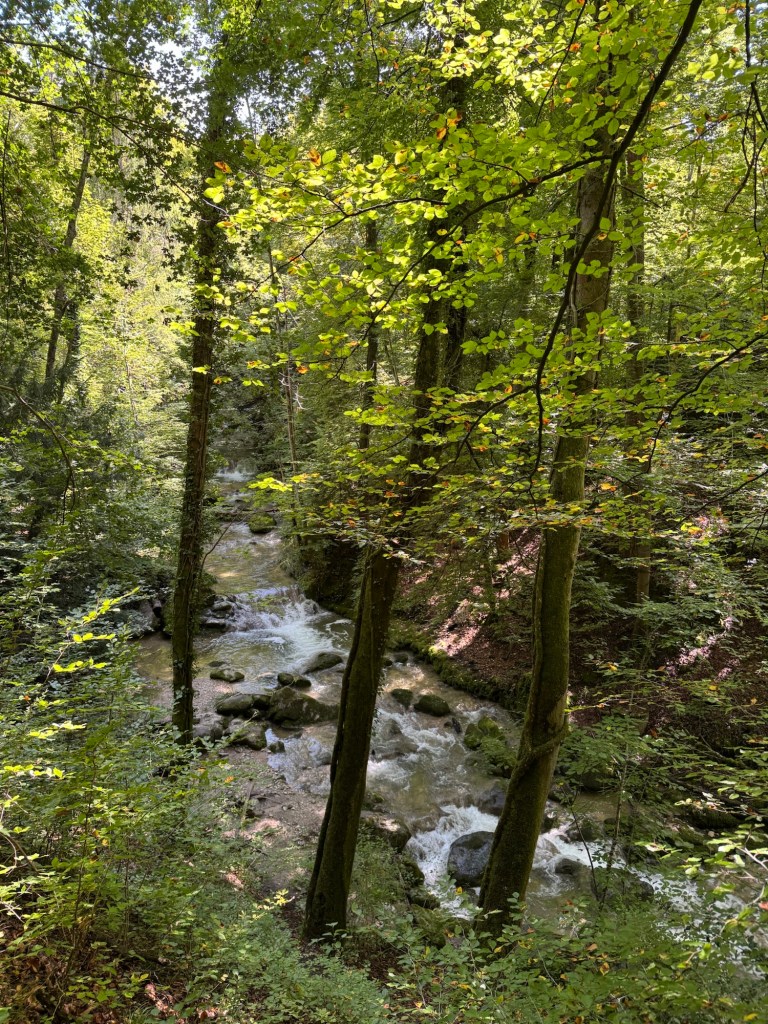
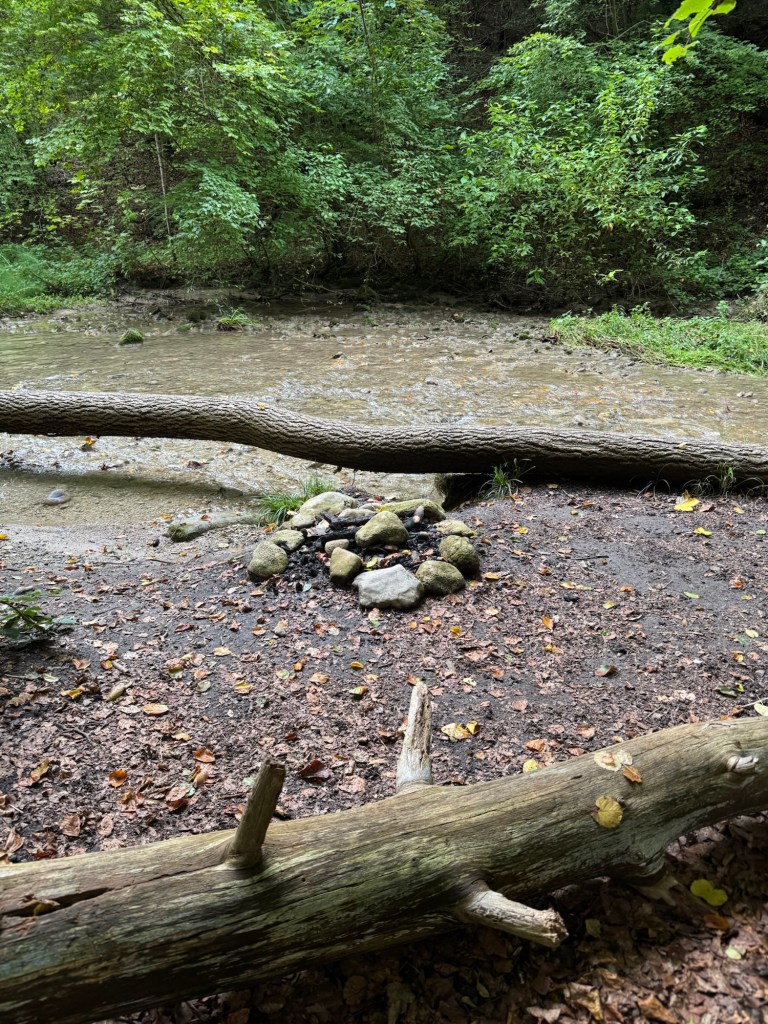
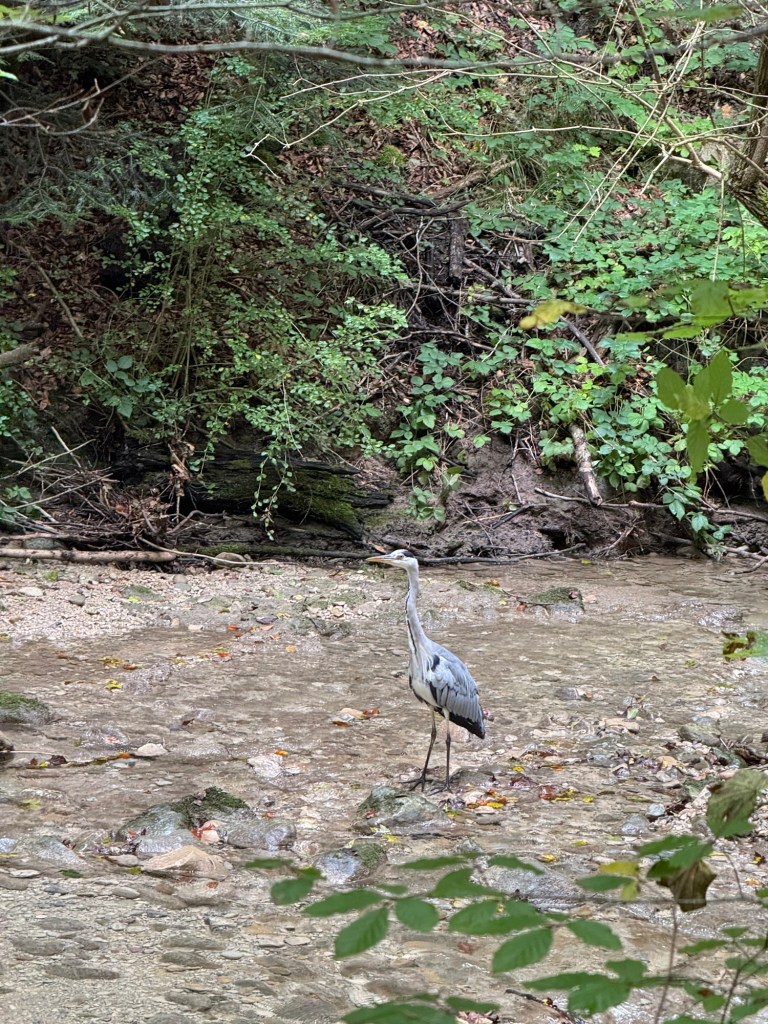
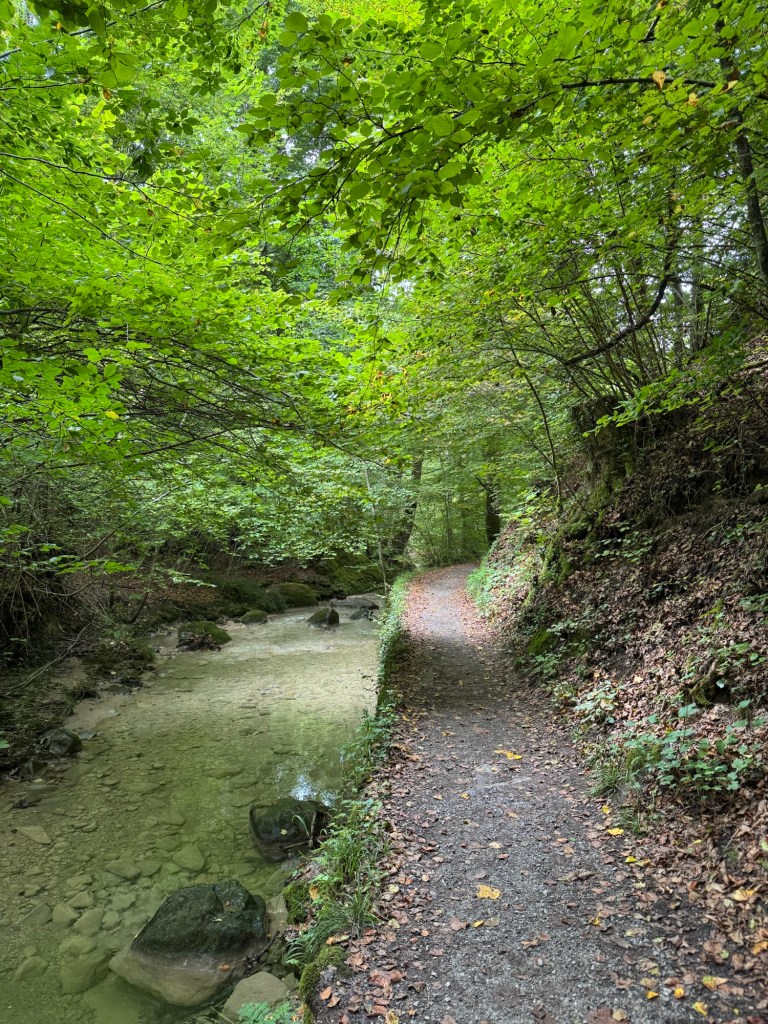
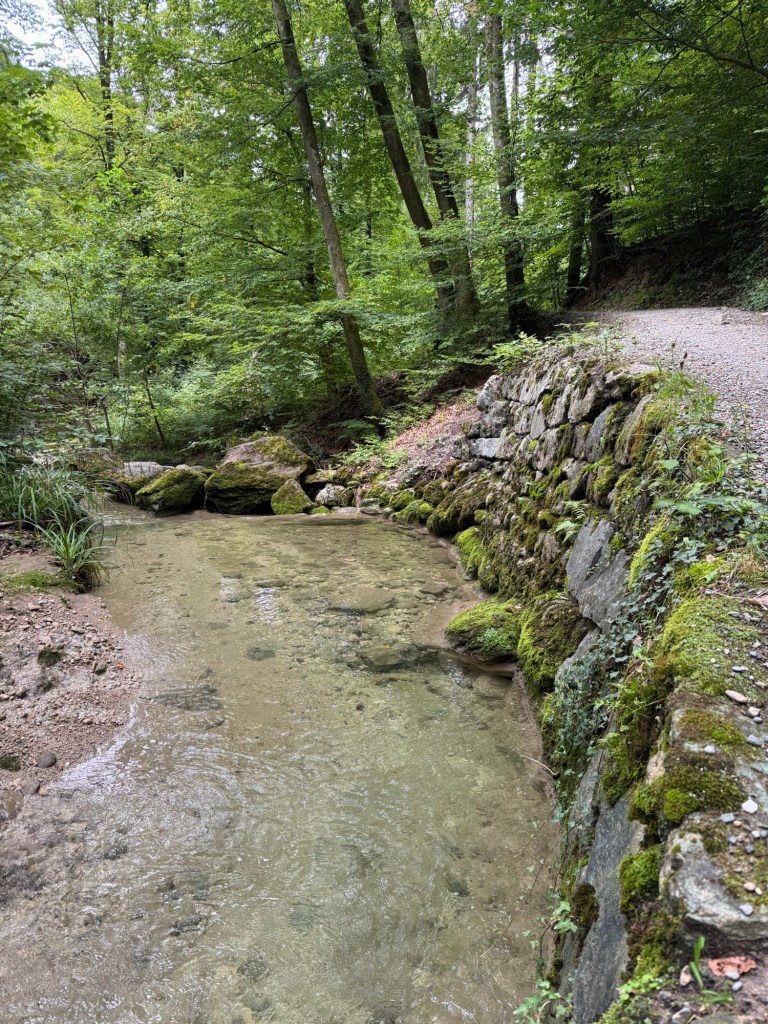
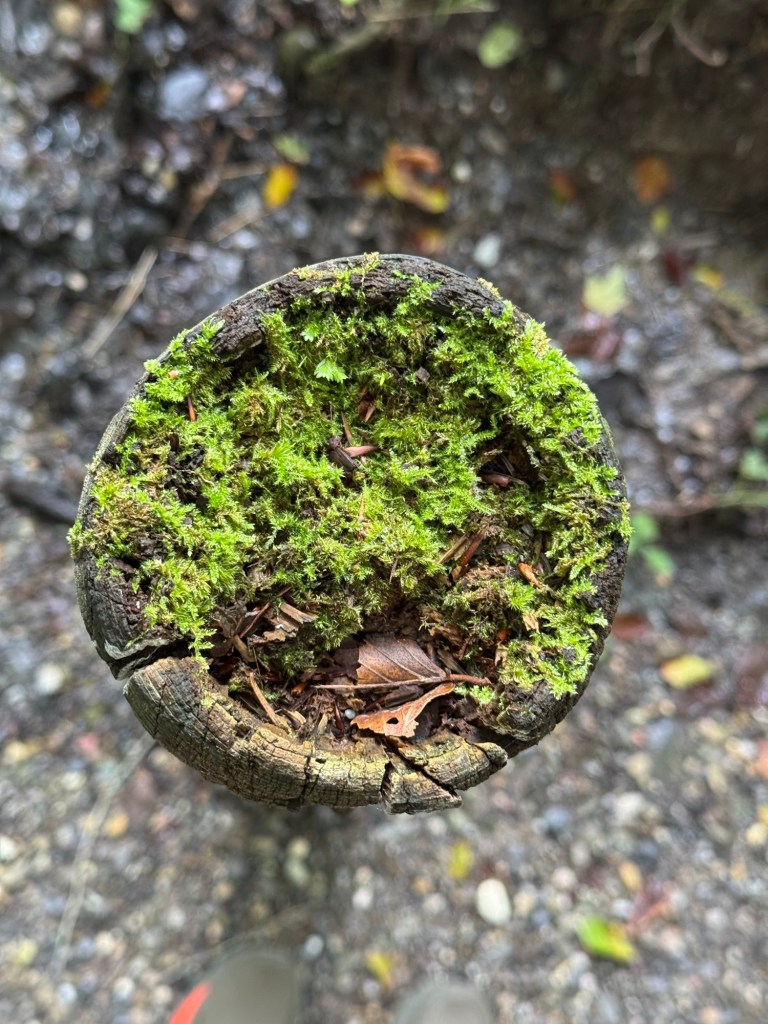
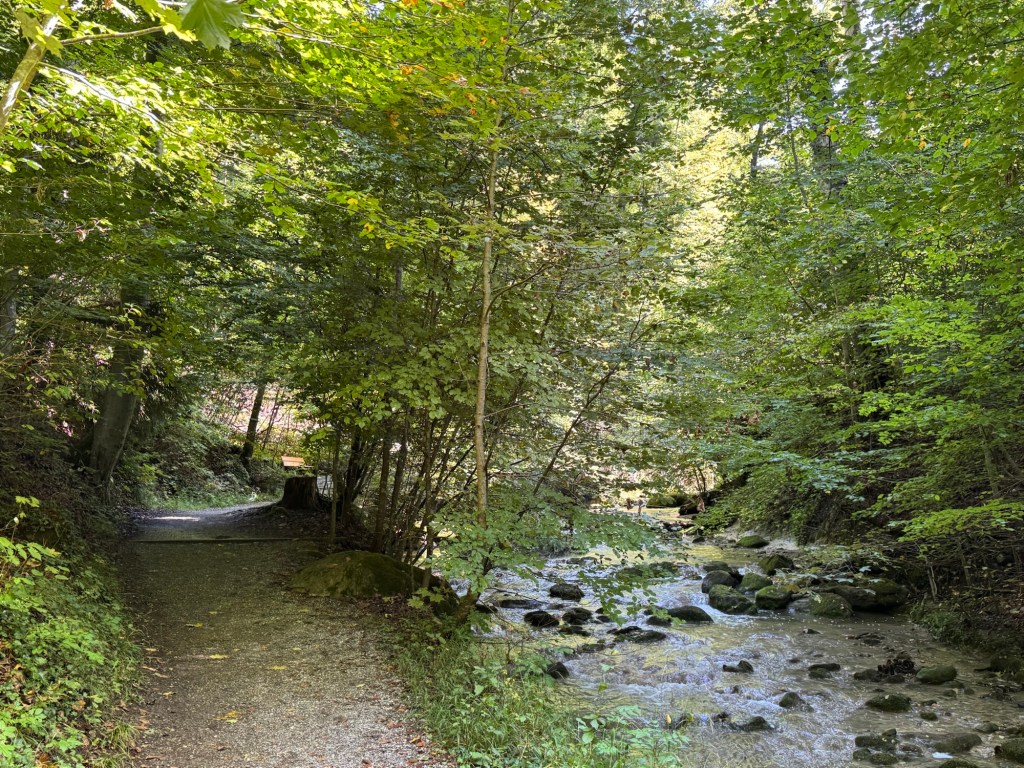
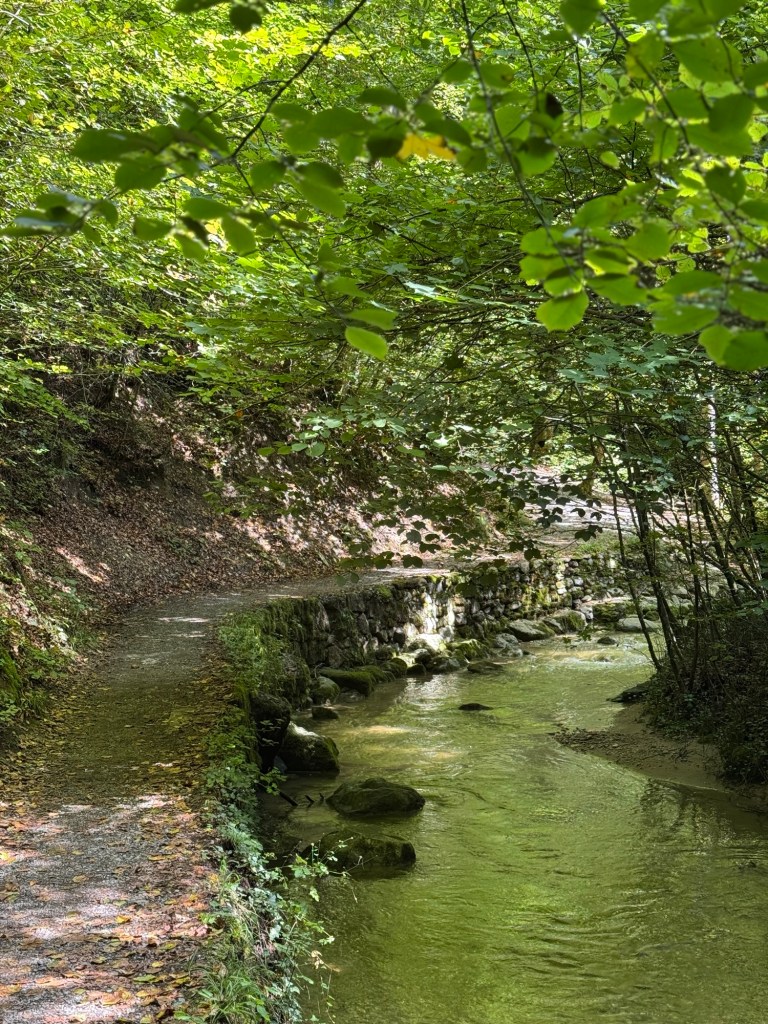
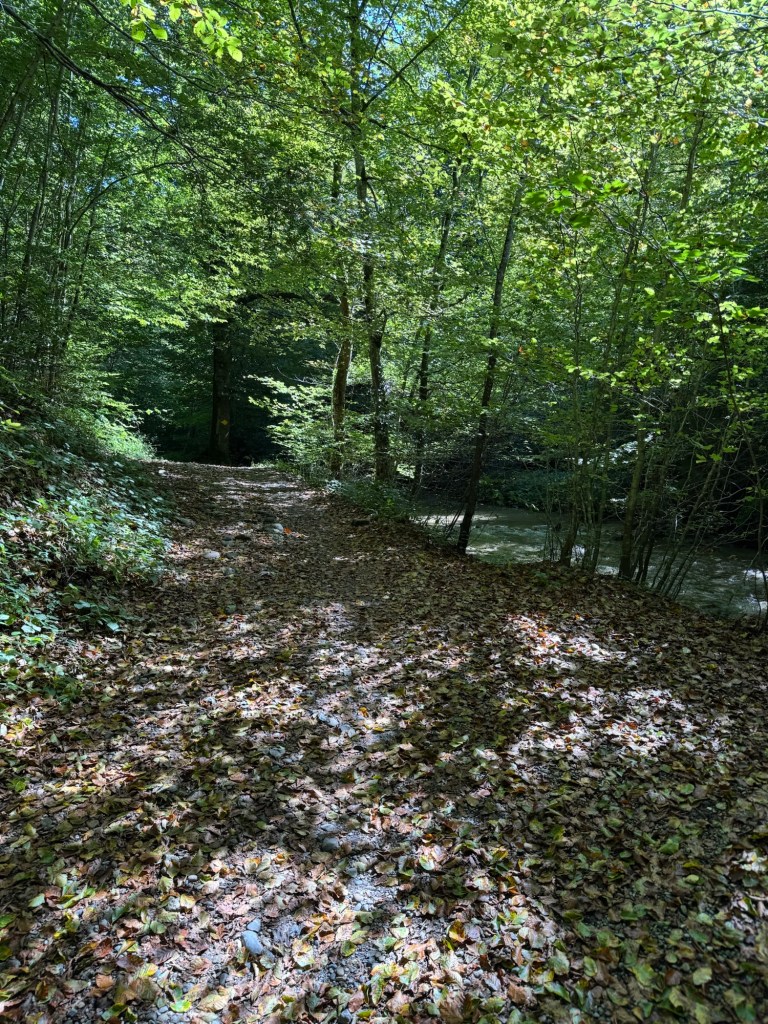
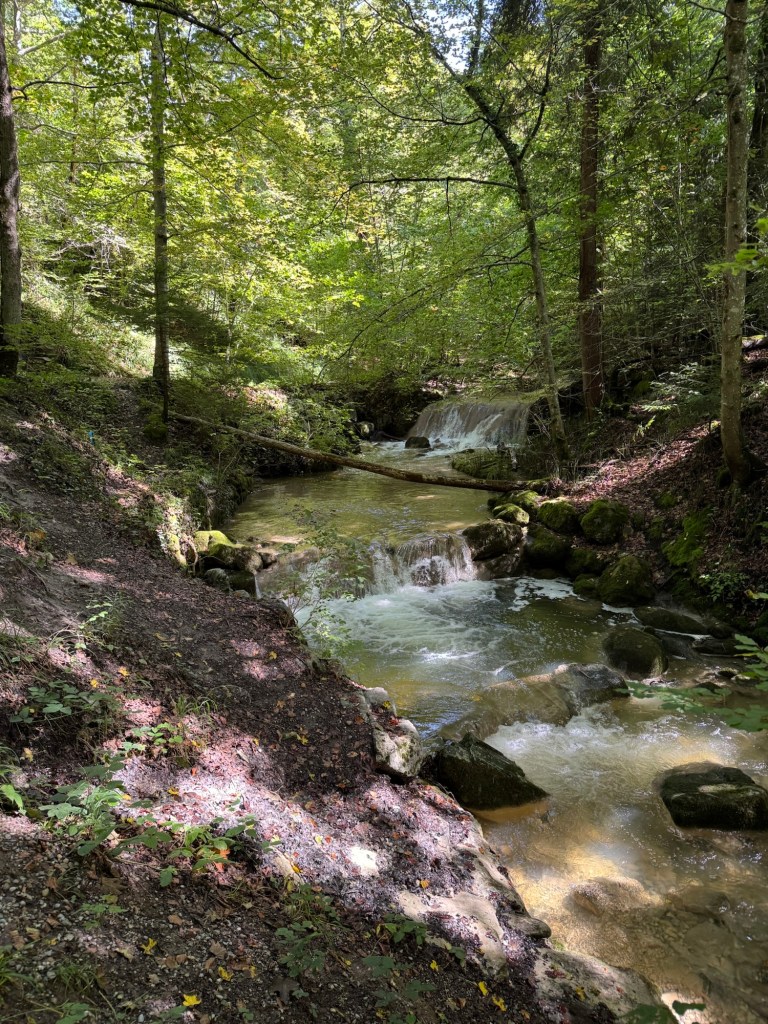
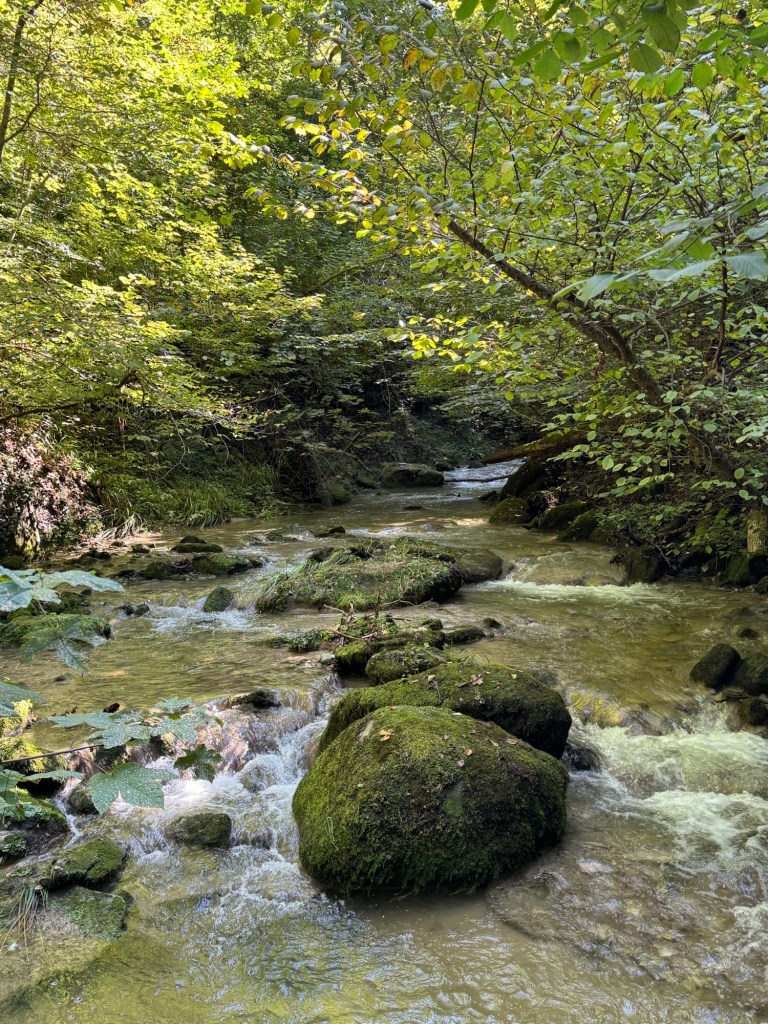
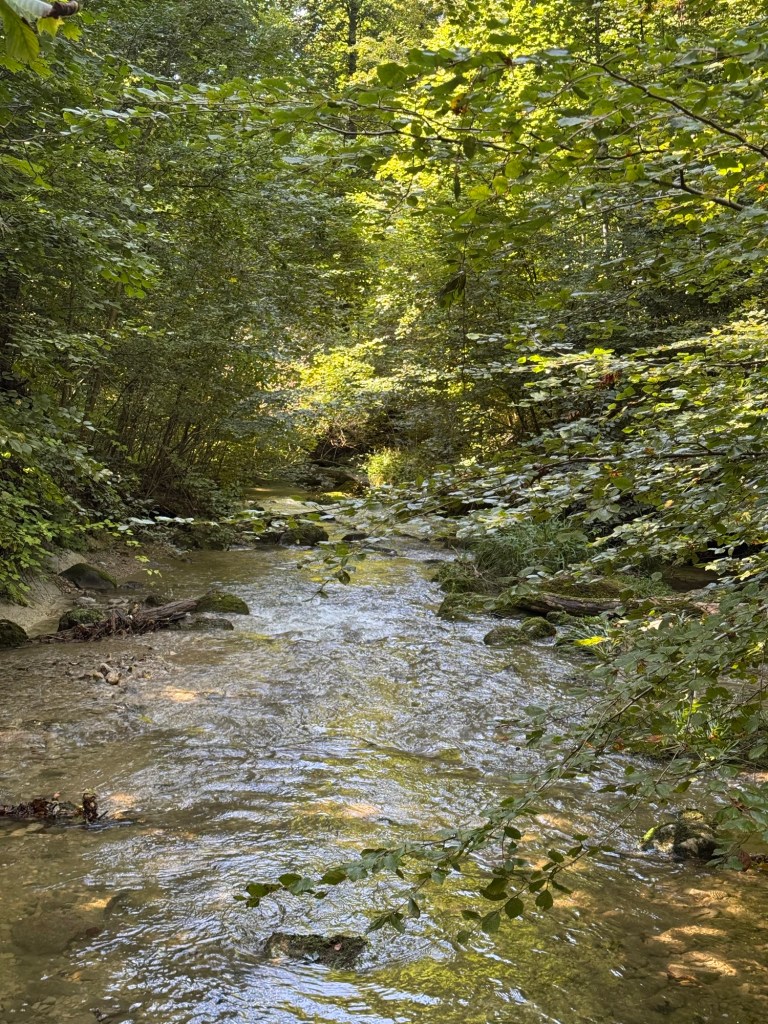
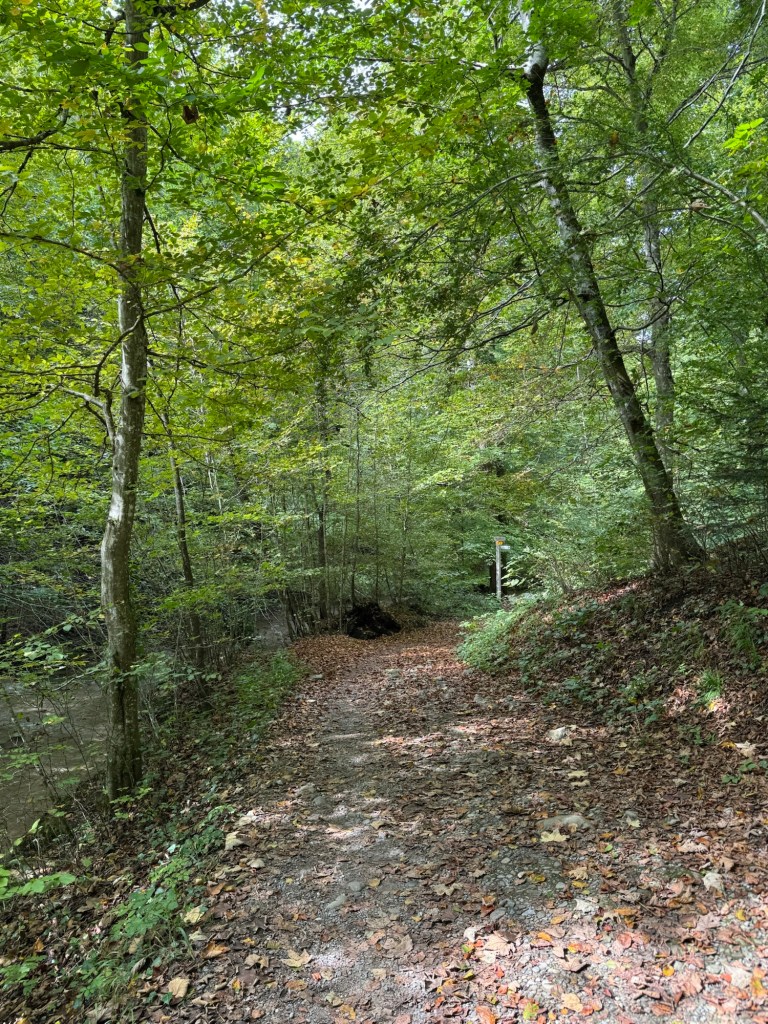
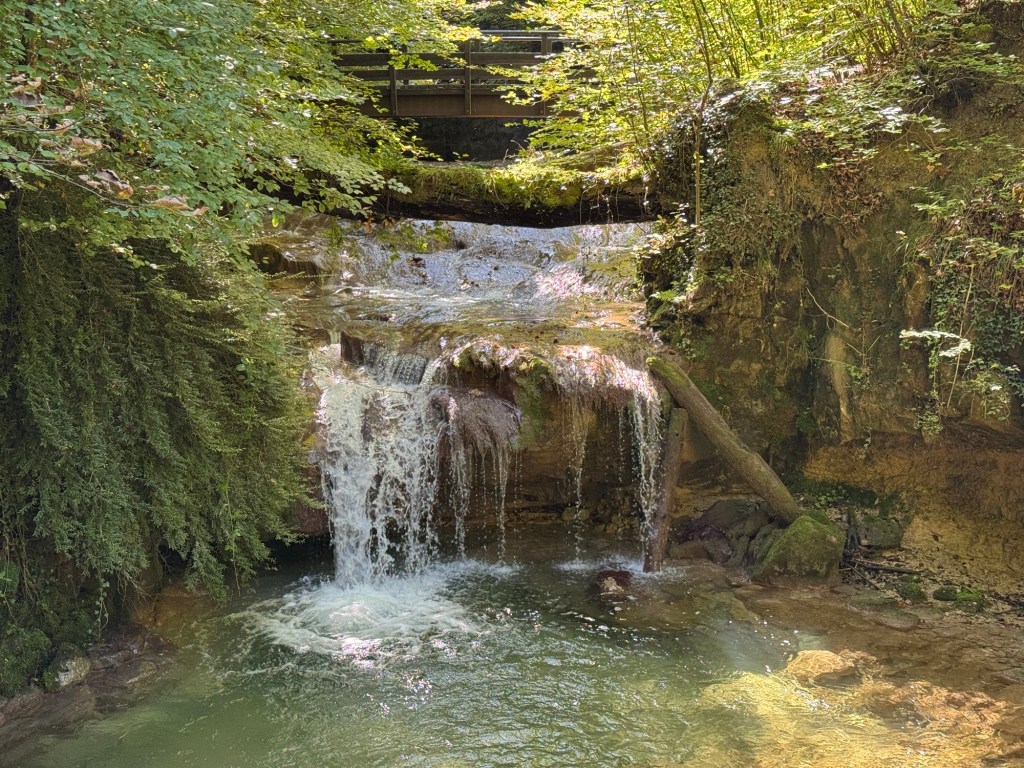
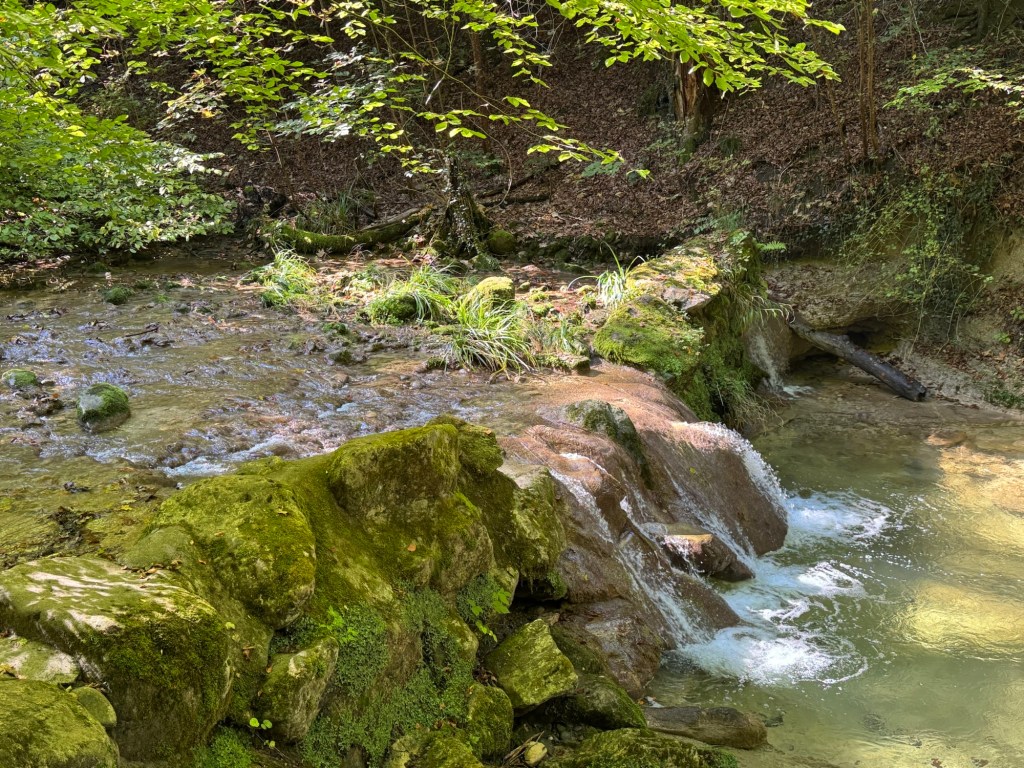
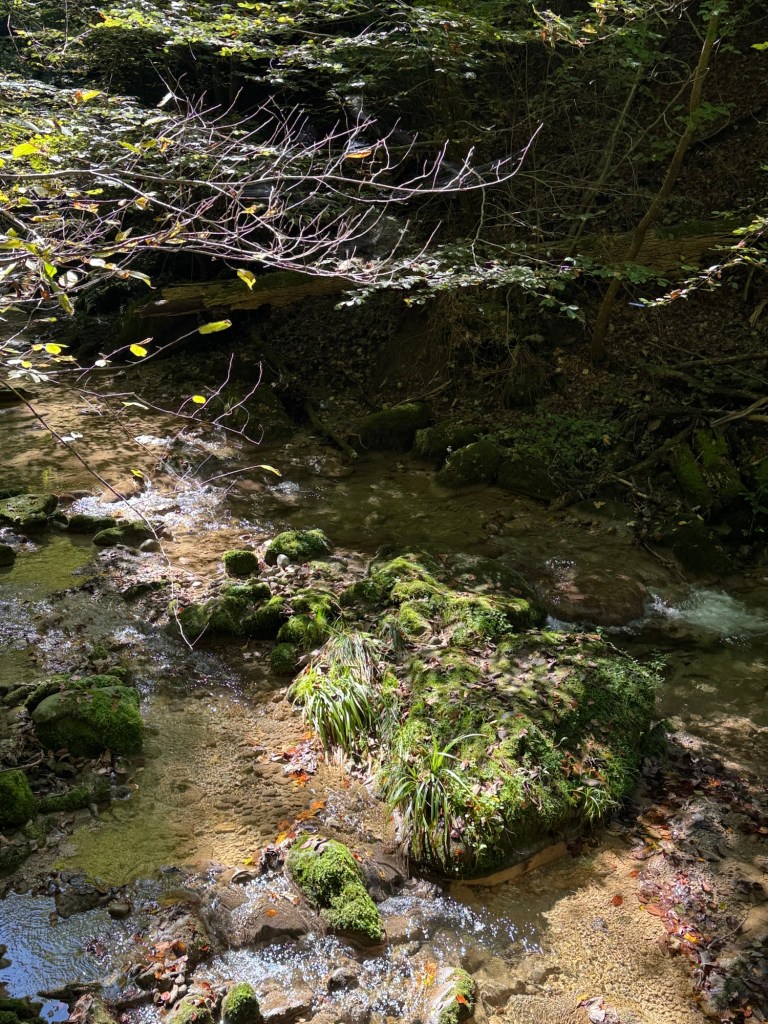
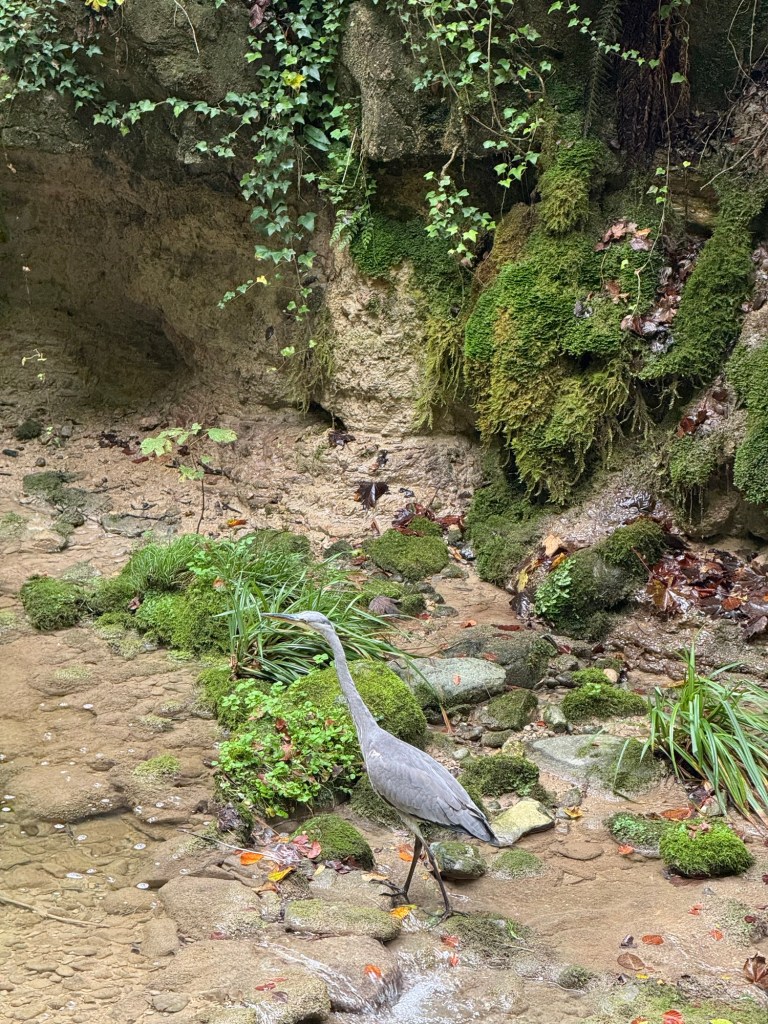
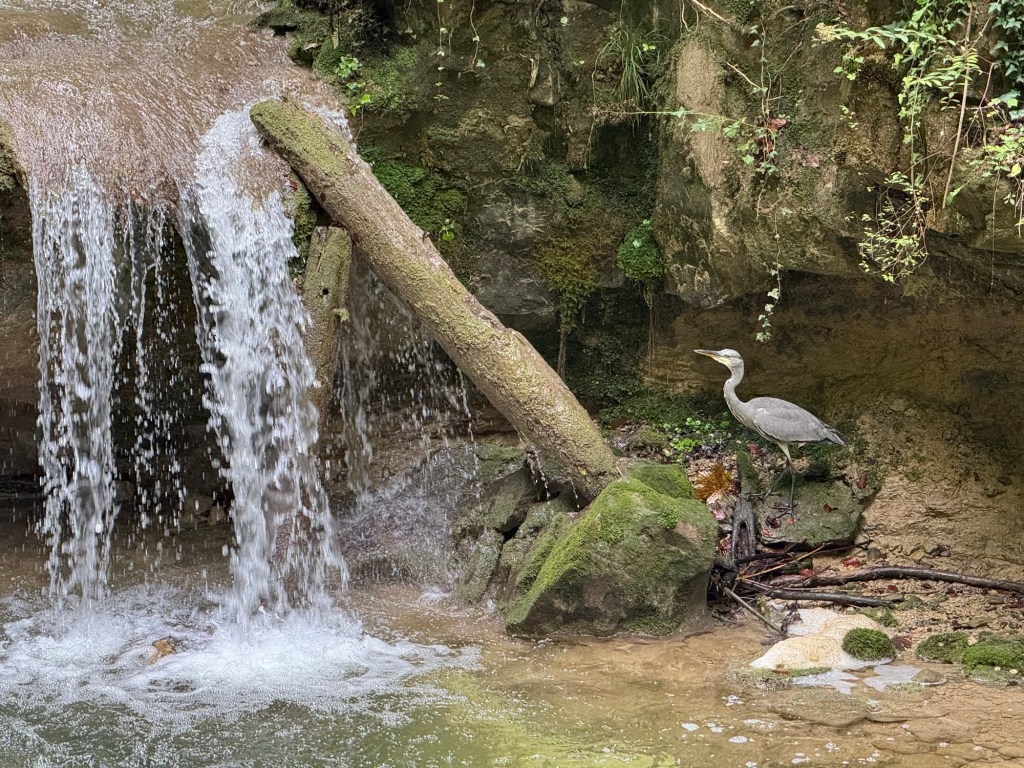
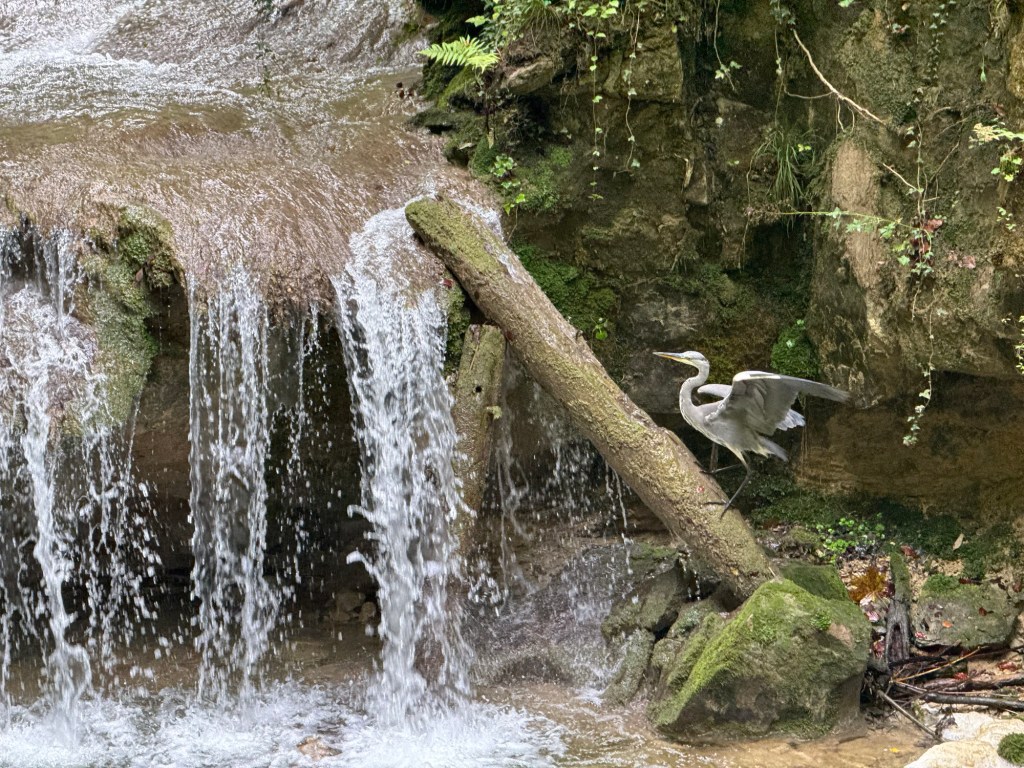
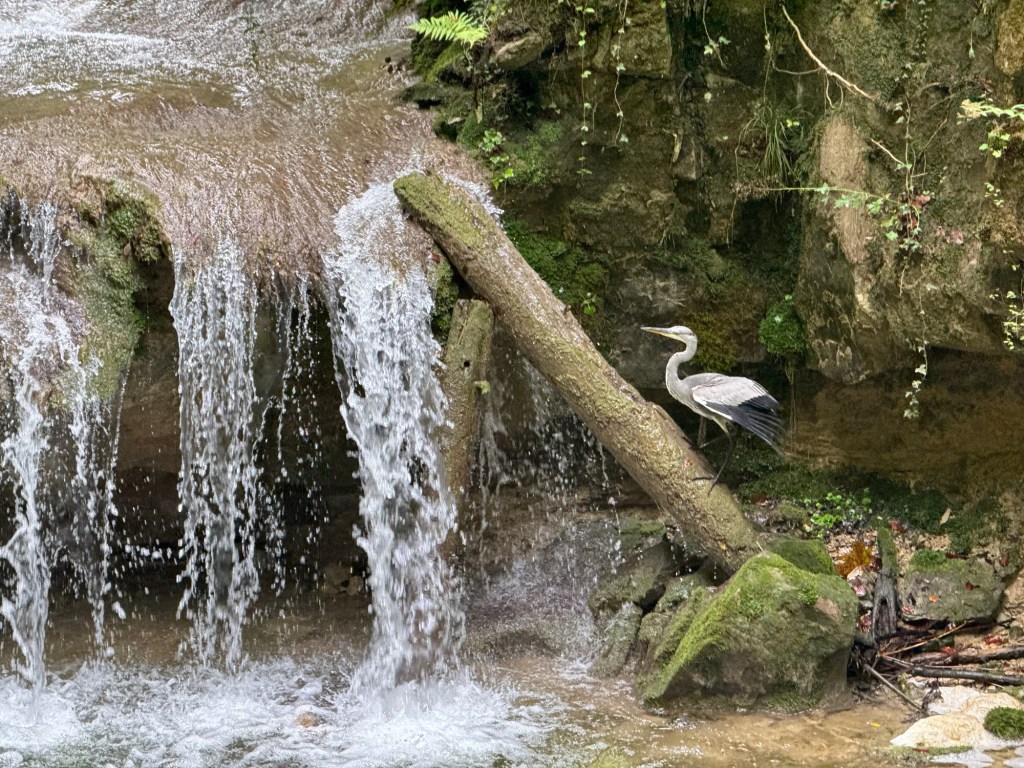
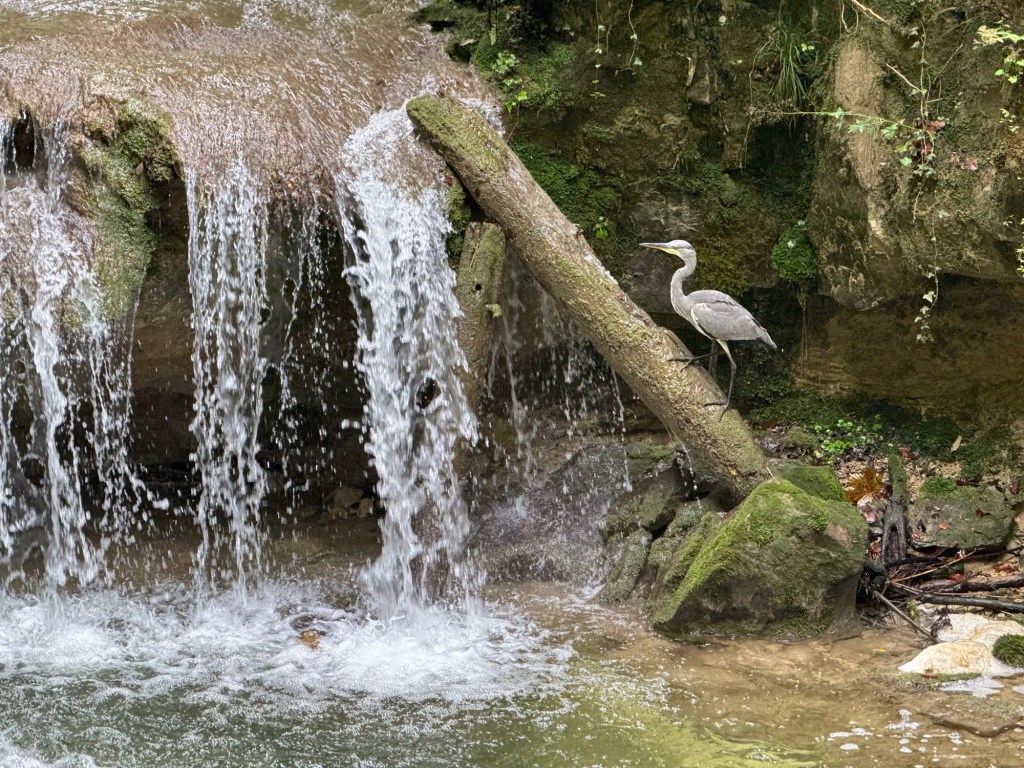
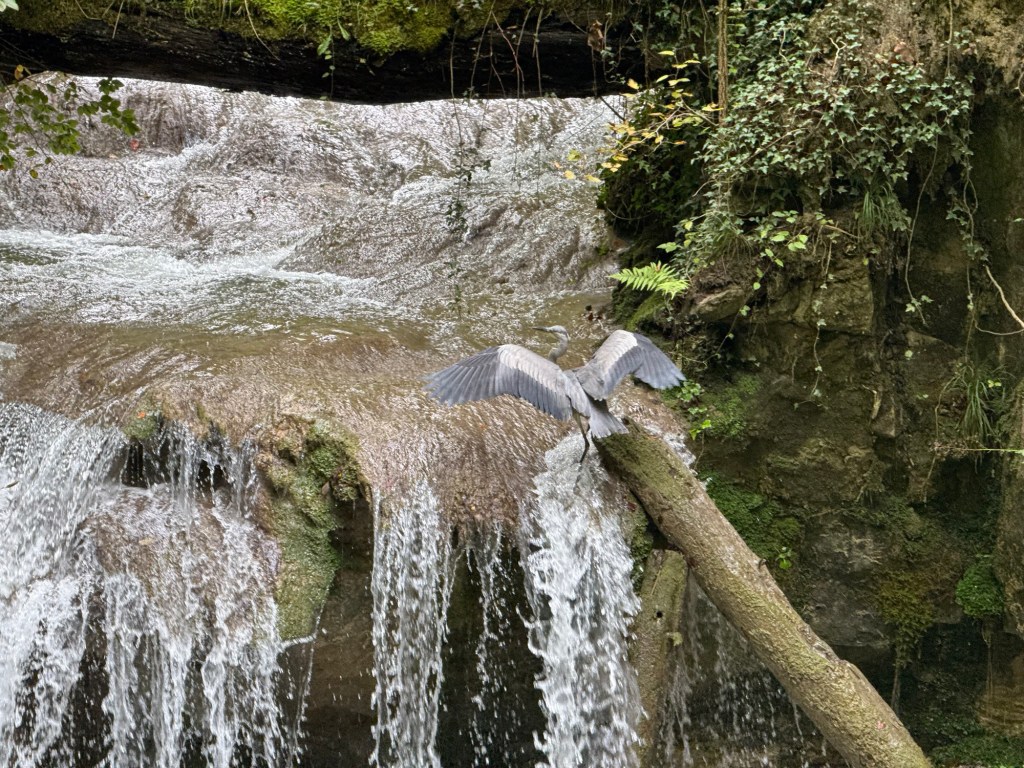
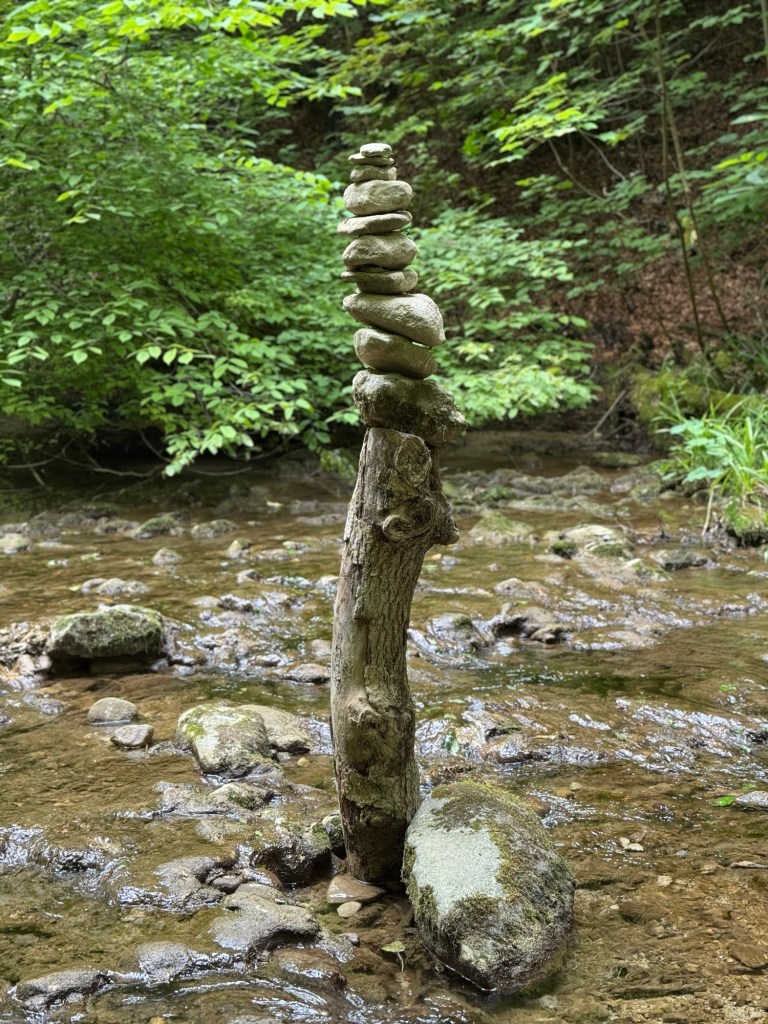
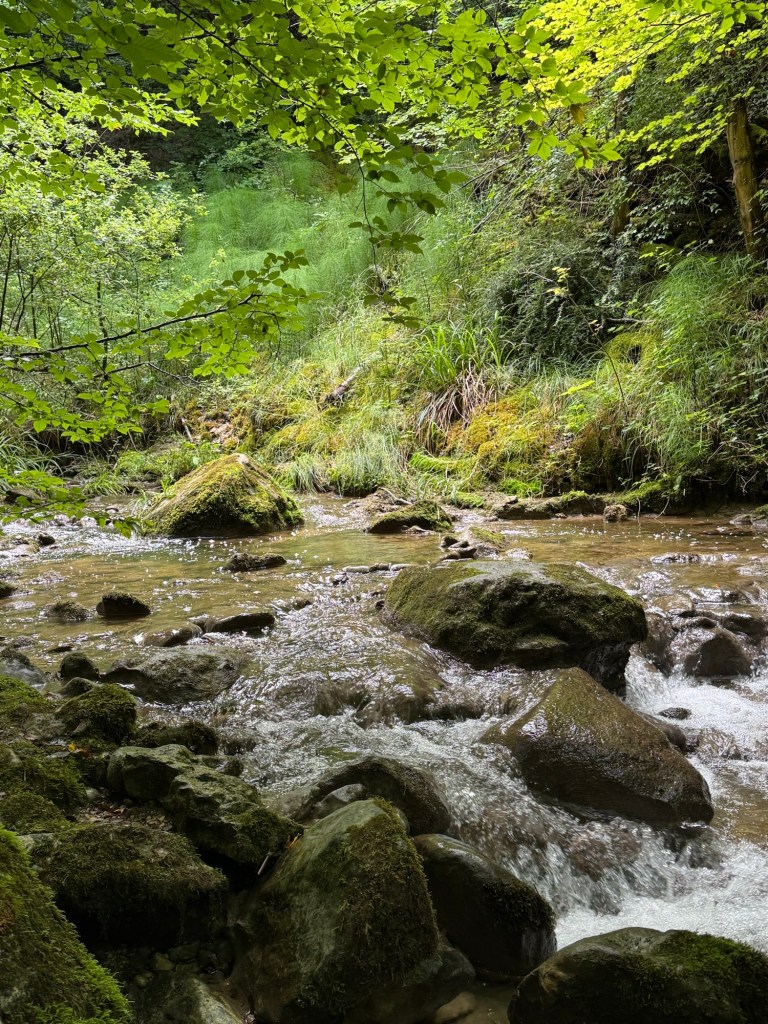
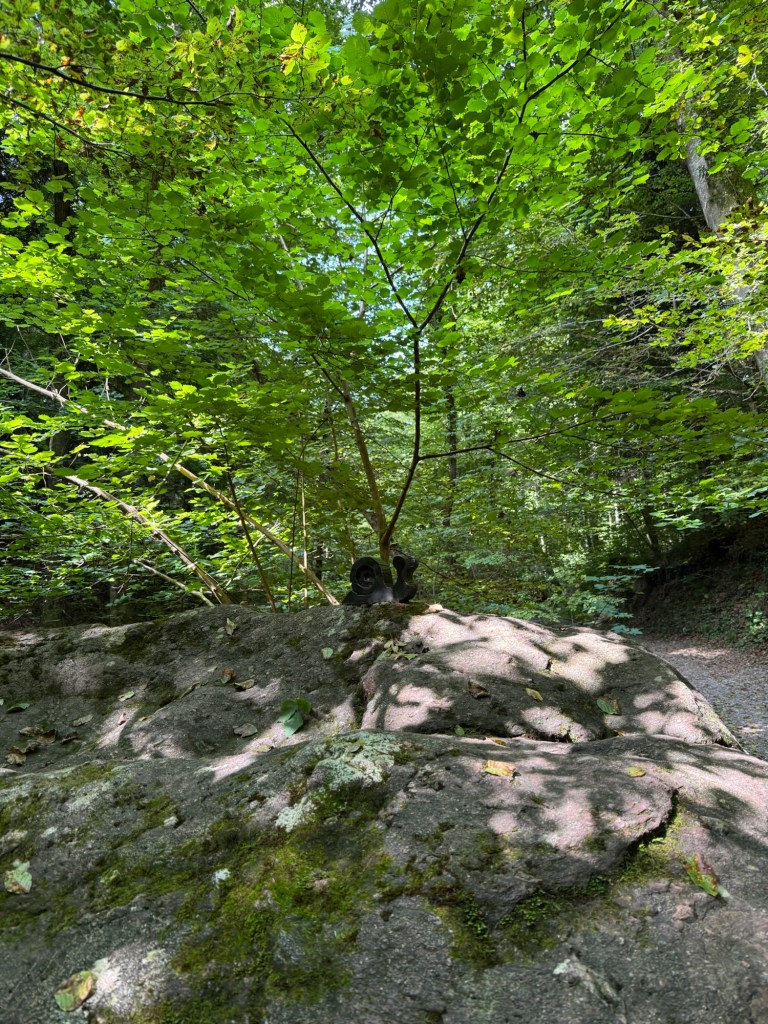
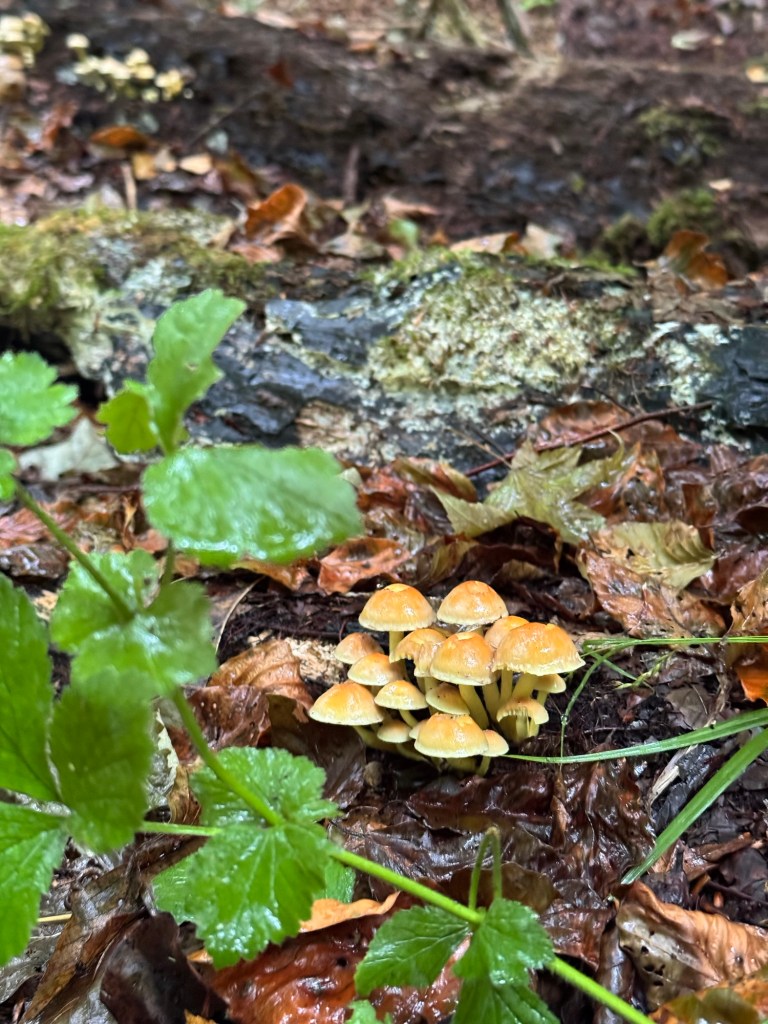
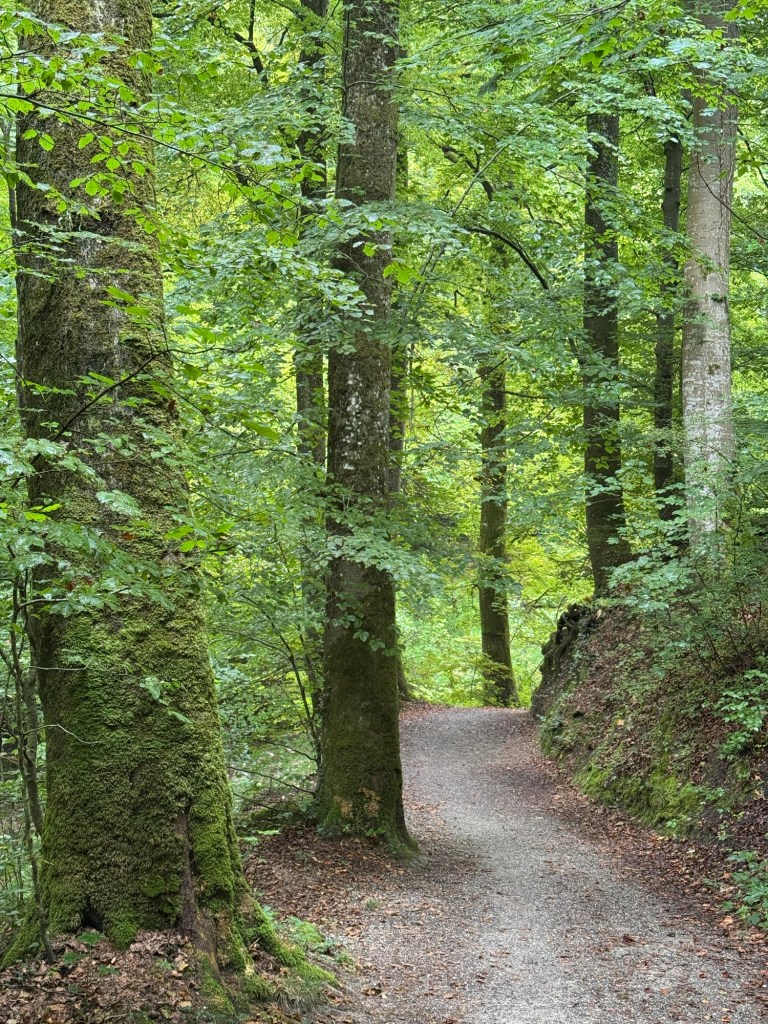
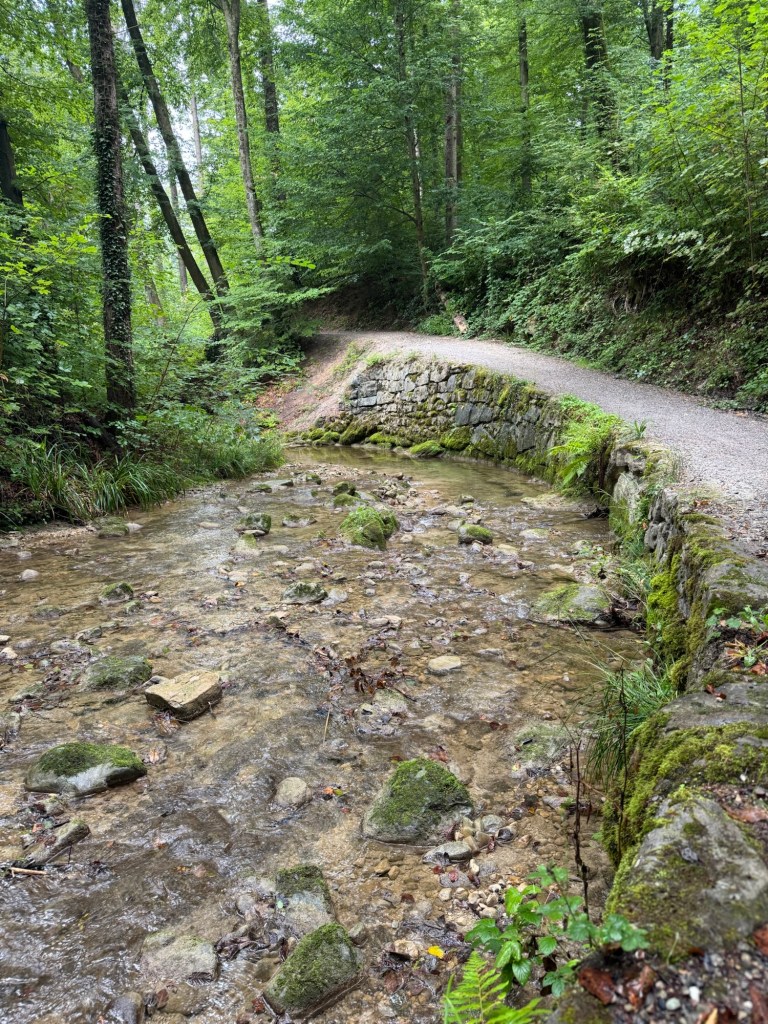
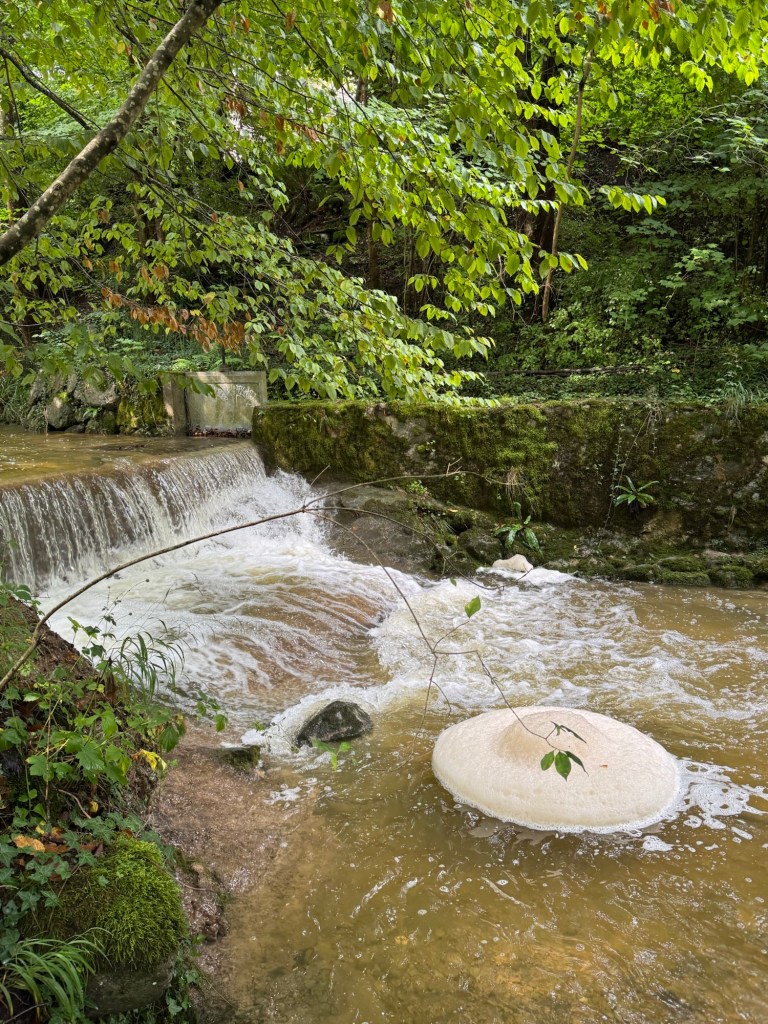
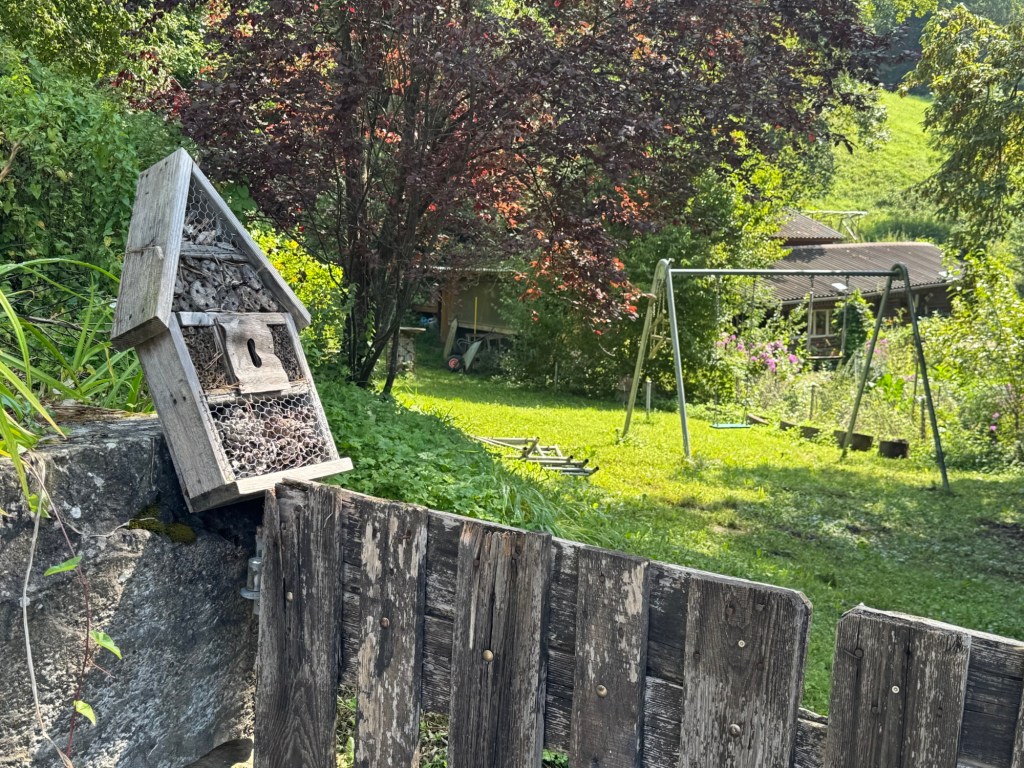
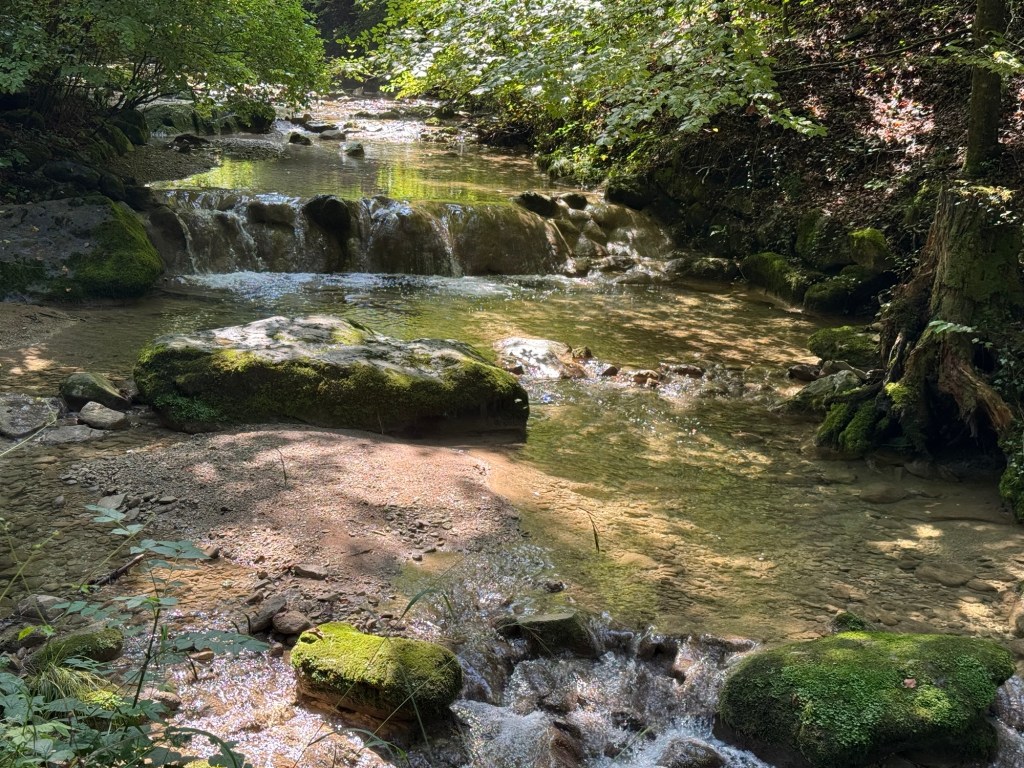
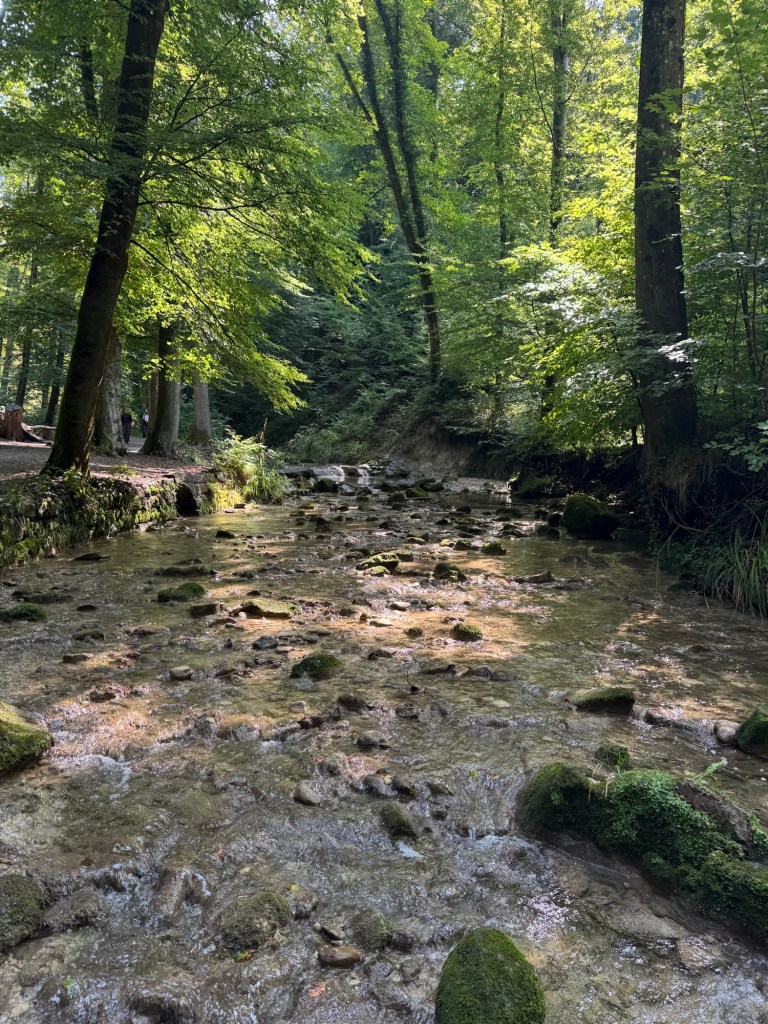
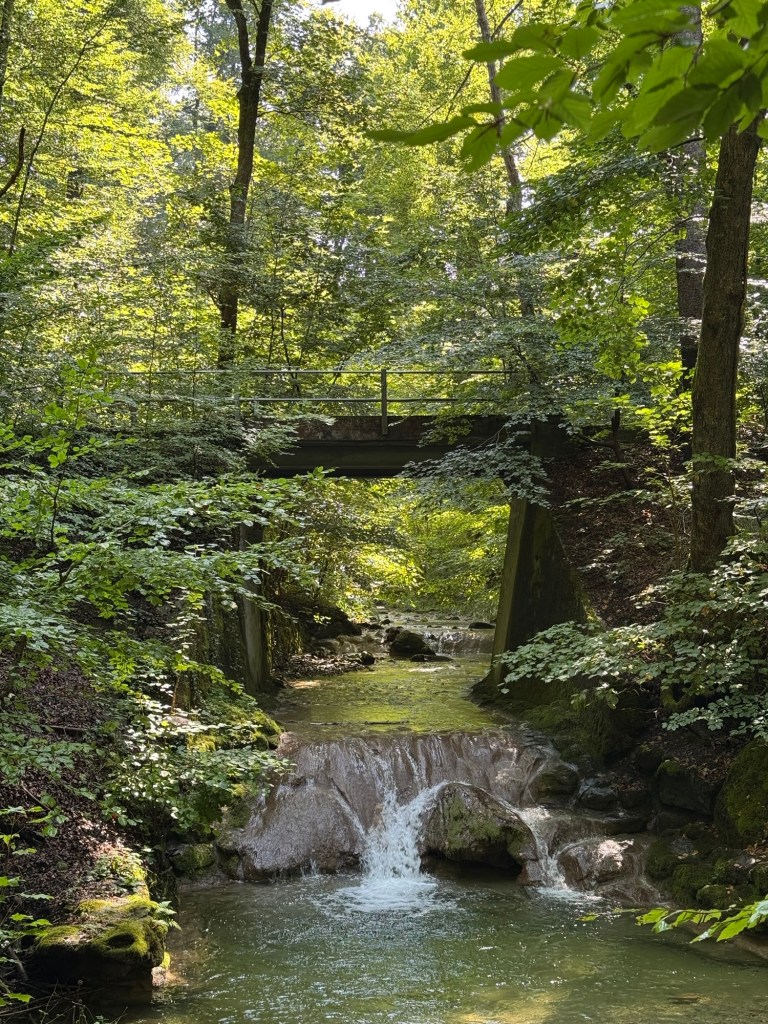
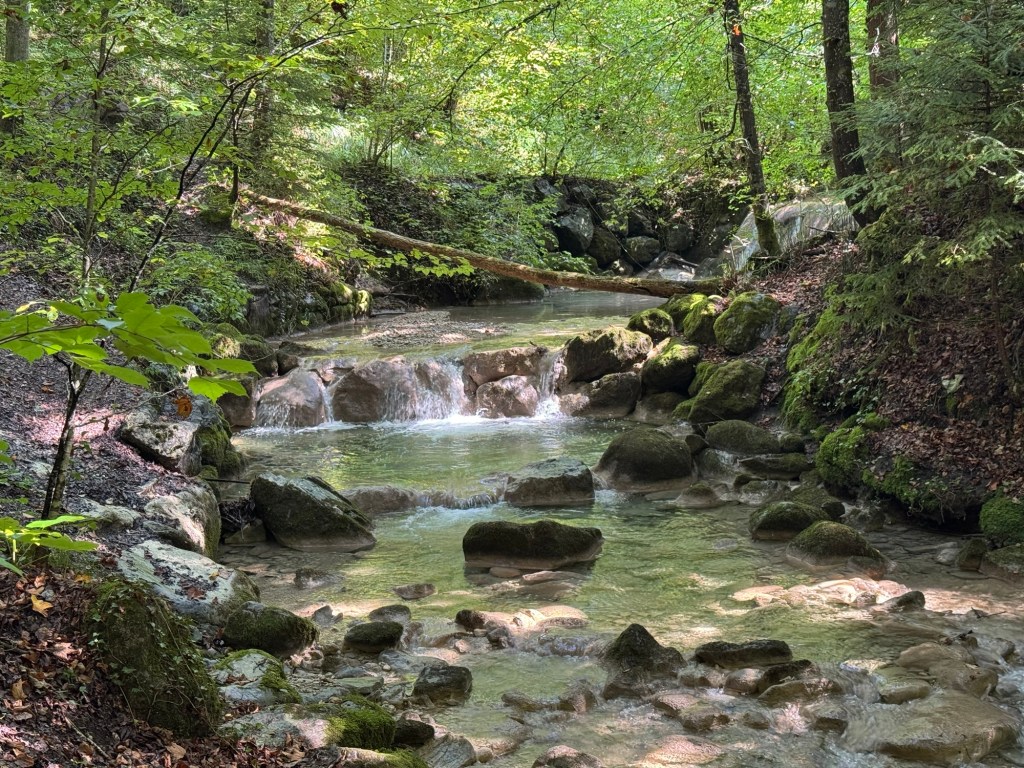
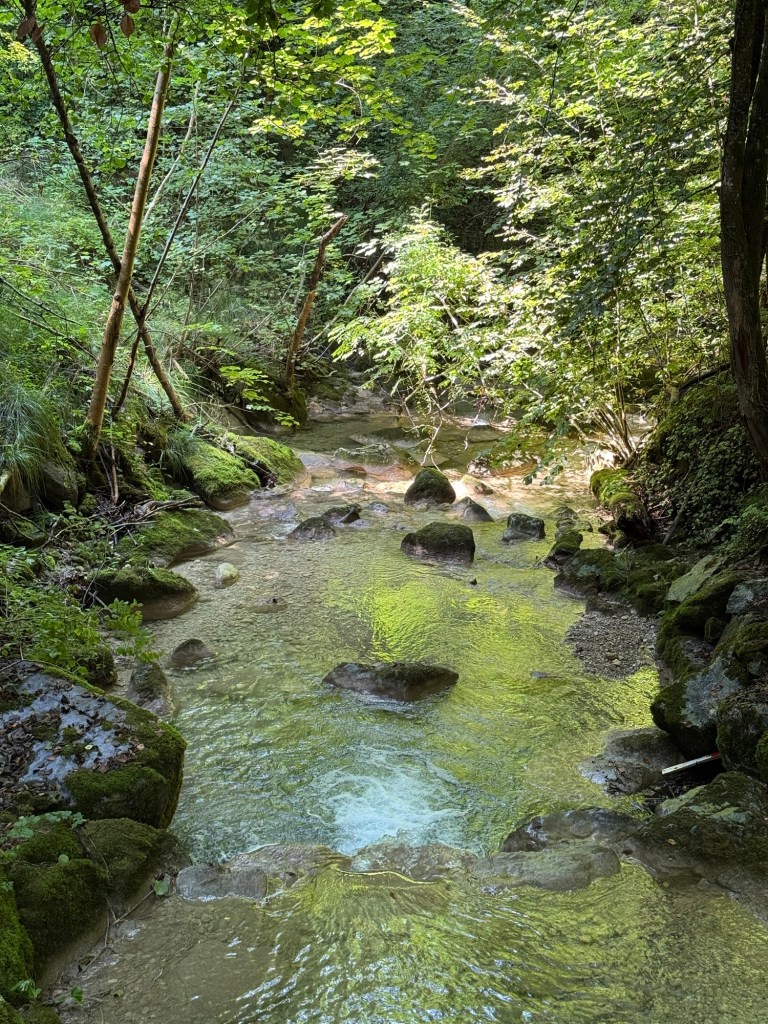
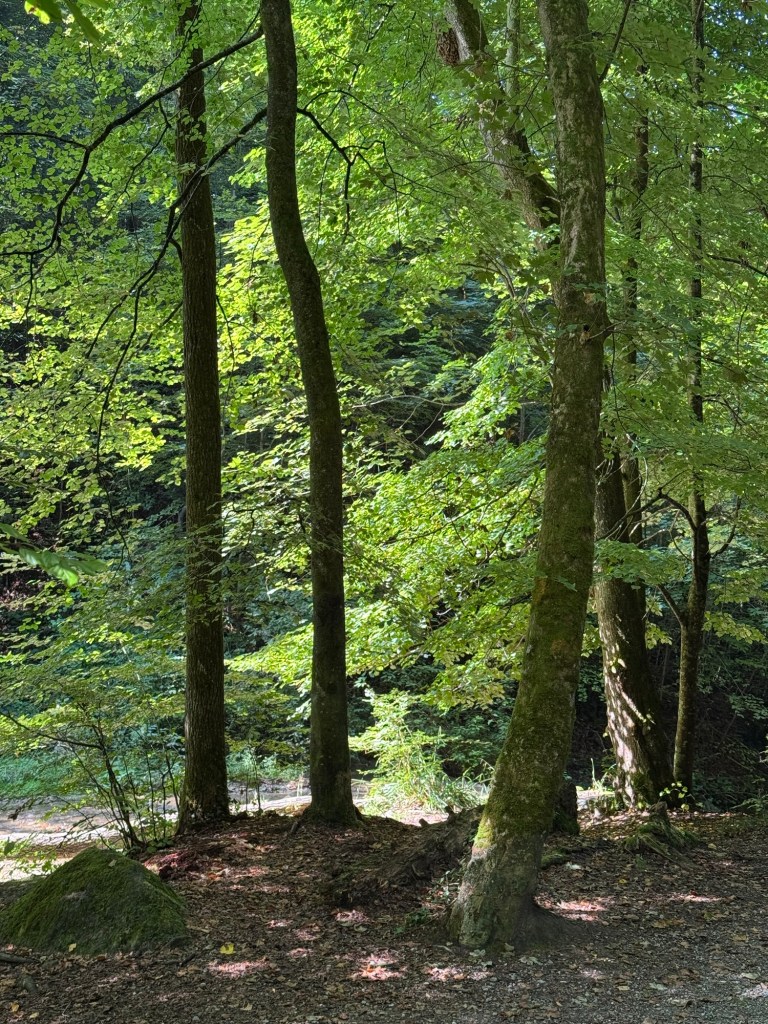
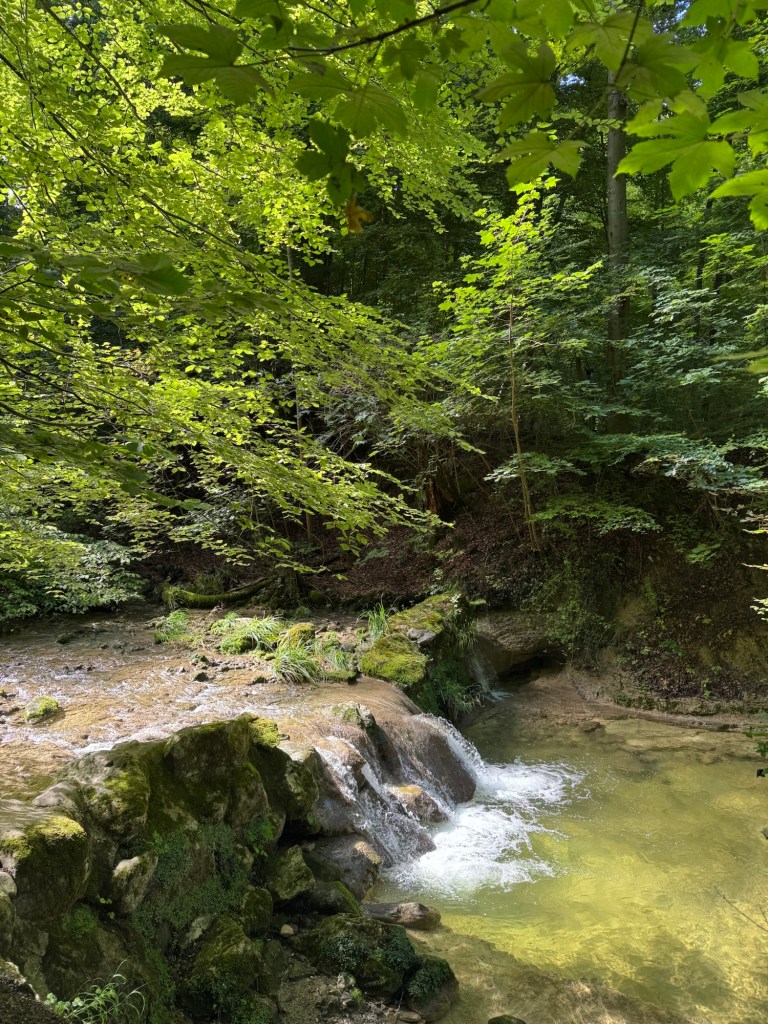
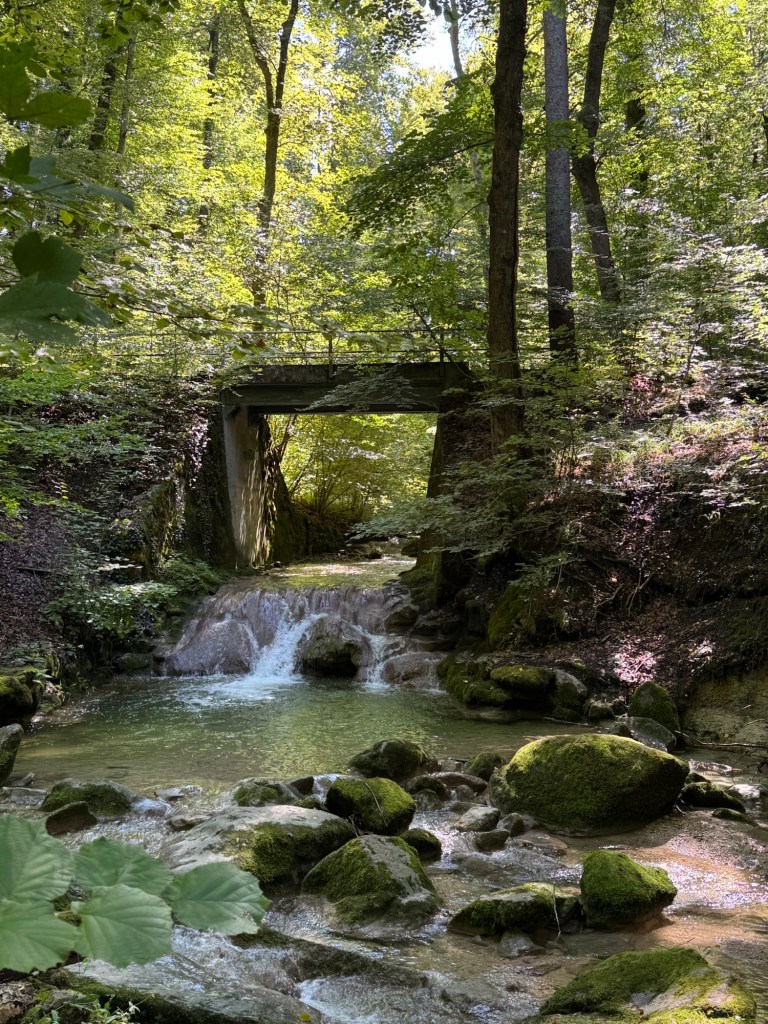
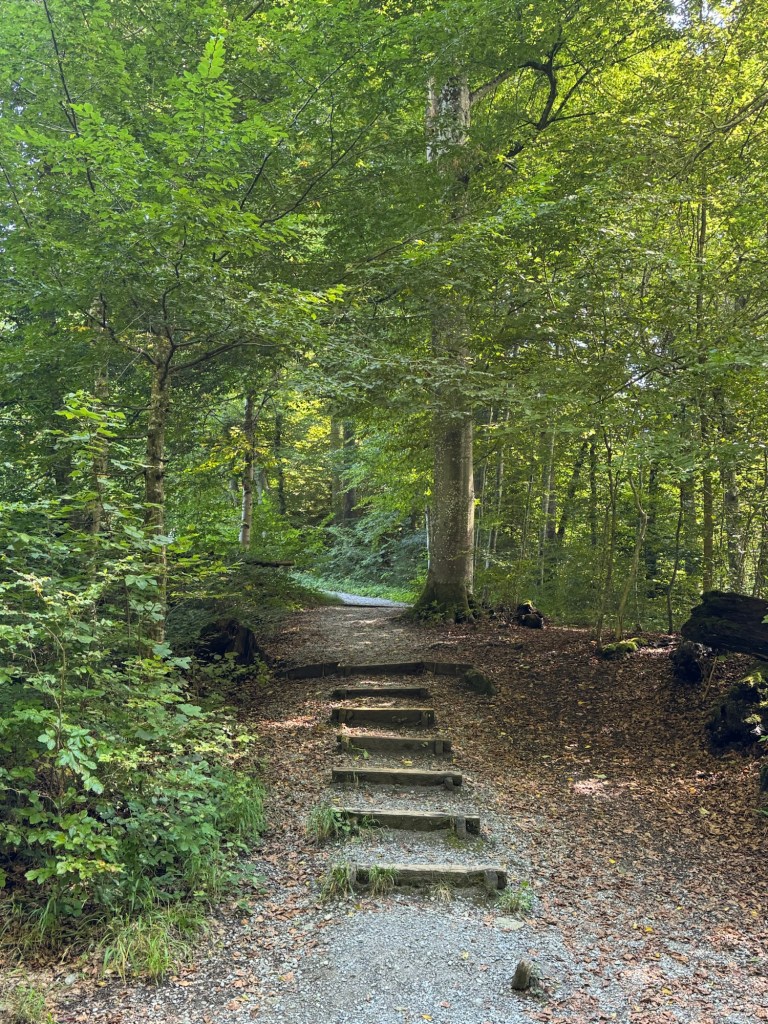
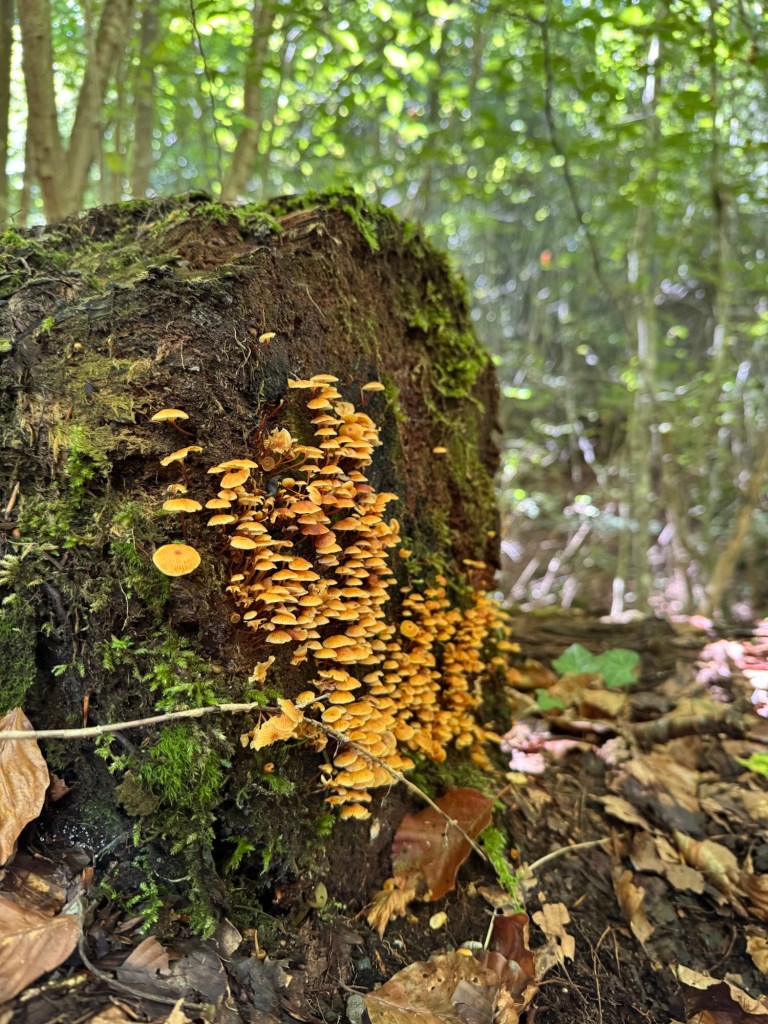
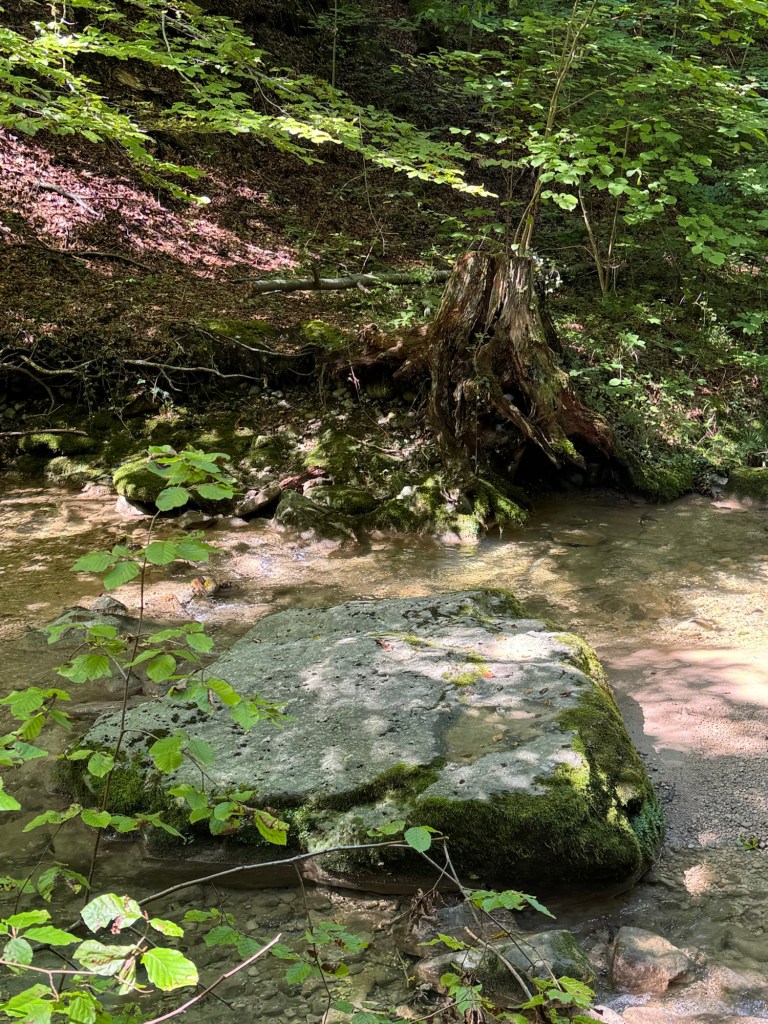
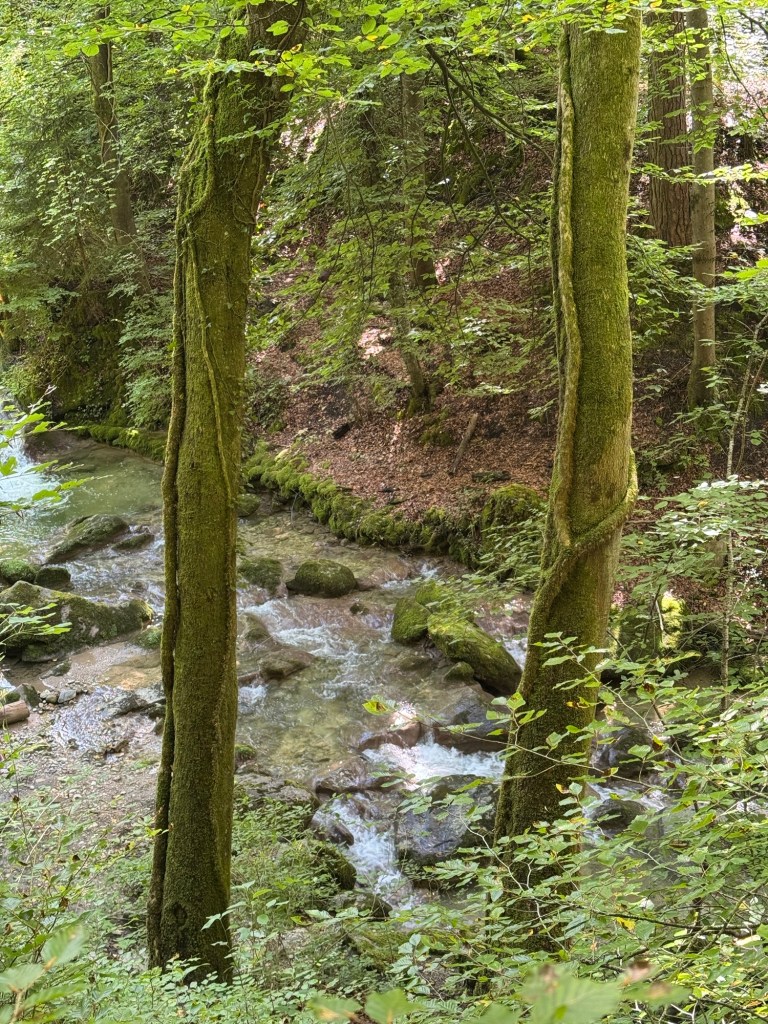
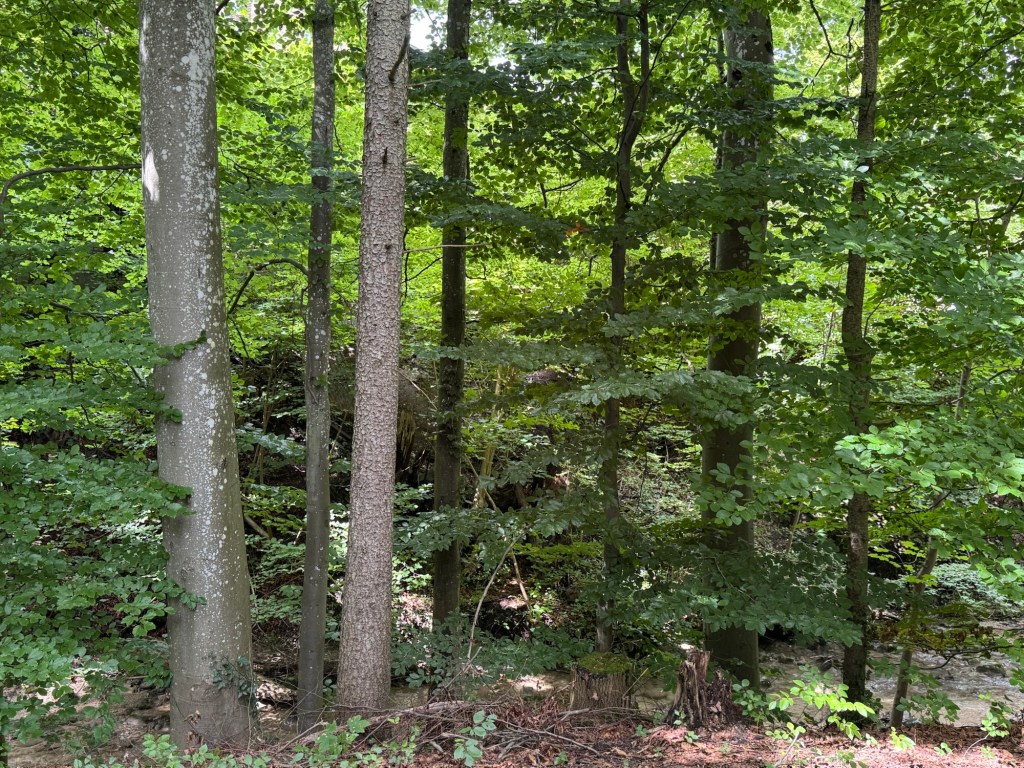
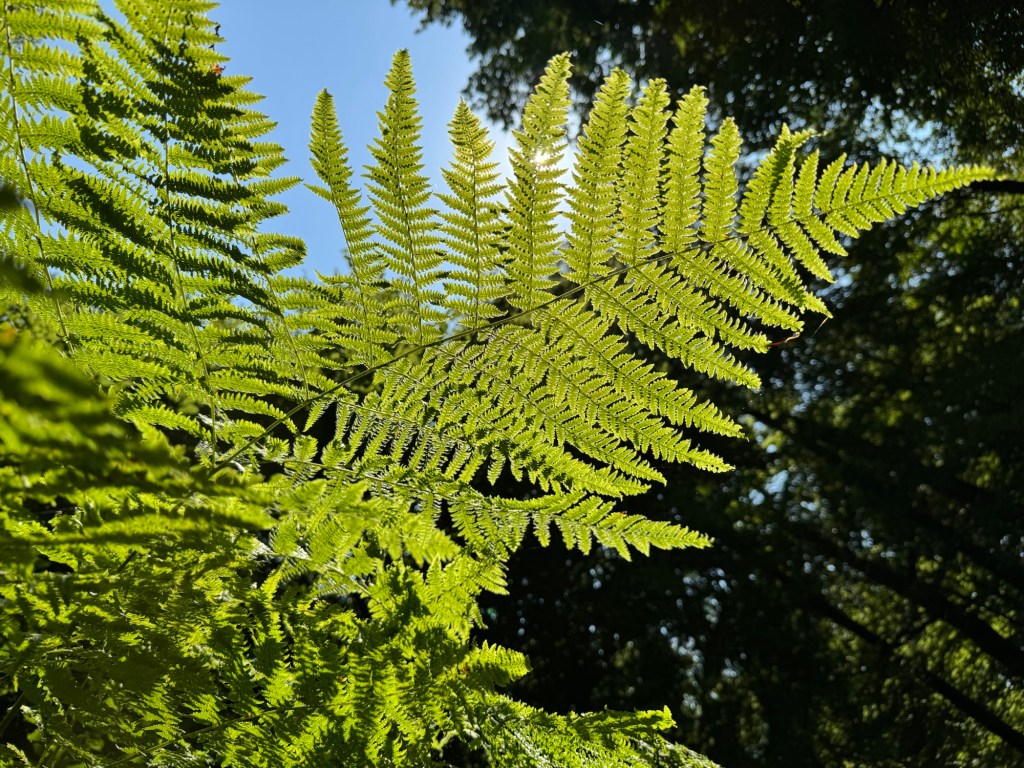
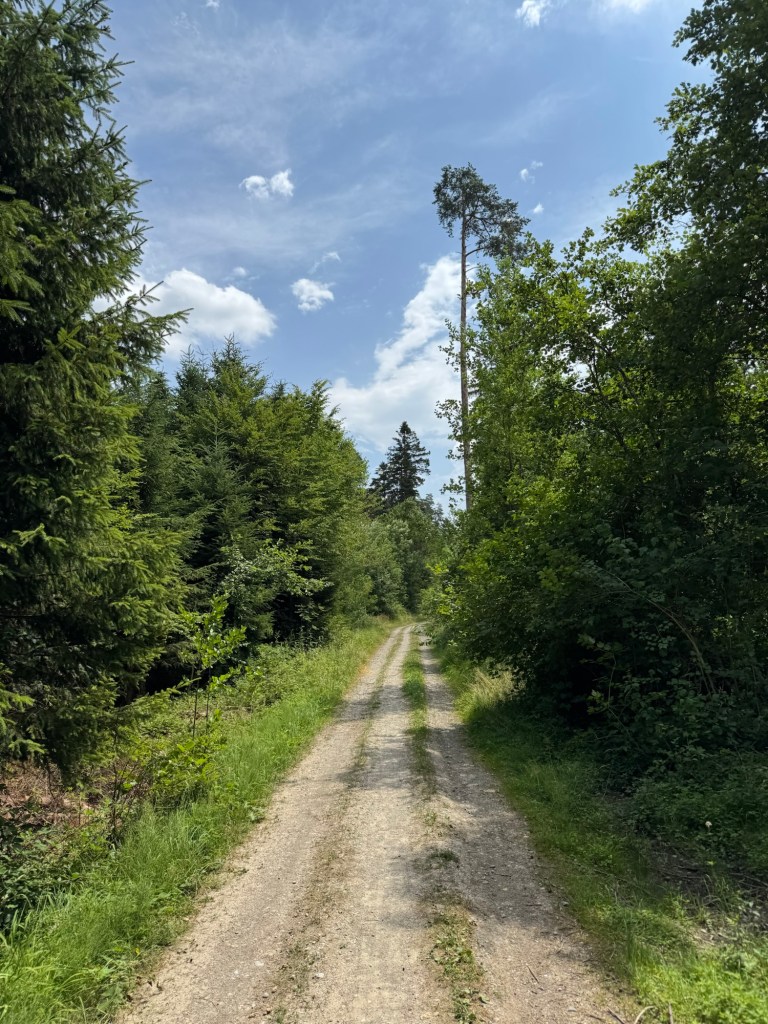
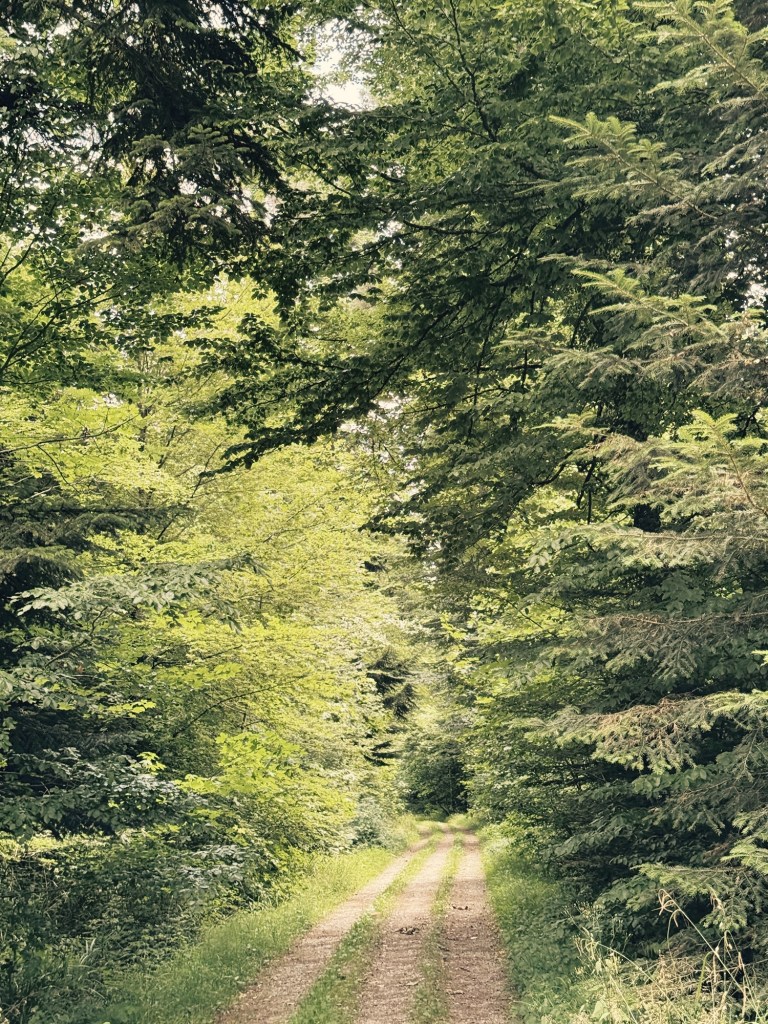
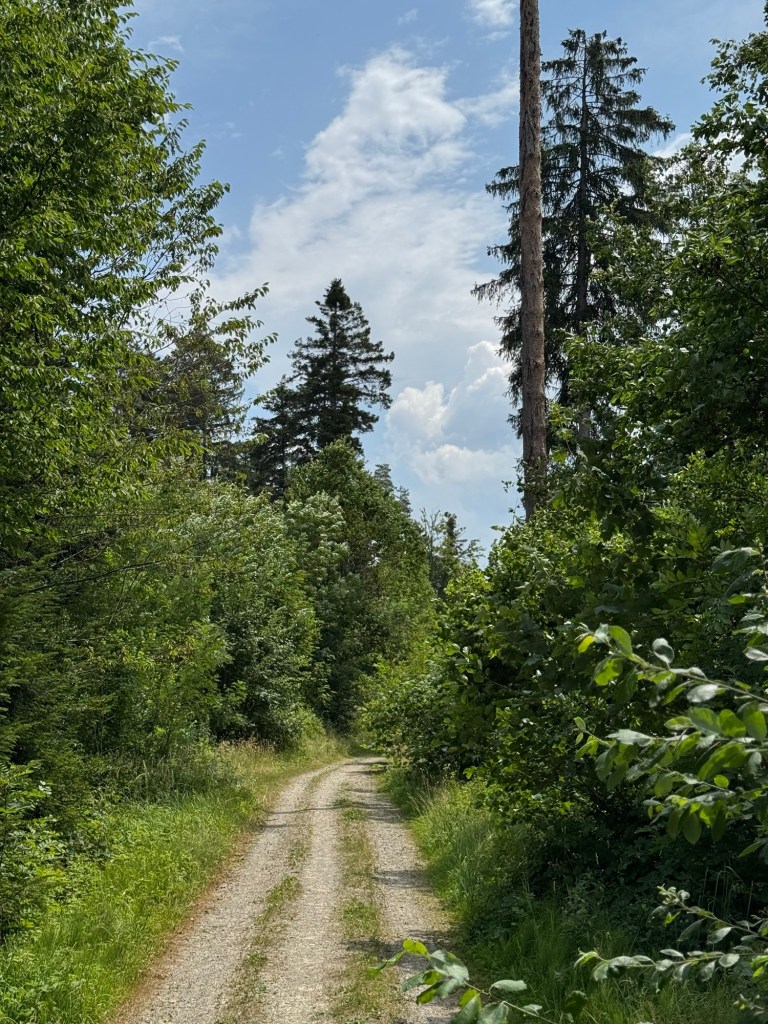
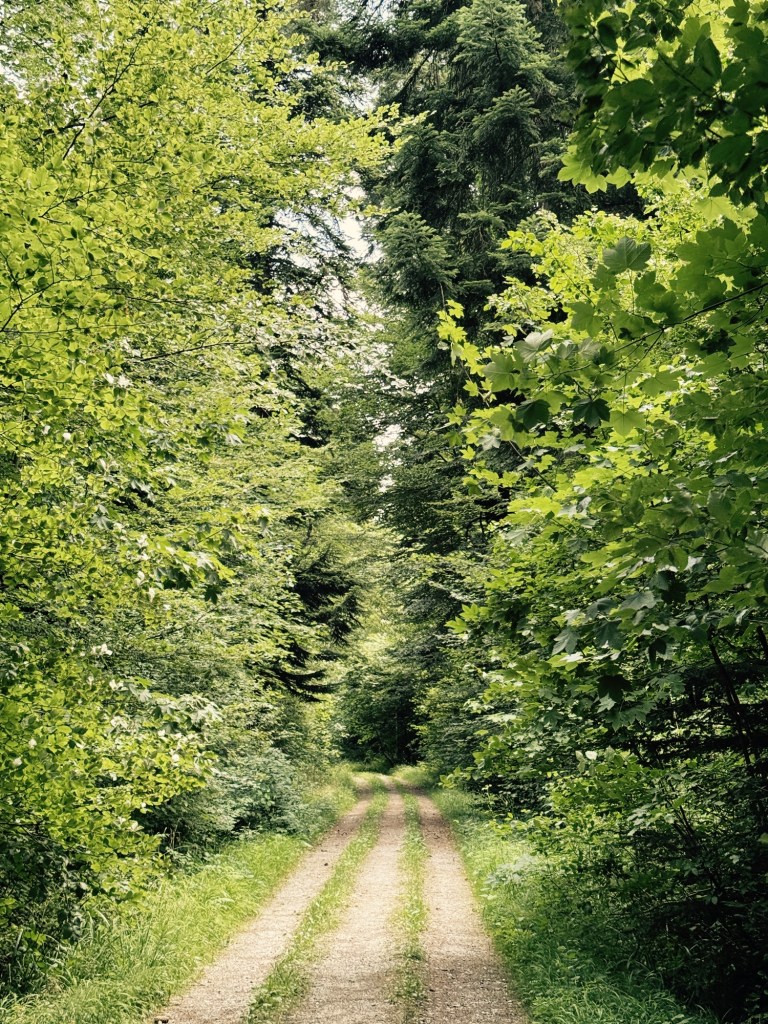
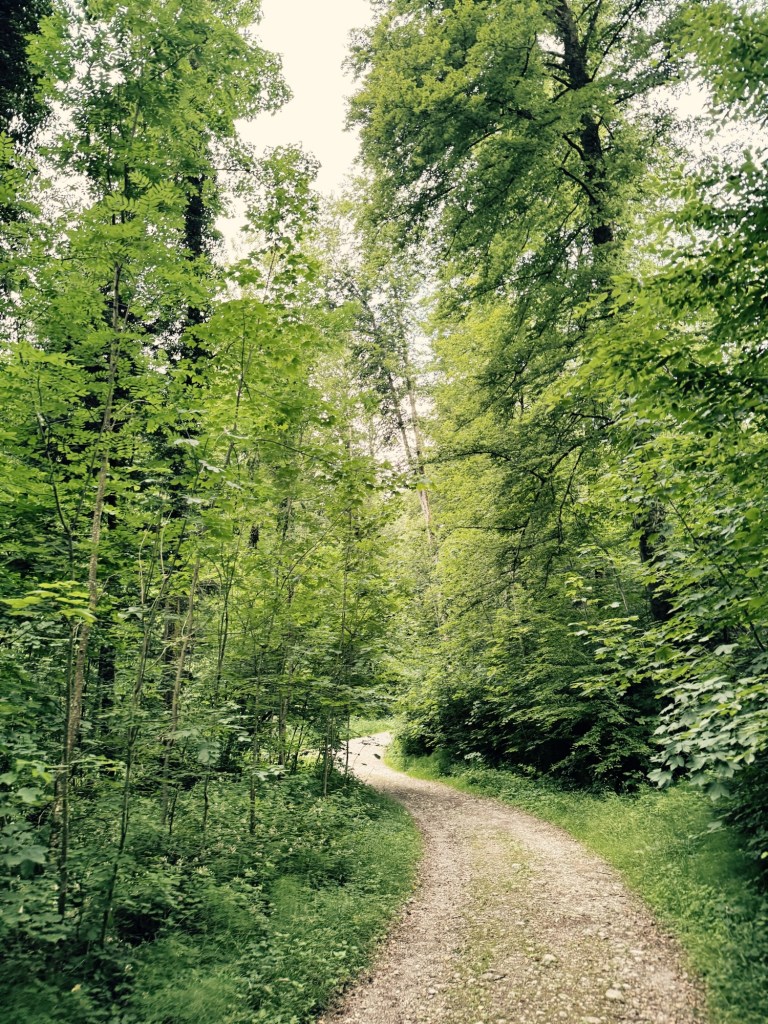
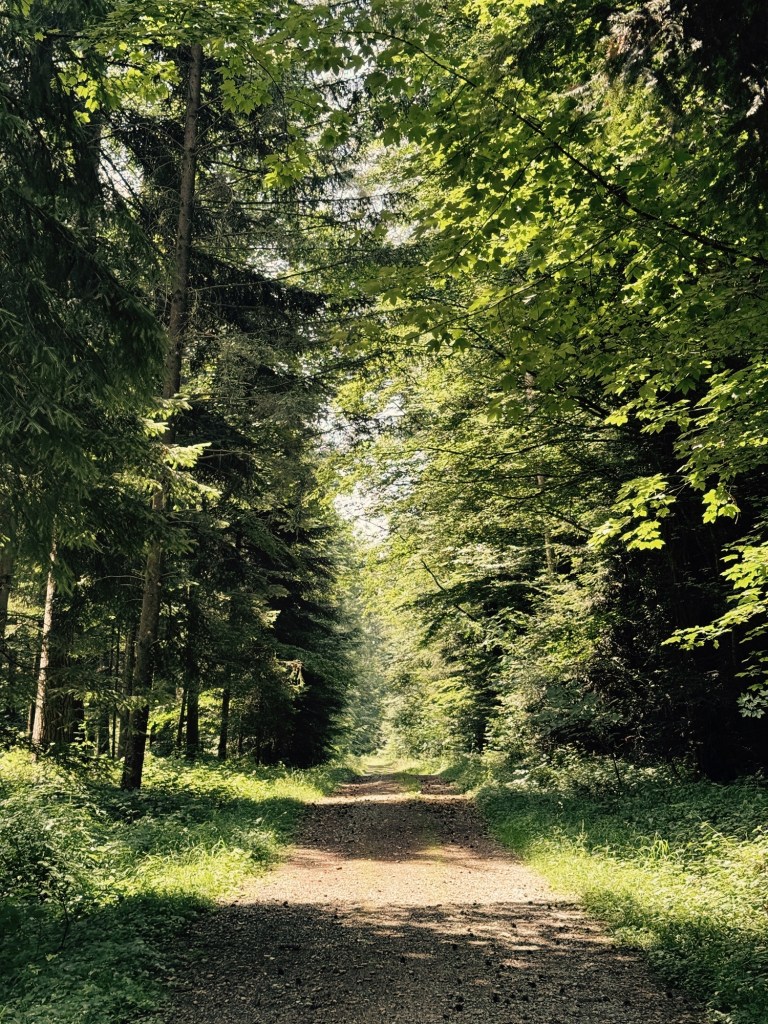
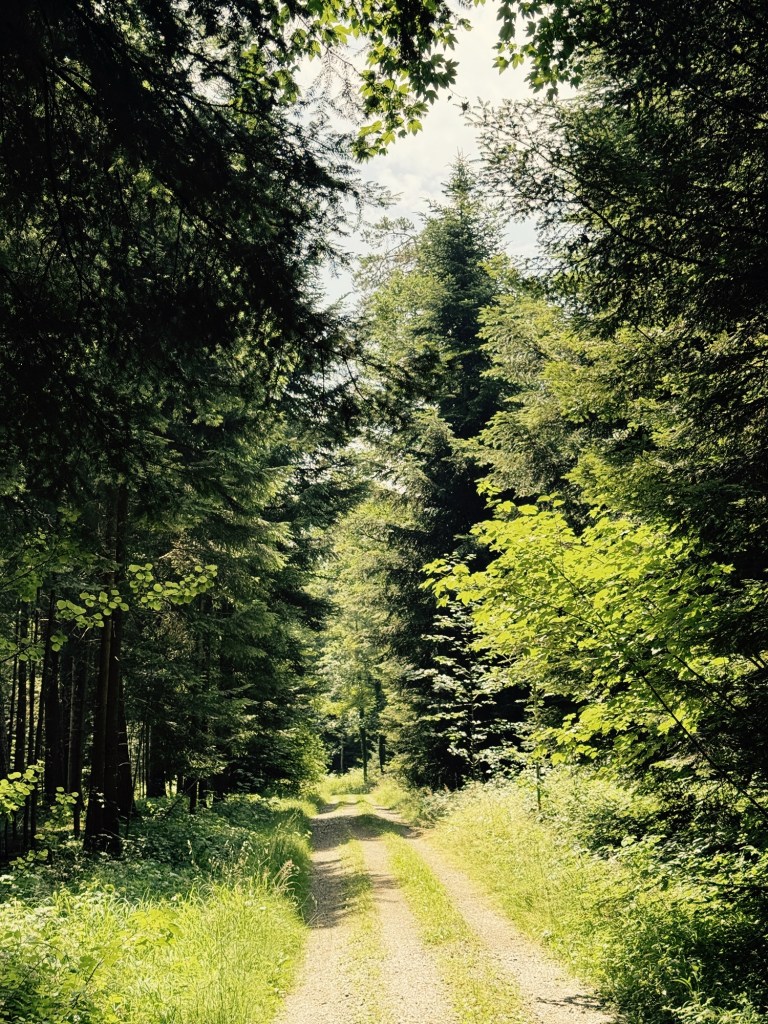
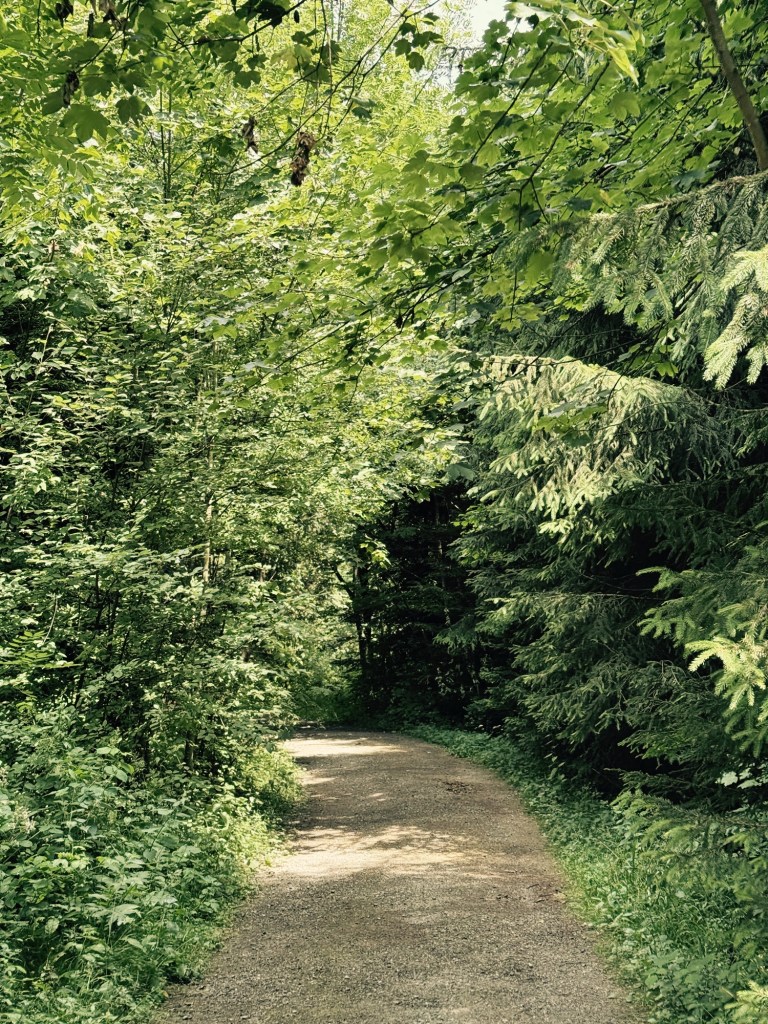
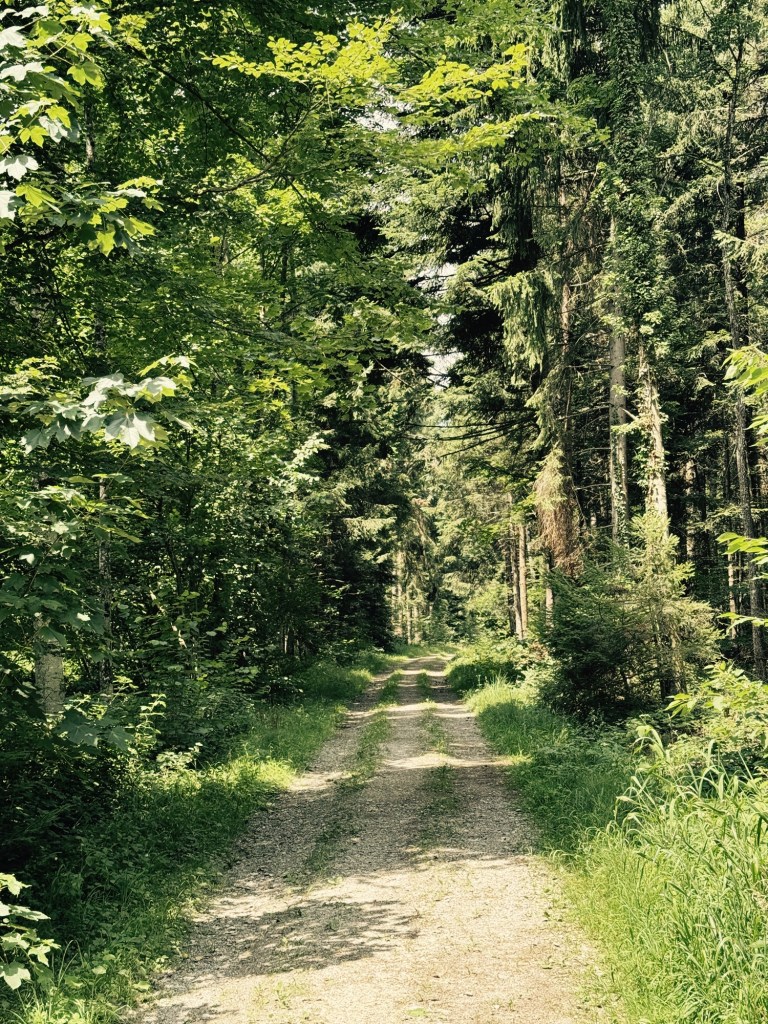
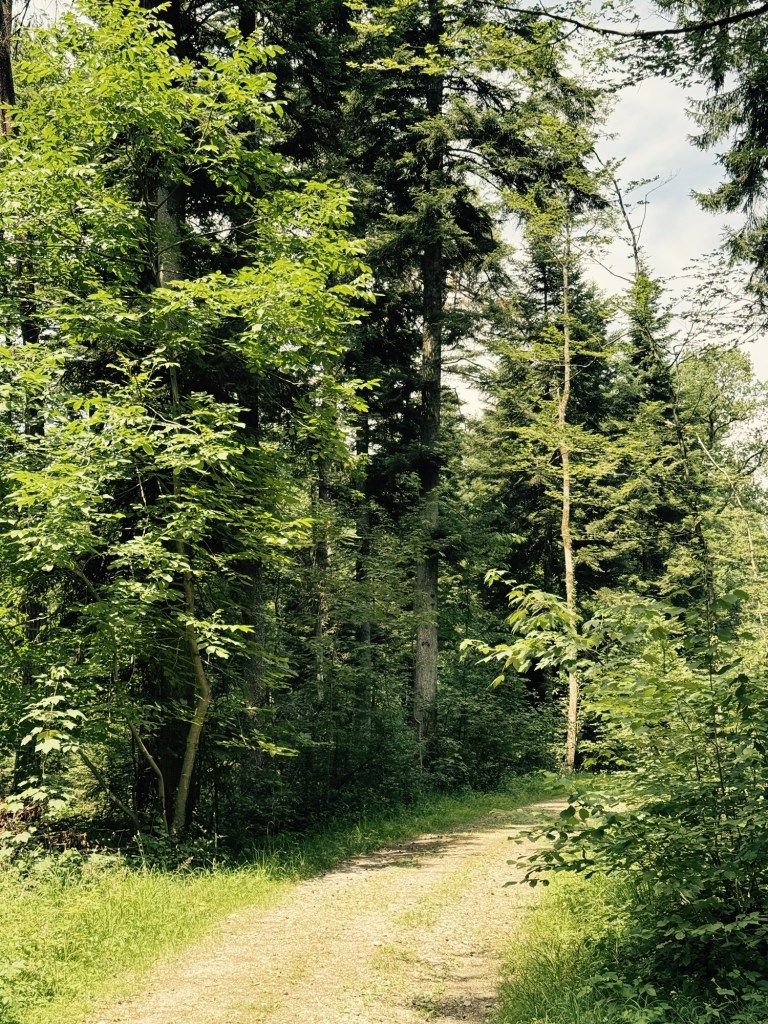
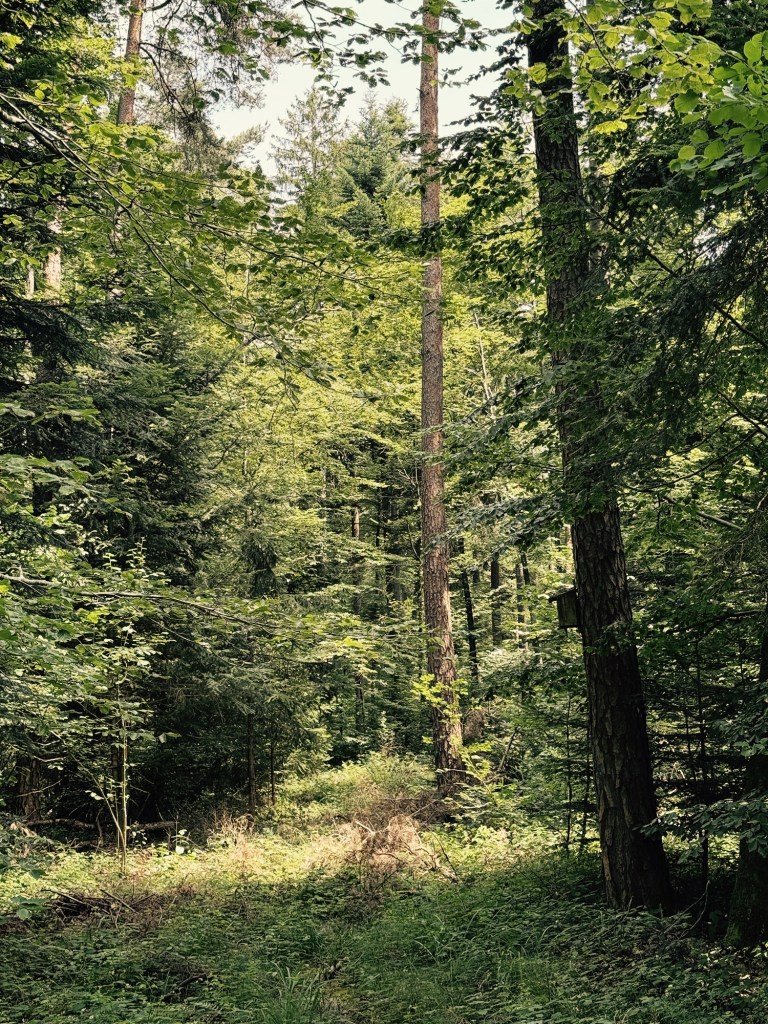
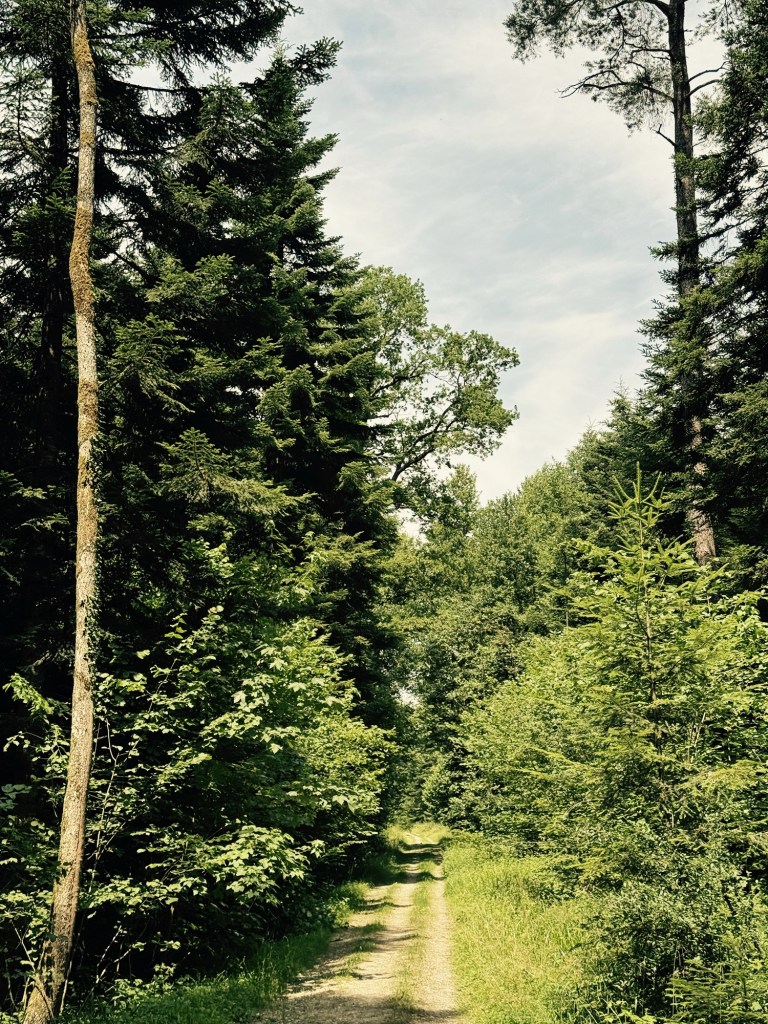
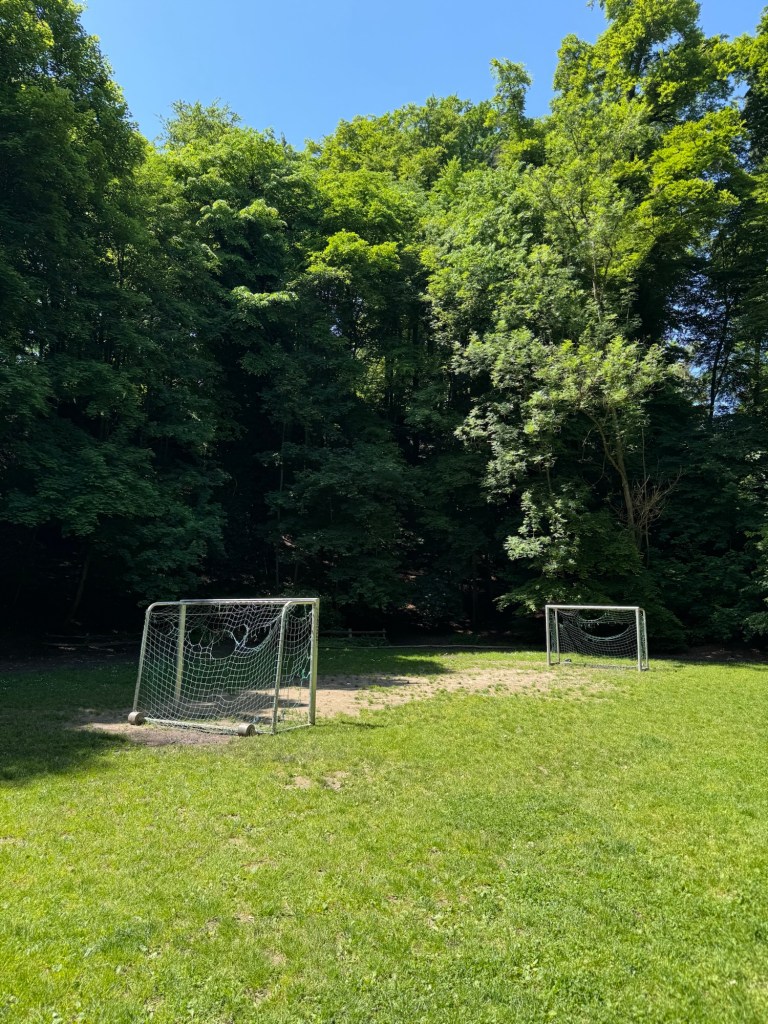
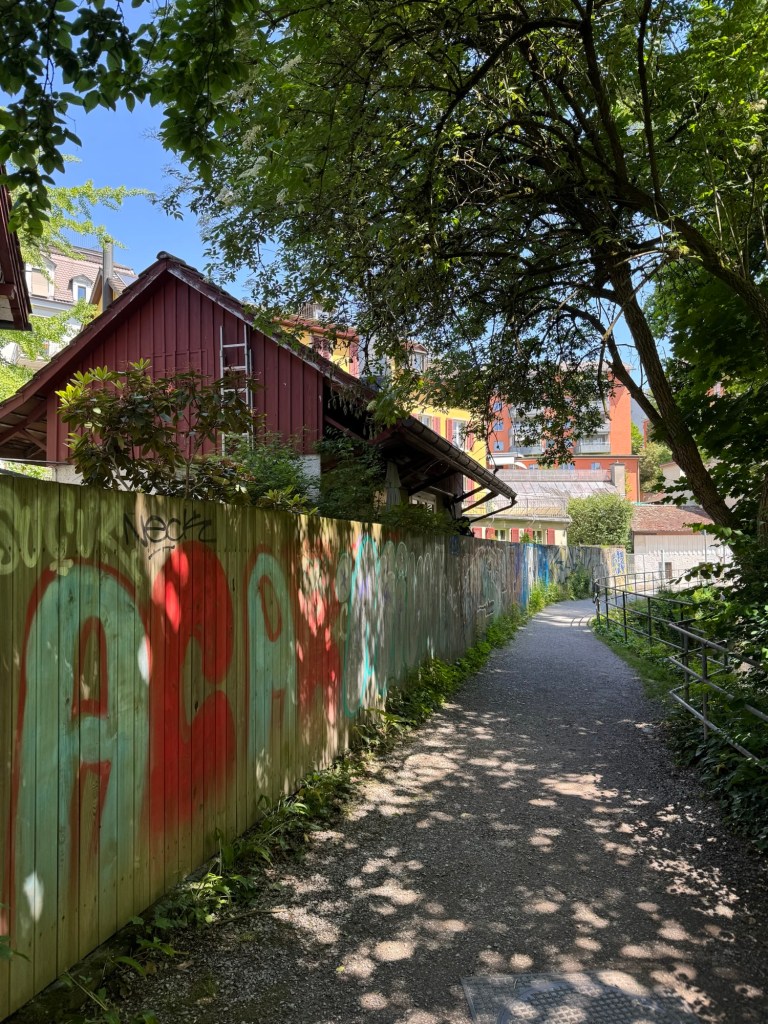
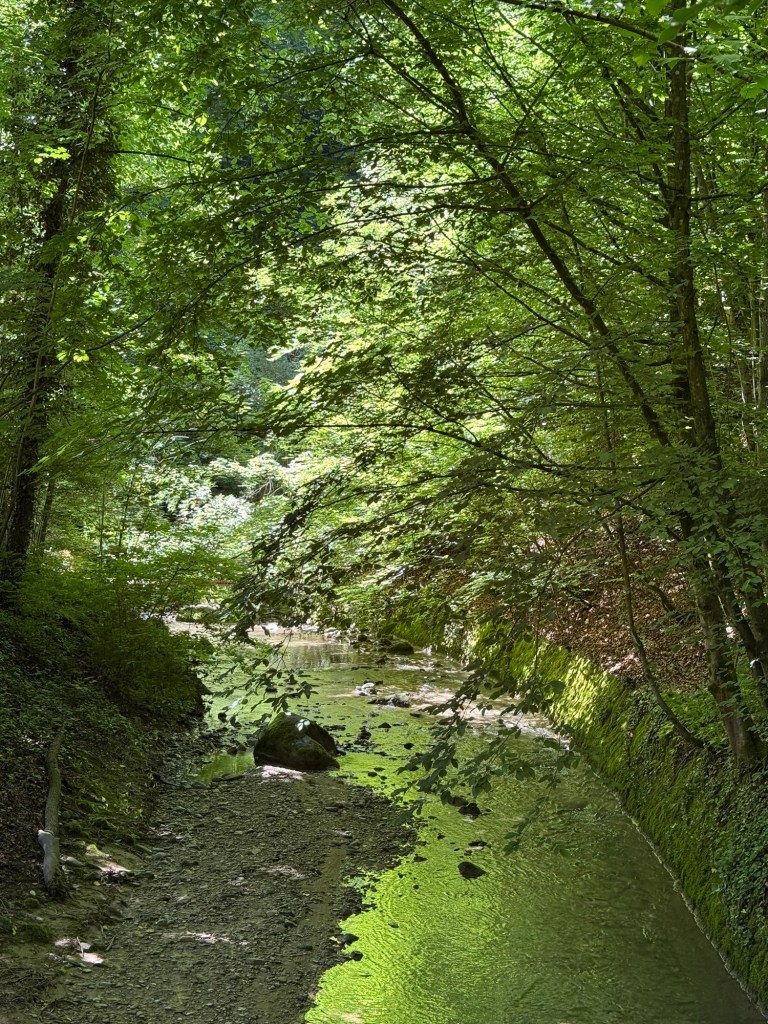
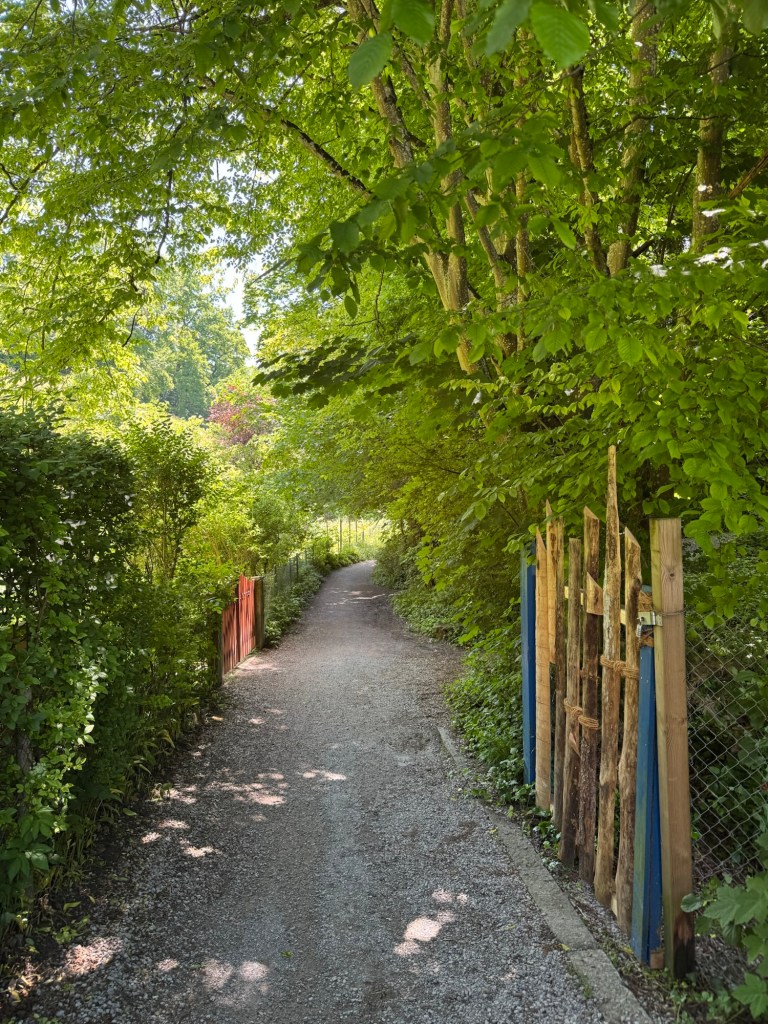
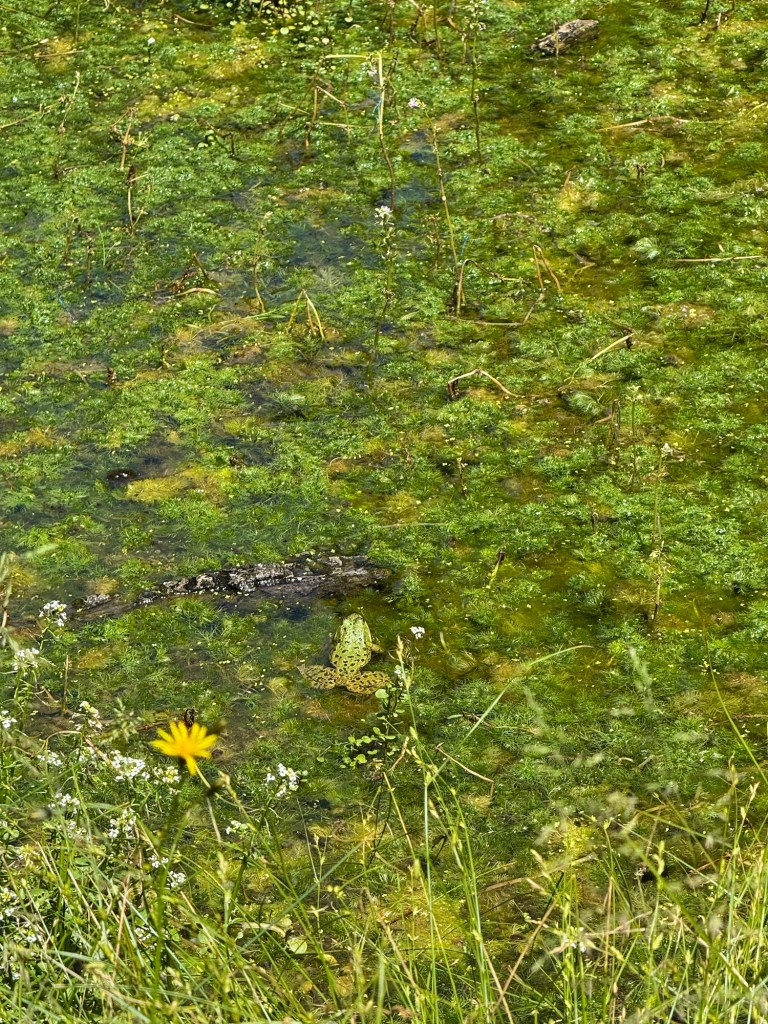
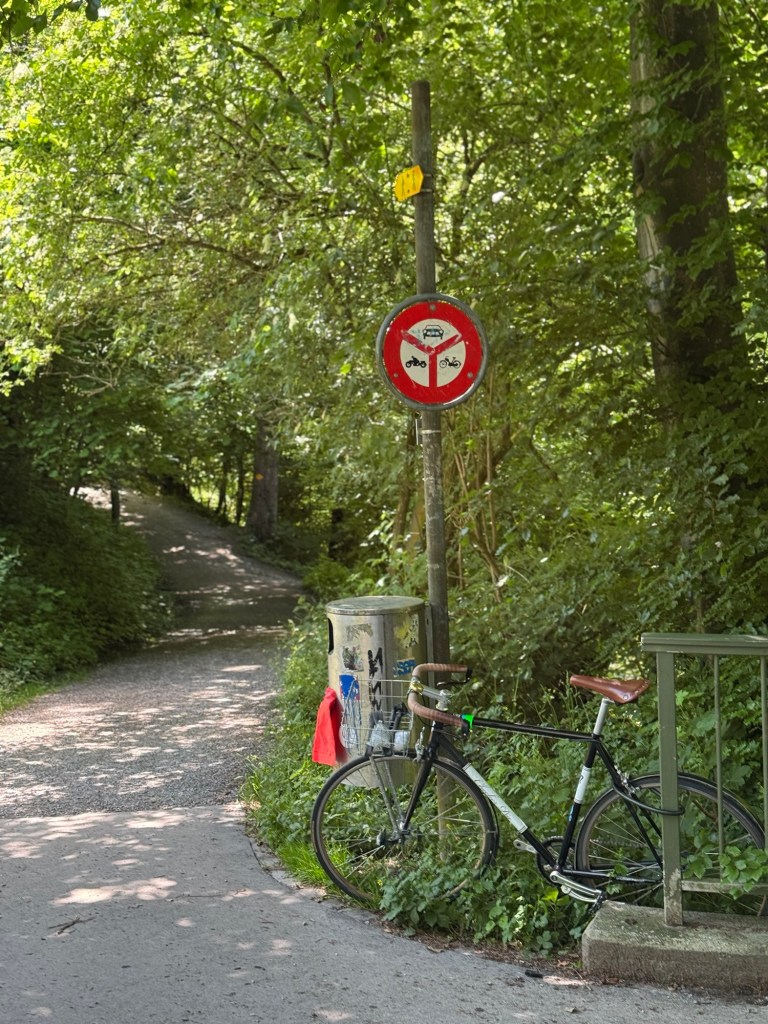
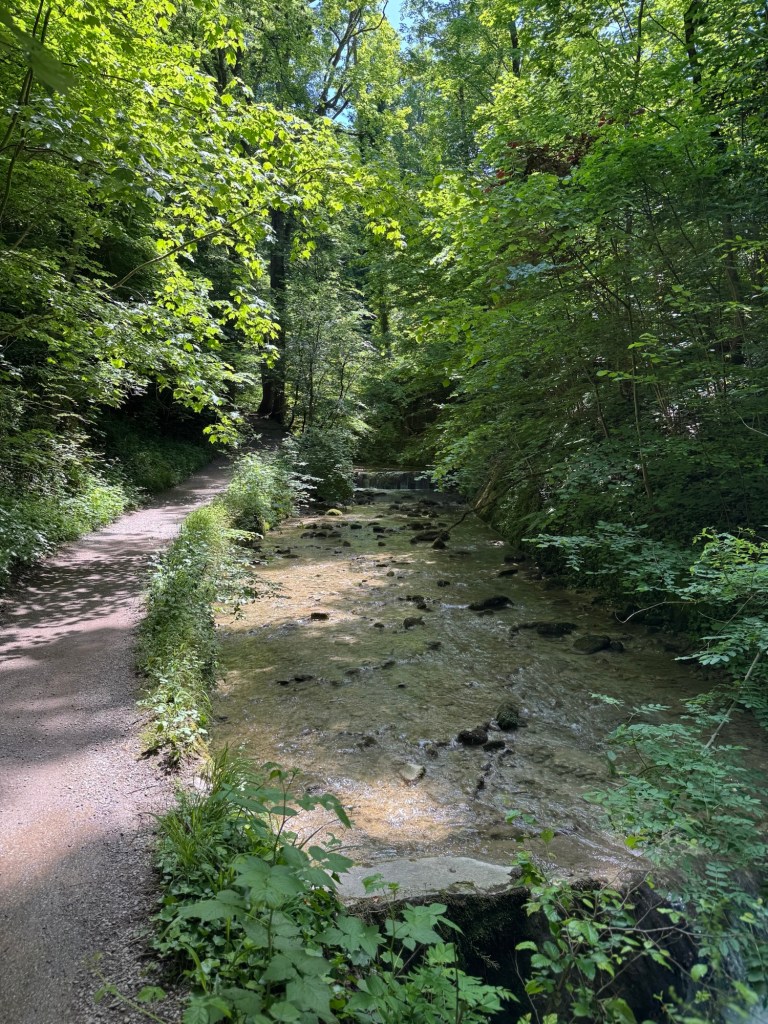
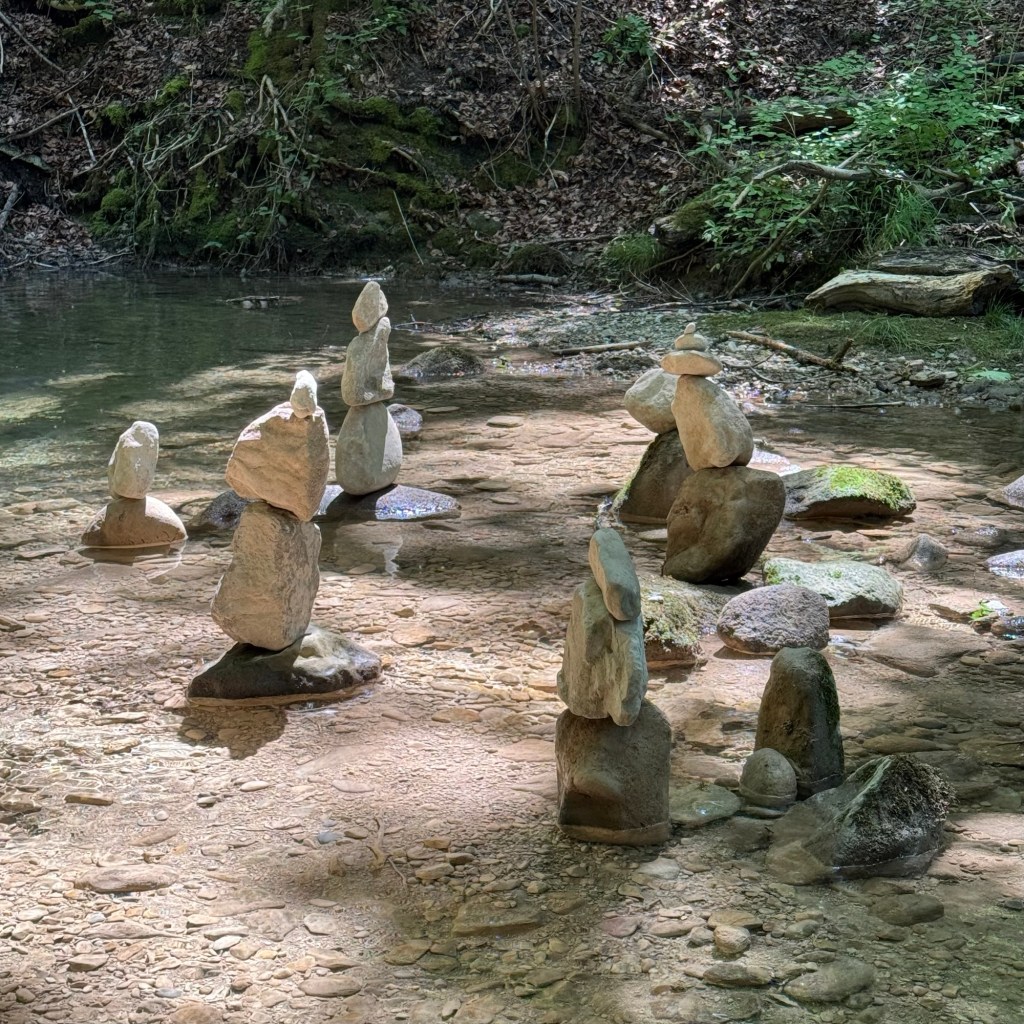
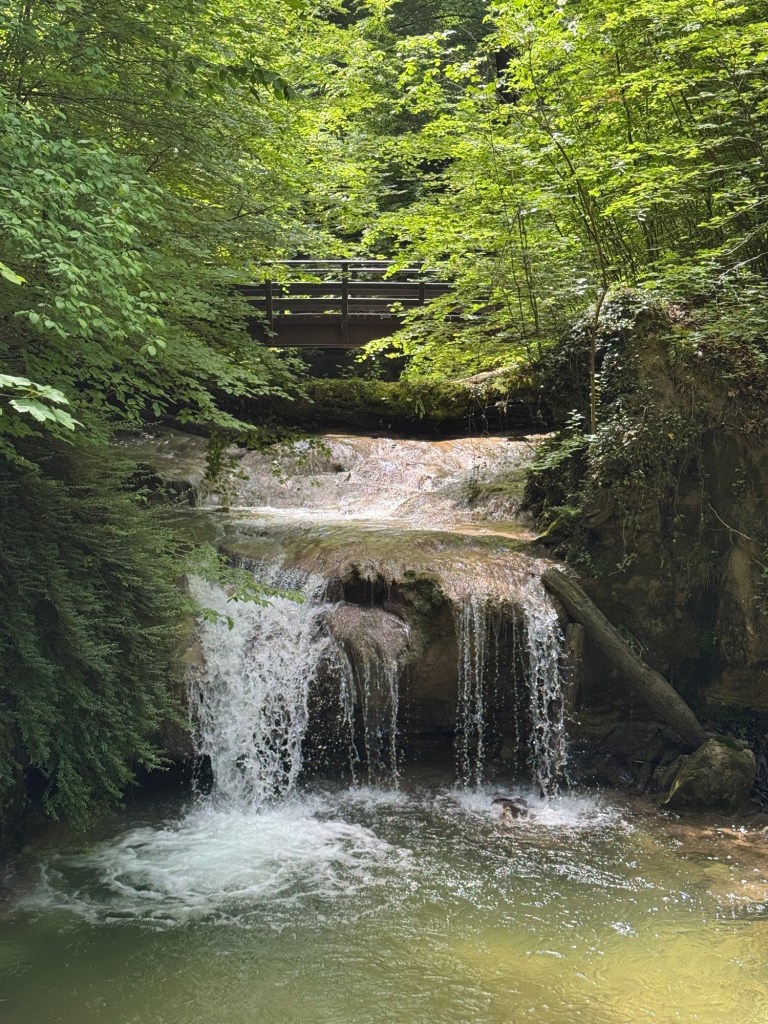
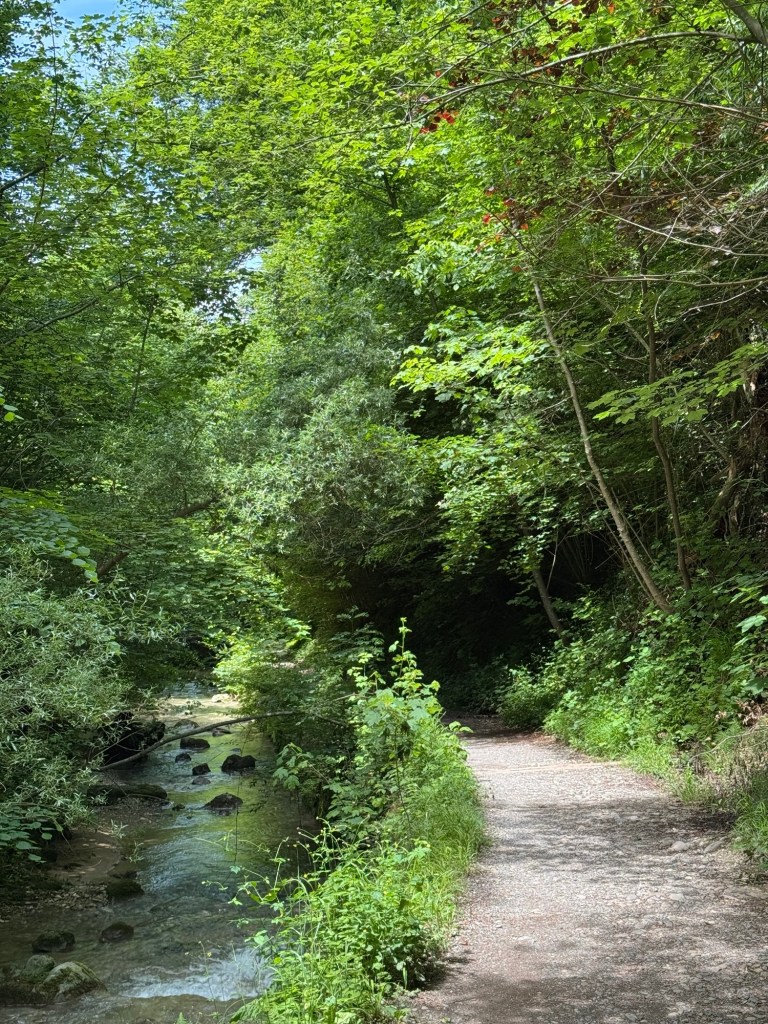
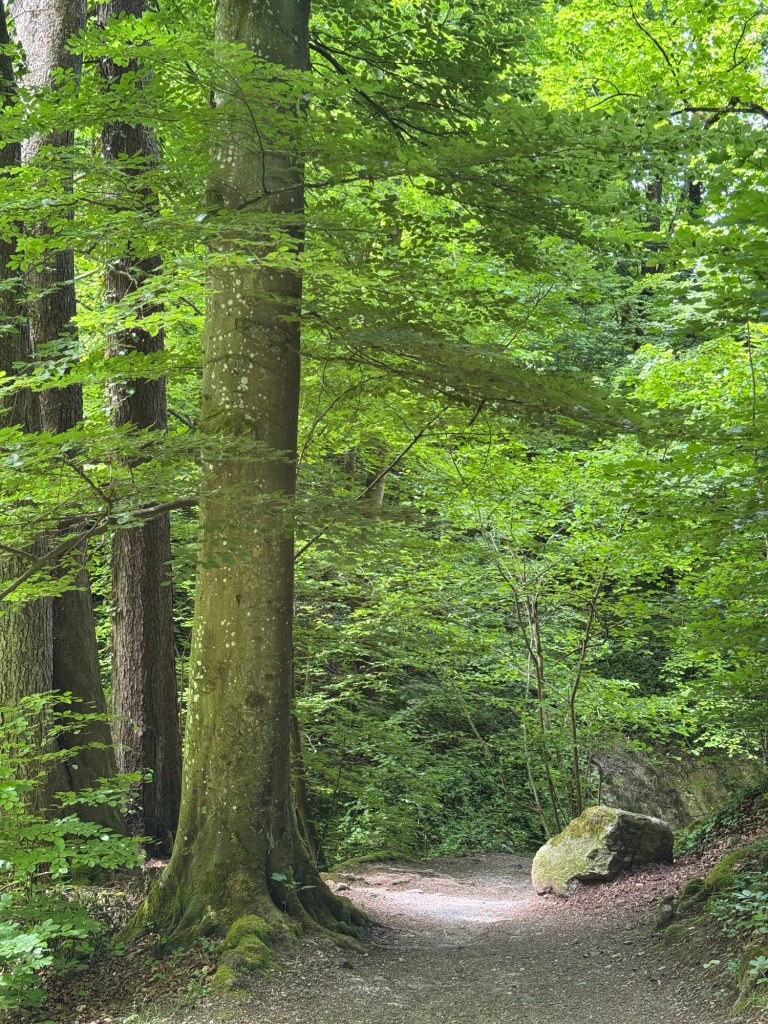
Любимый Вильдбах в июле-августе. Разные дни, те же тропинки.

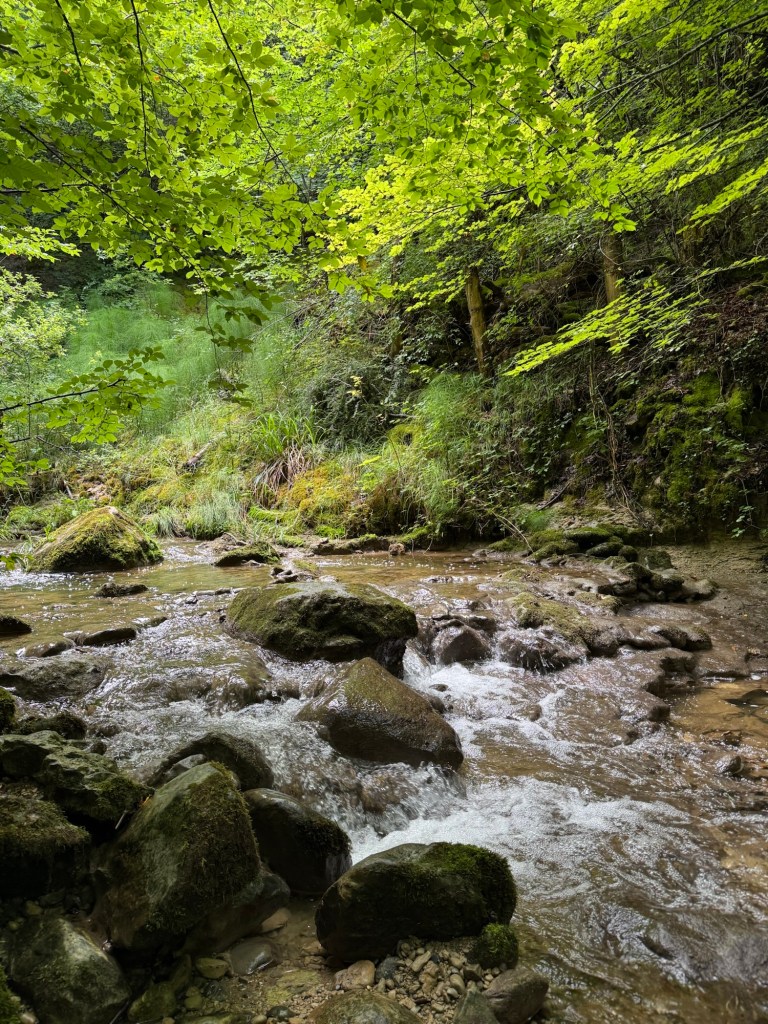




















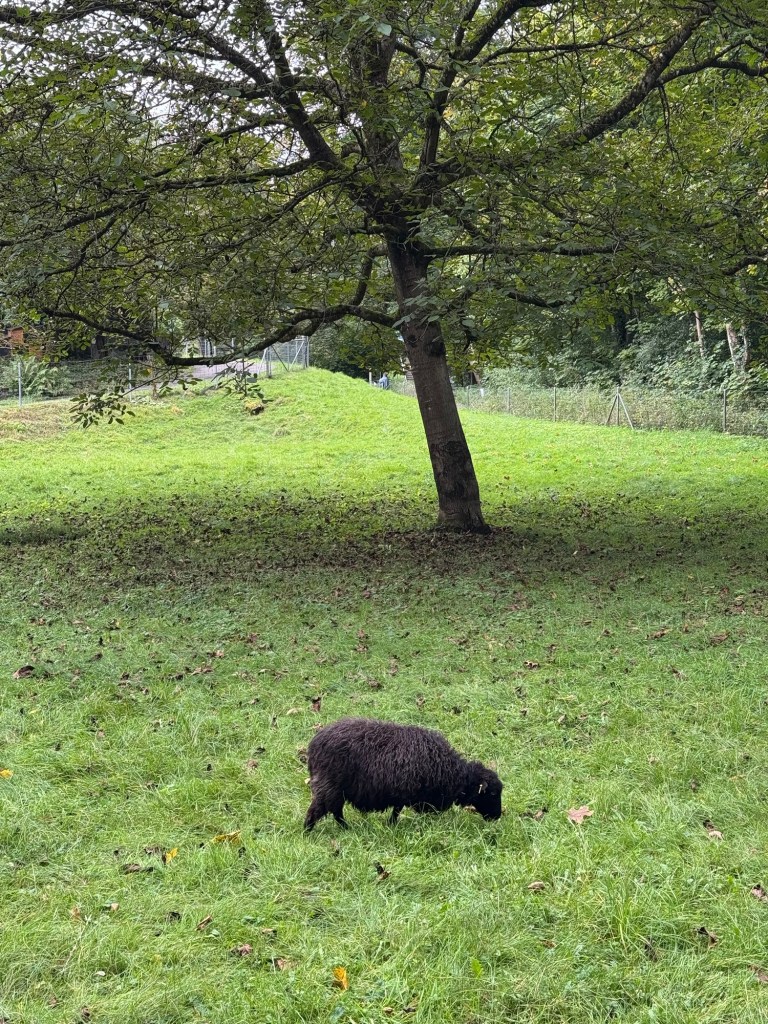
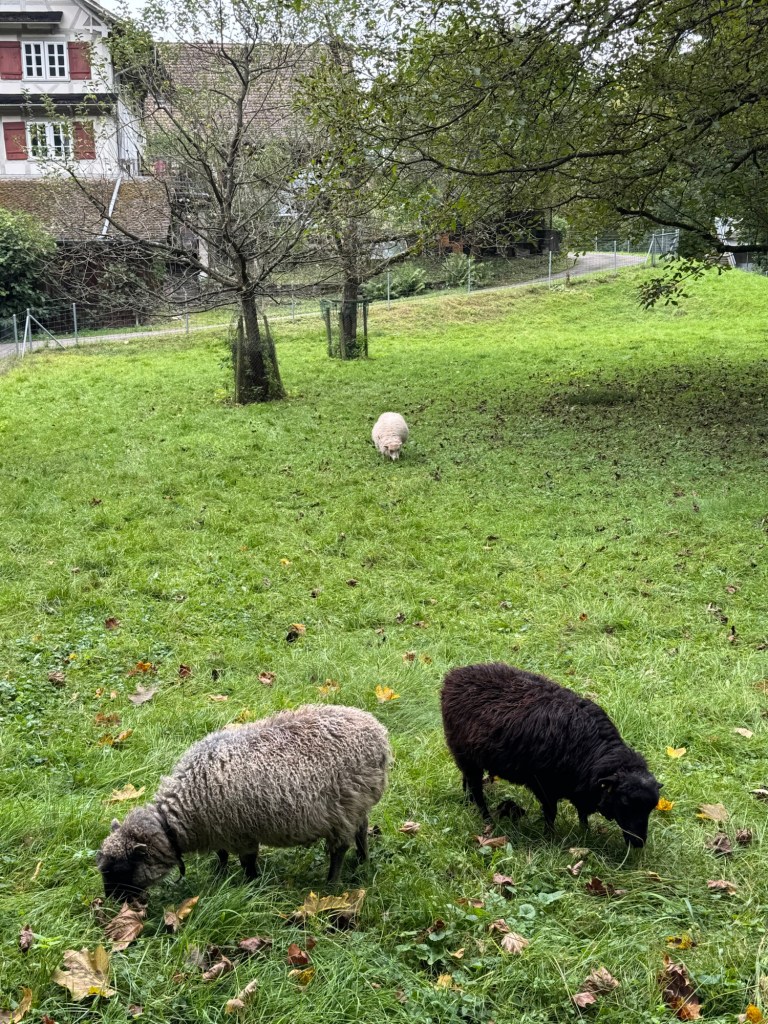
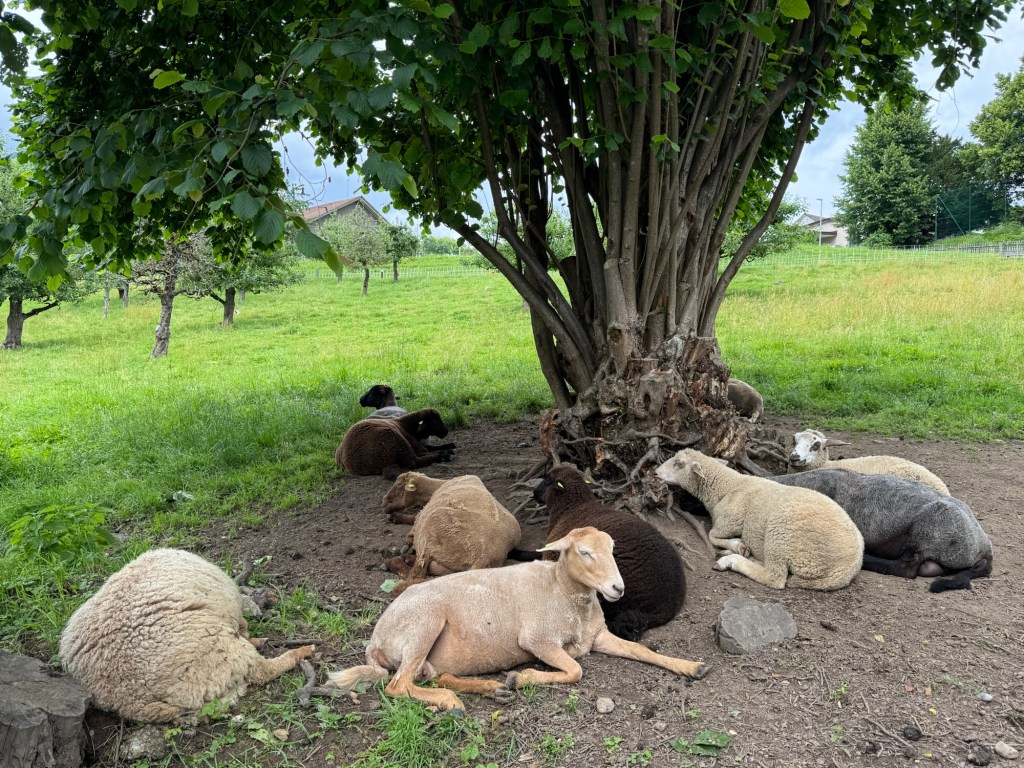
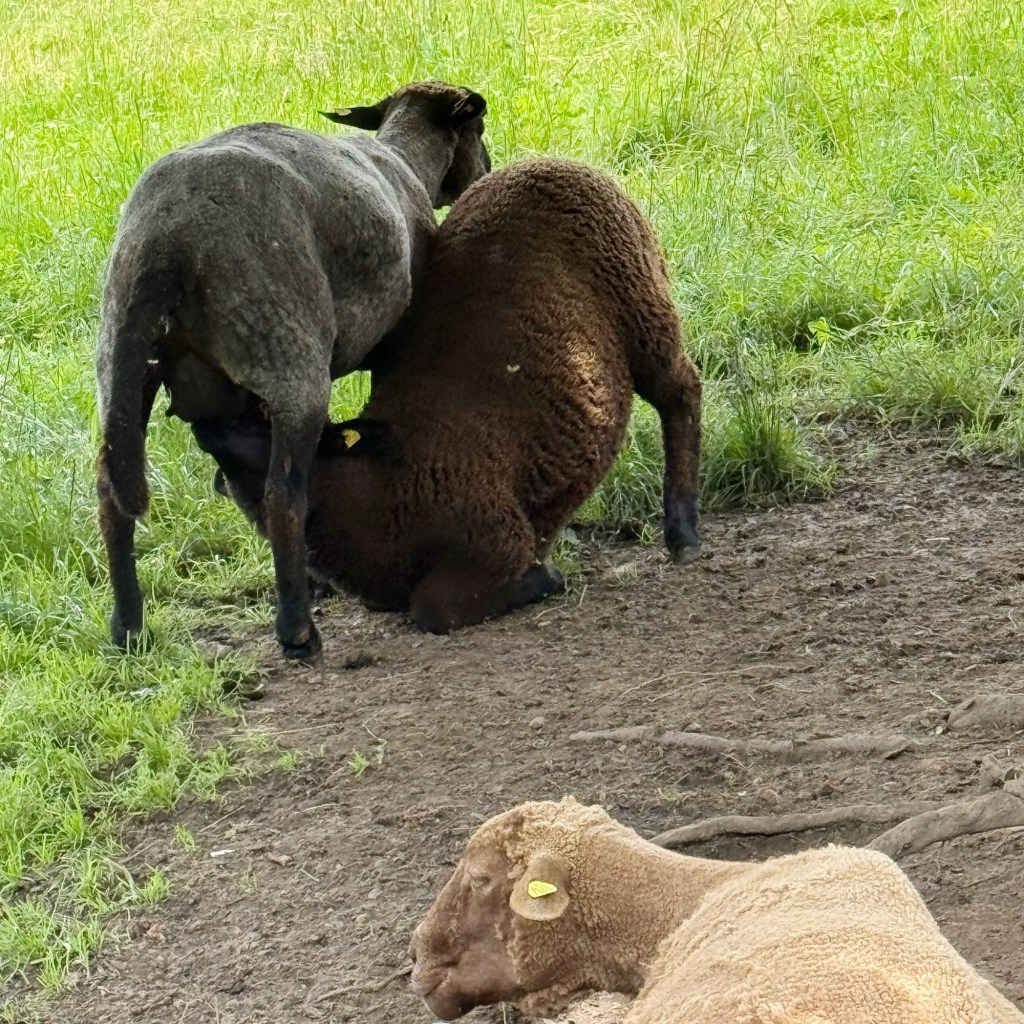
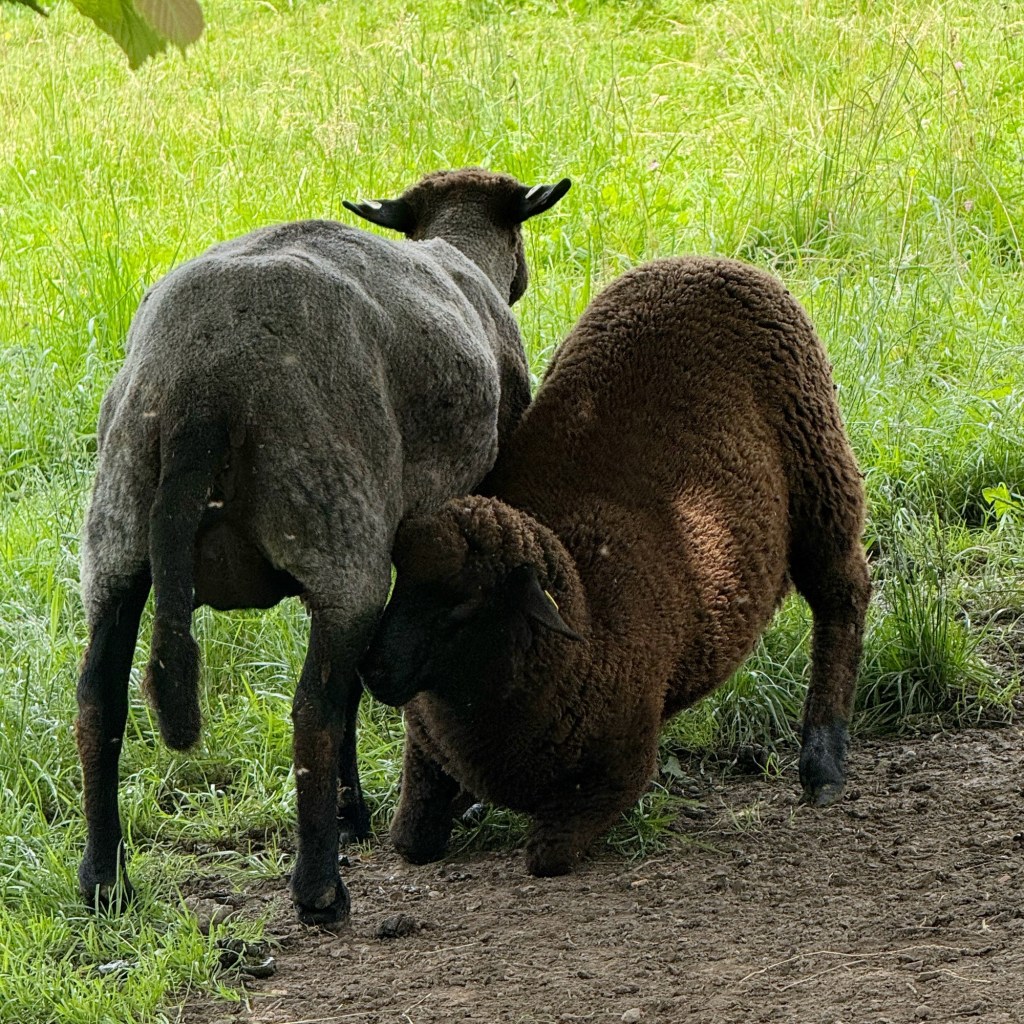
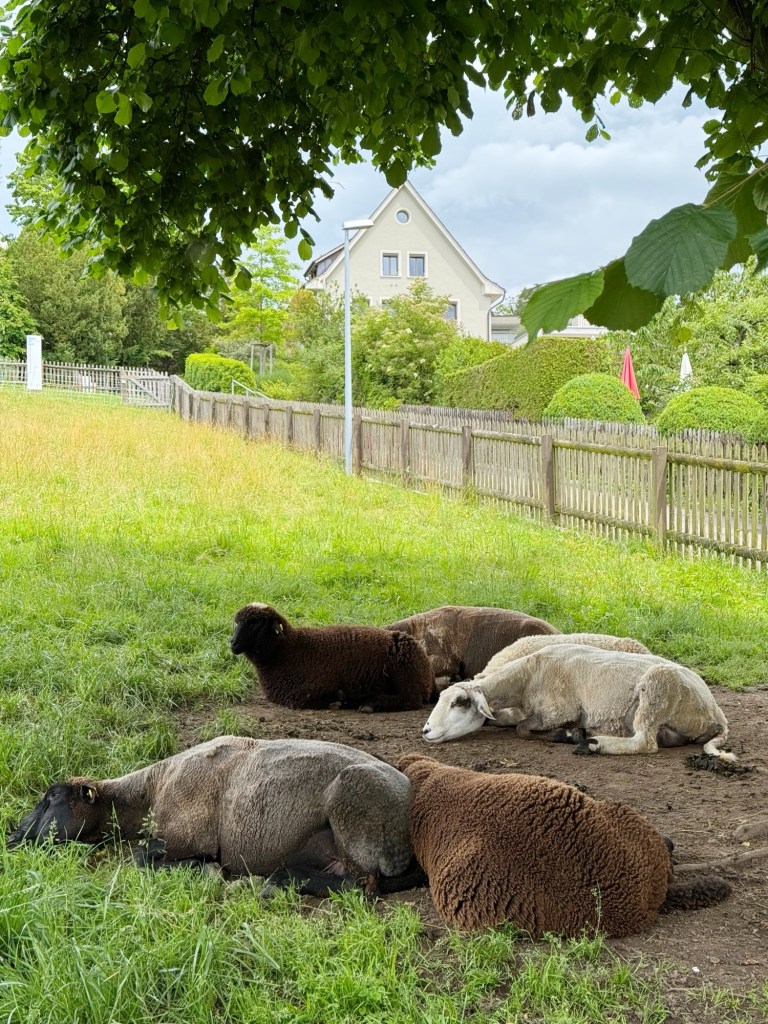
Цюрих вообще классный кантон: едешь себе по городу и вдруг бац! овечки. Или коровки.


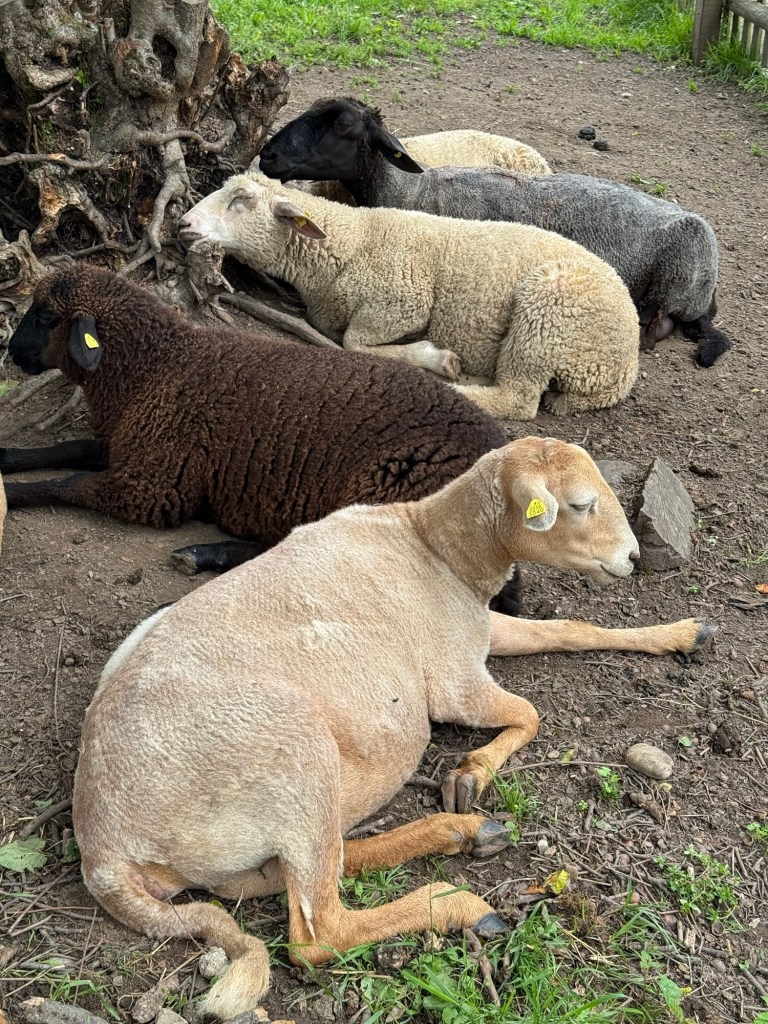

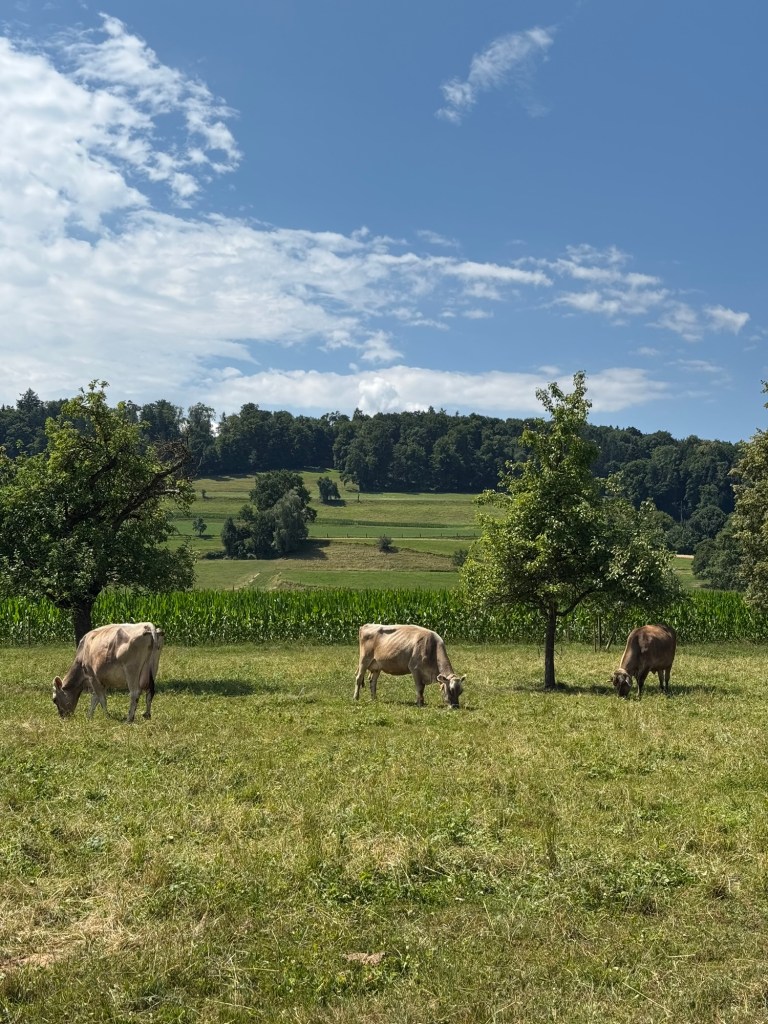

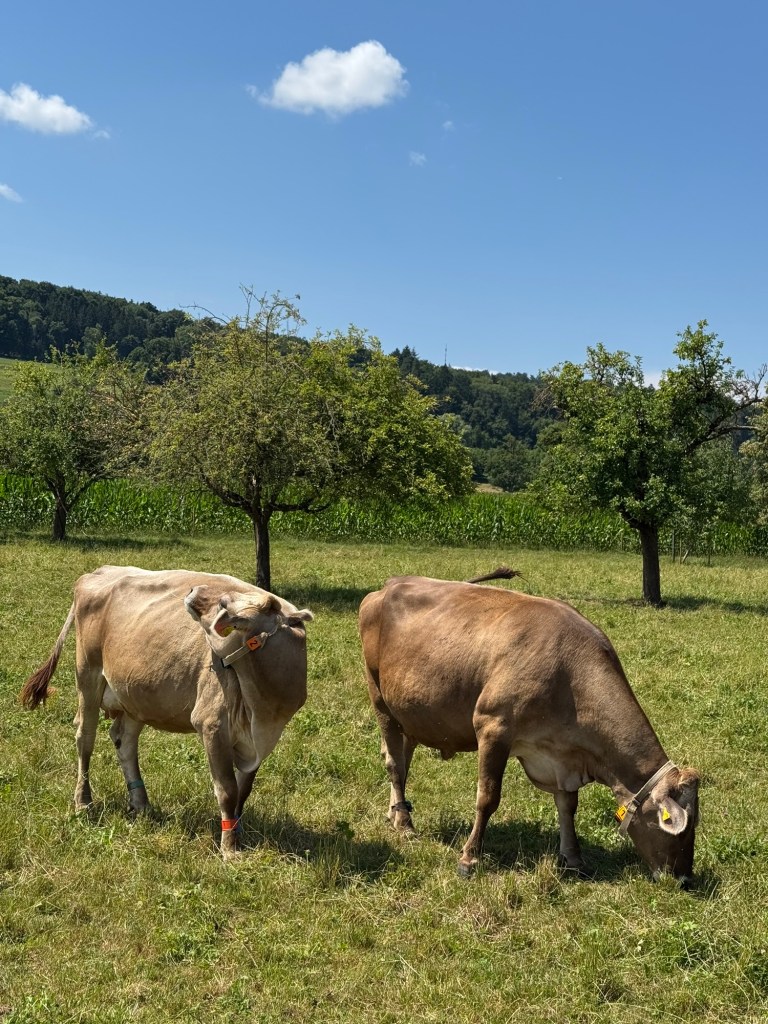
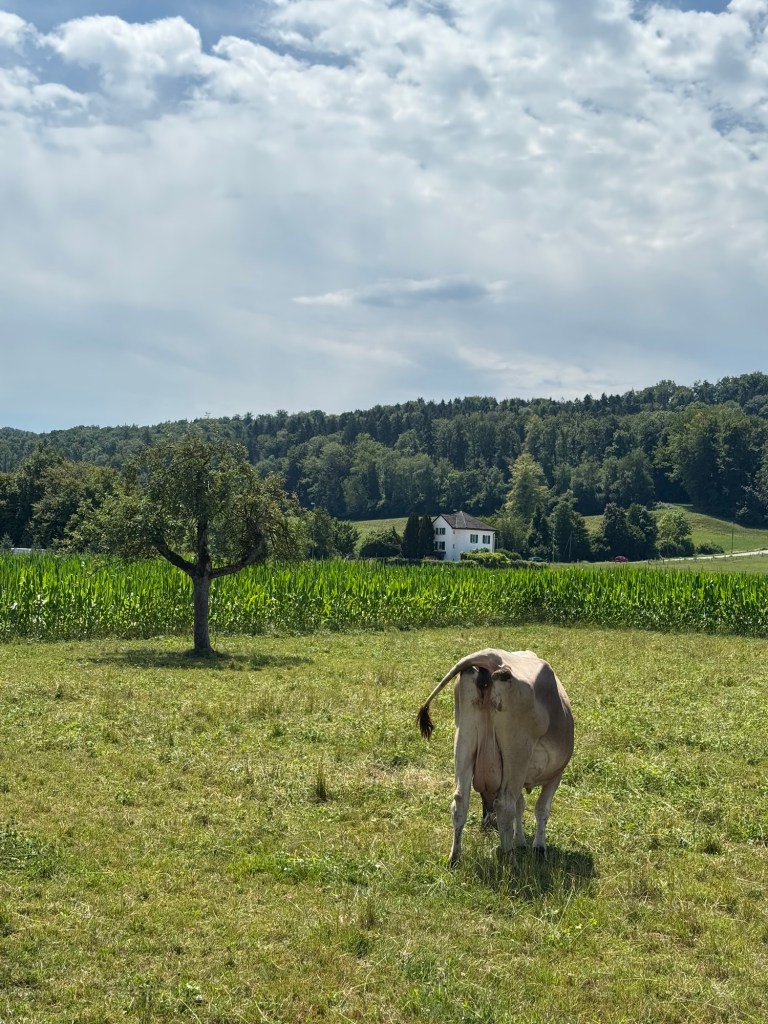
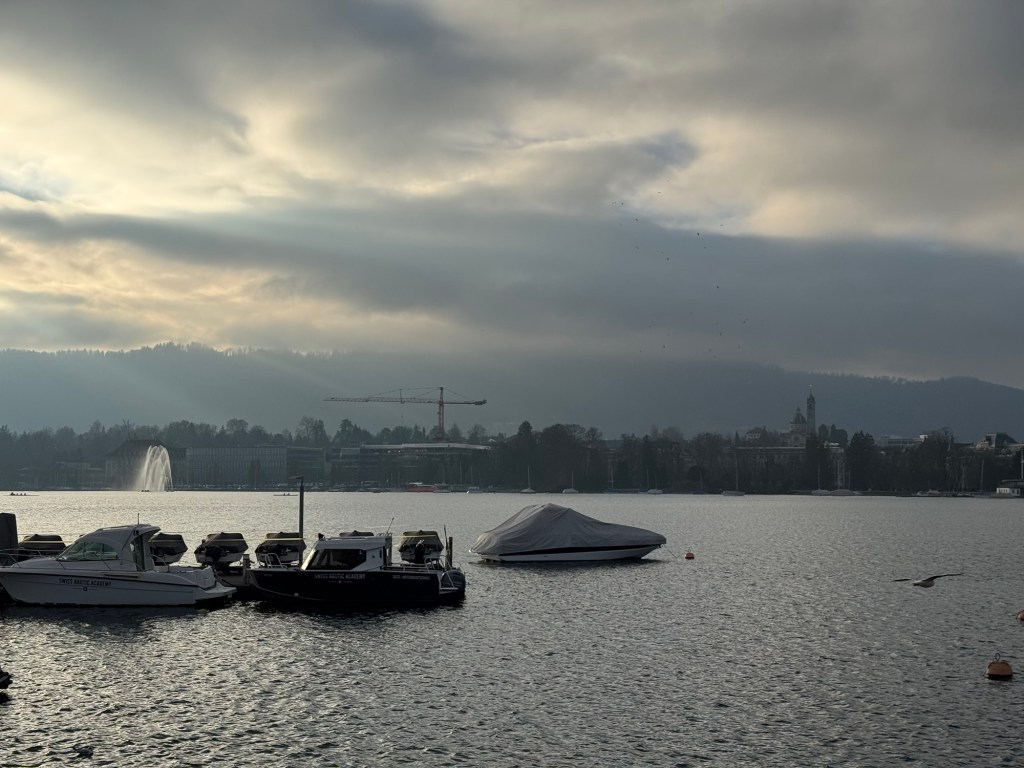
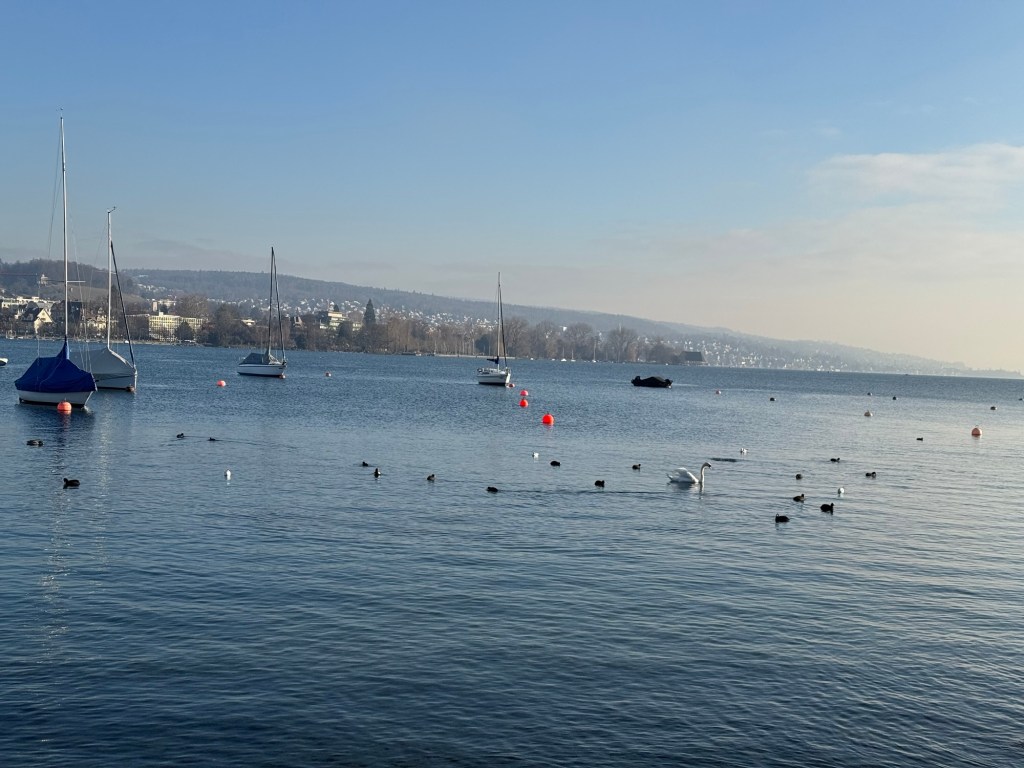
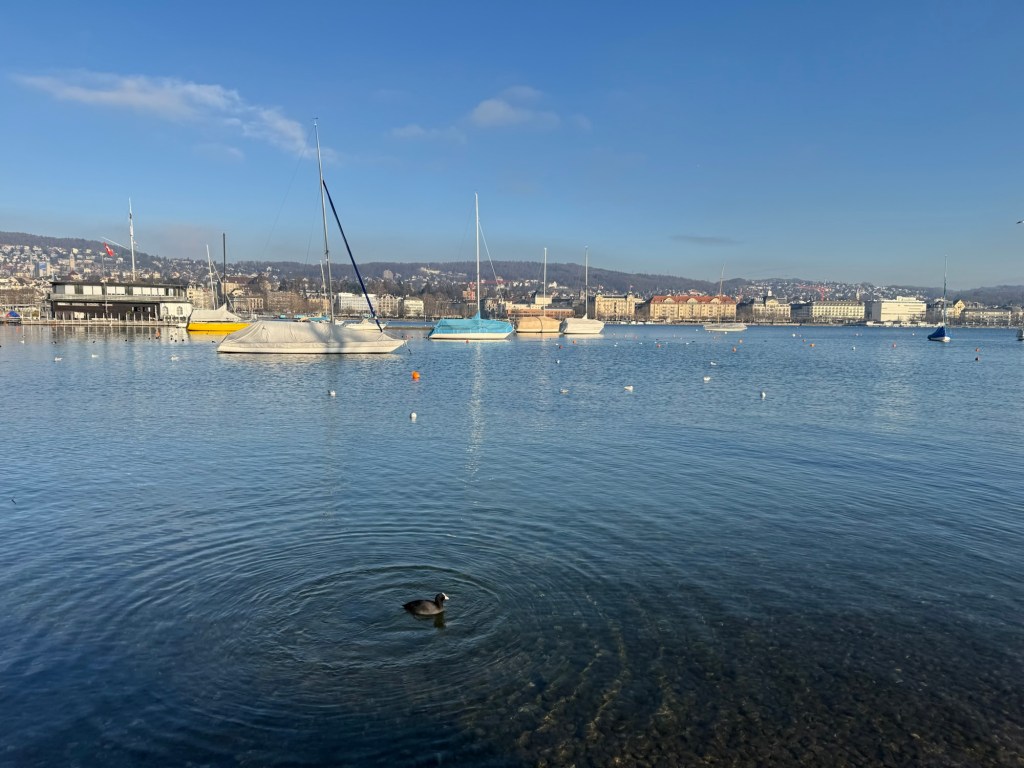
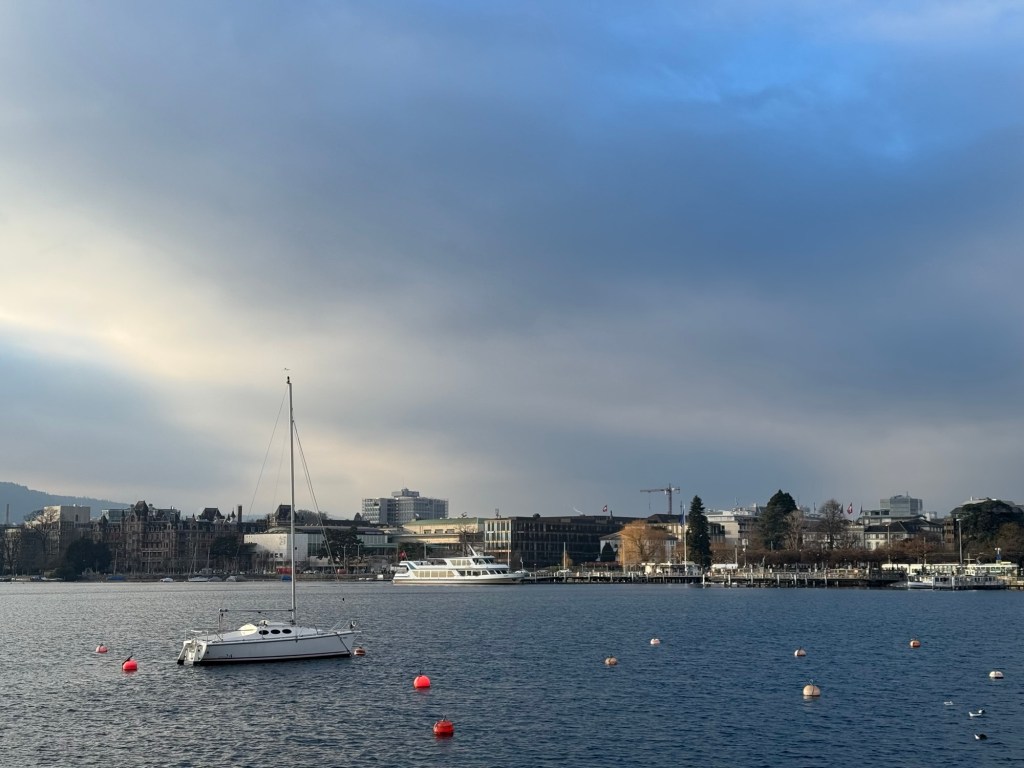
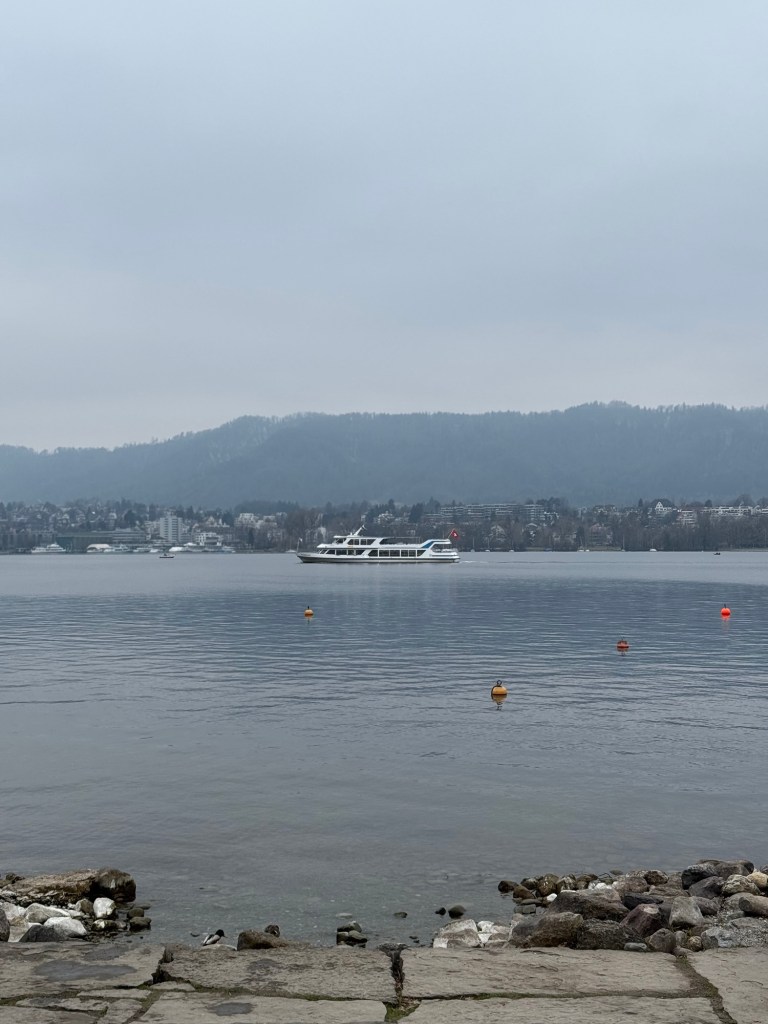
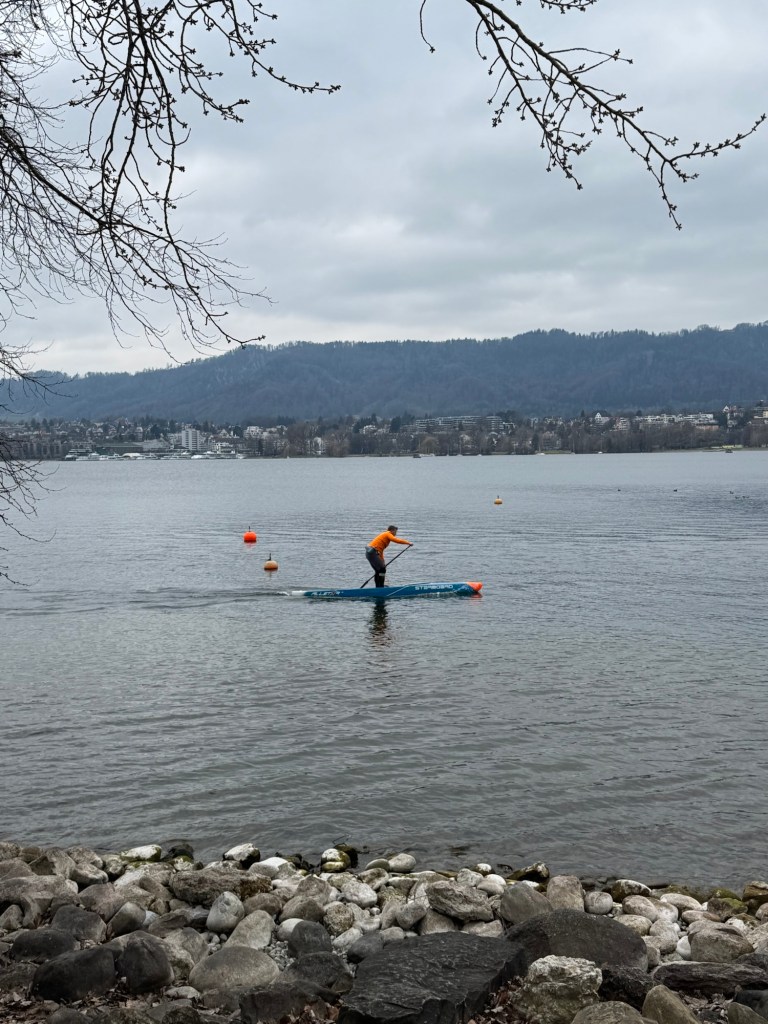
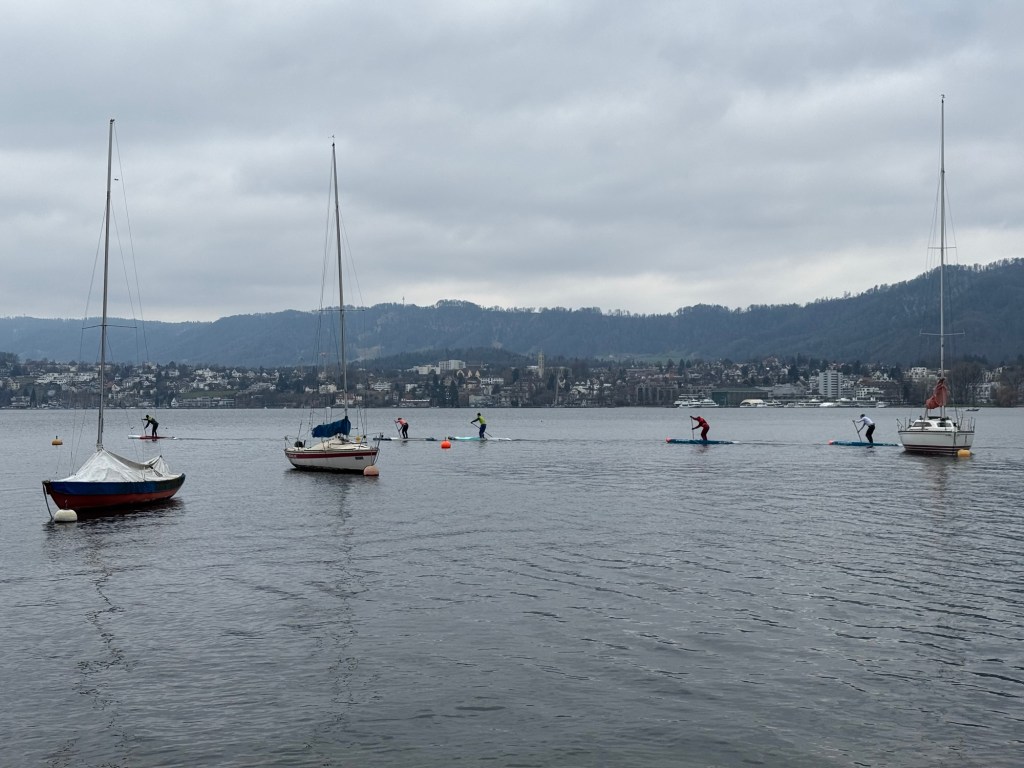
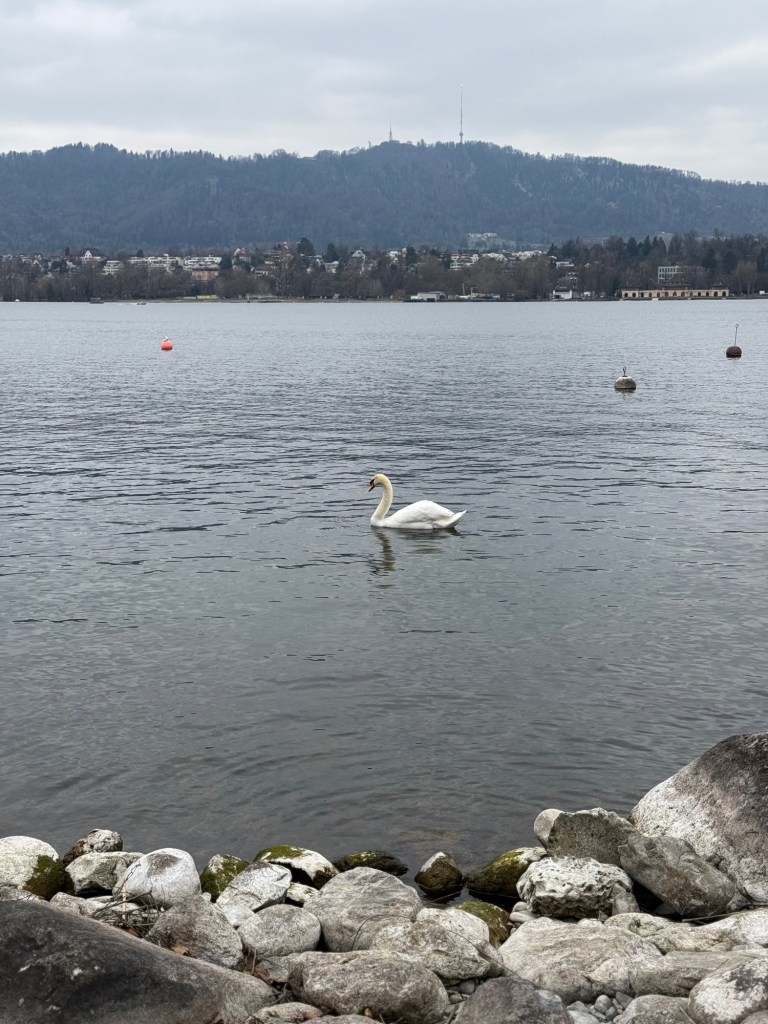
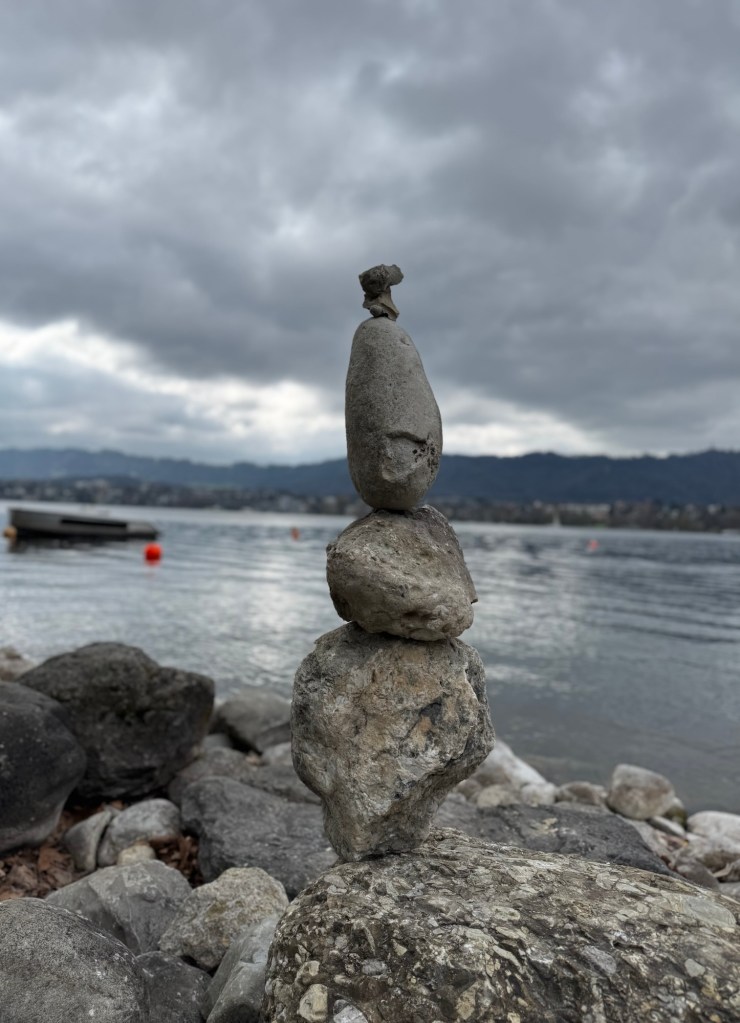
Недалеко от дома булькается Цюрихское озеро.

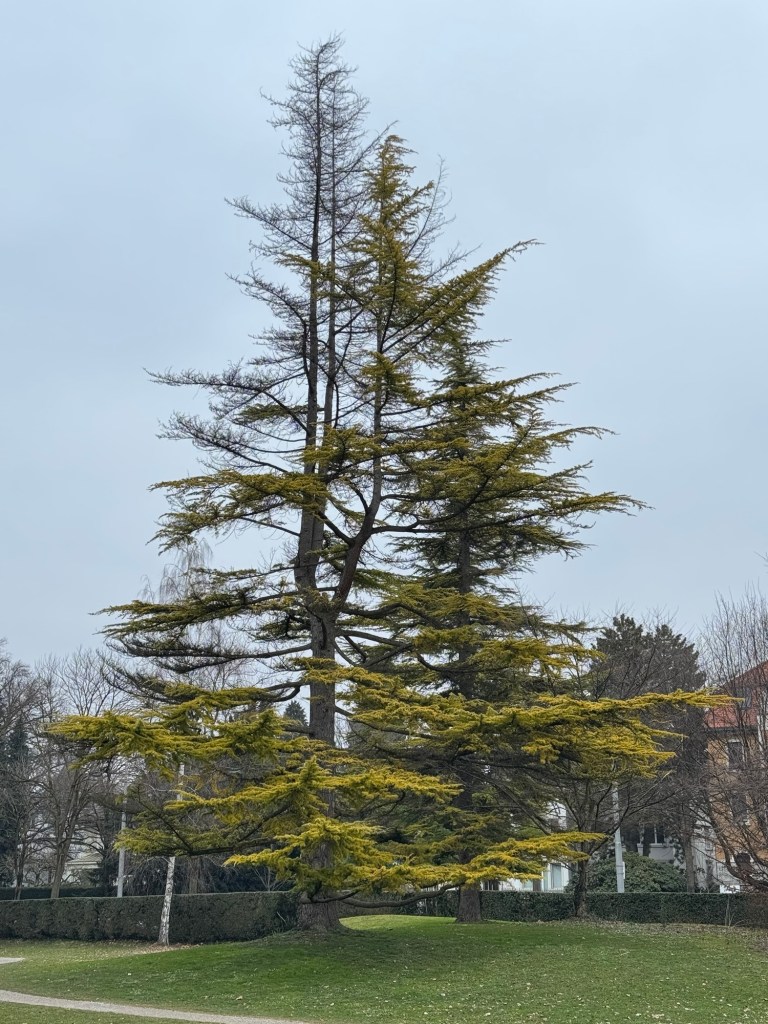
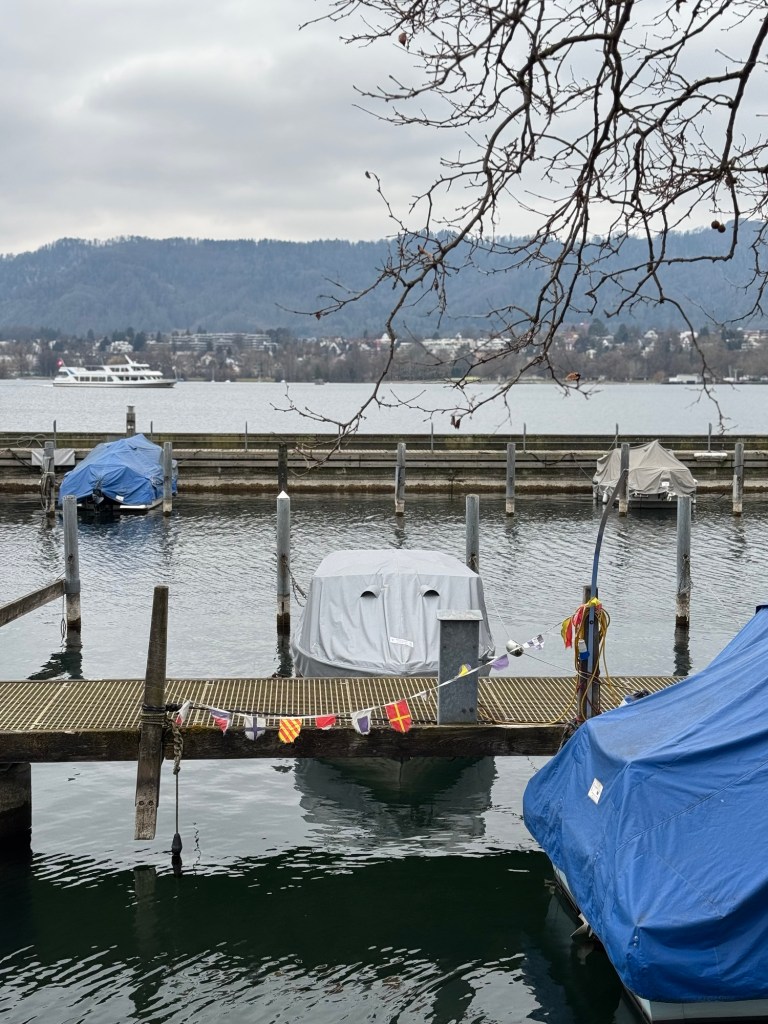


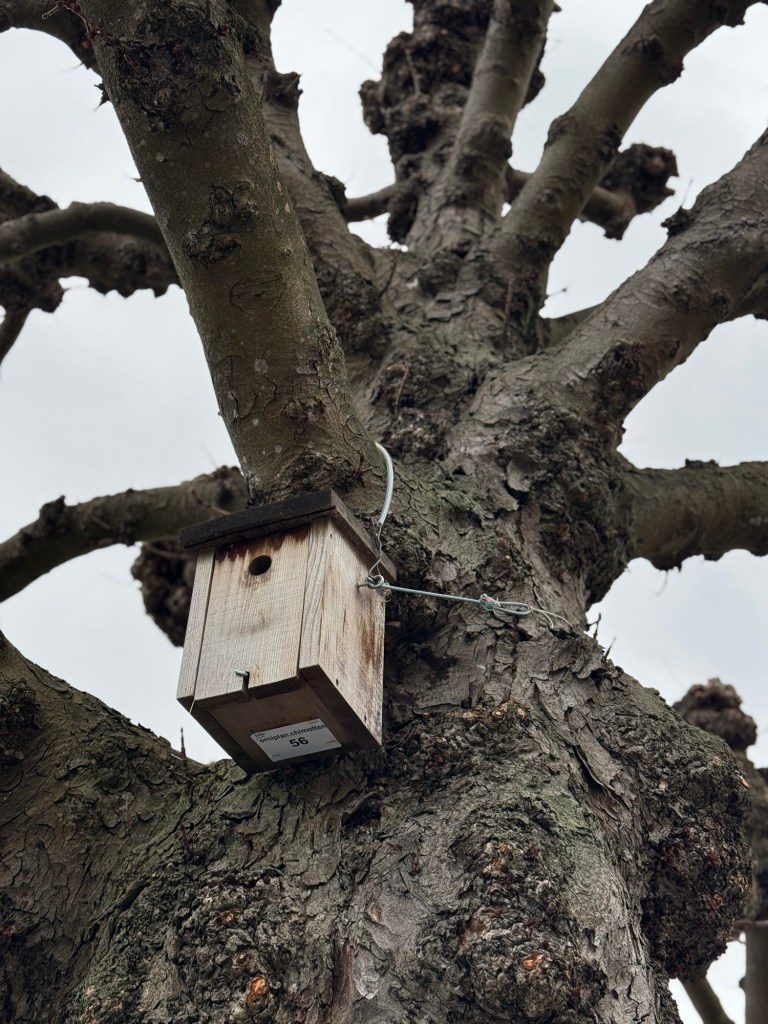

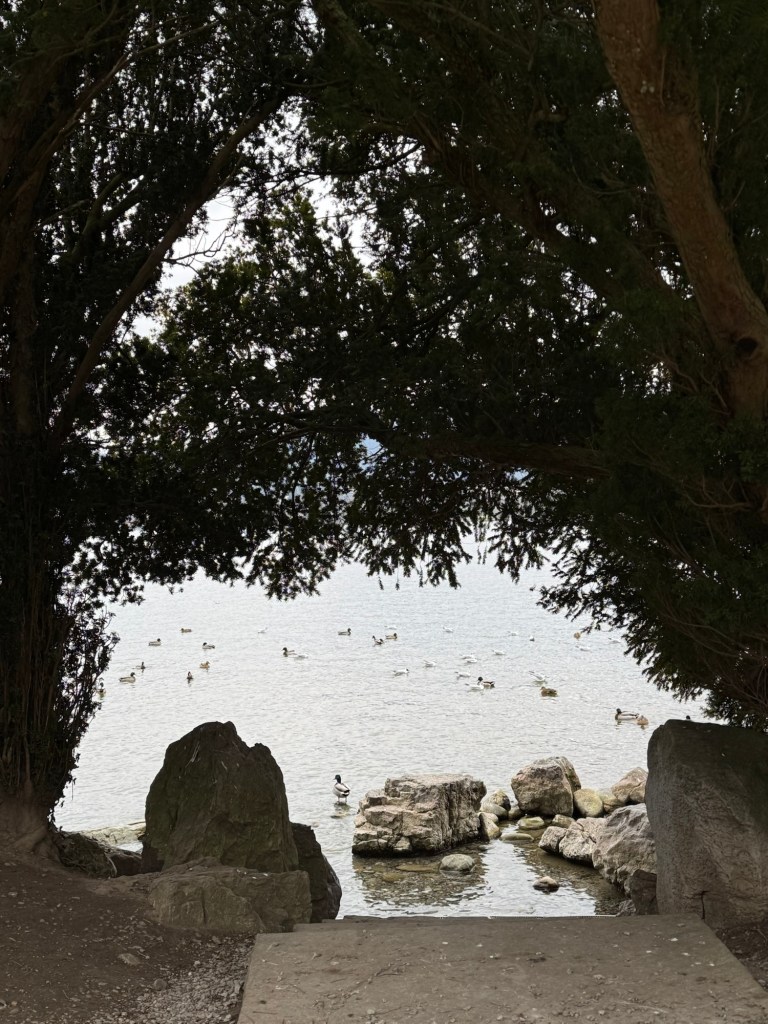

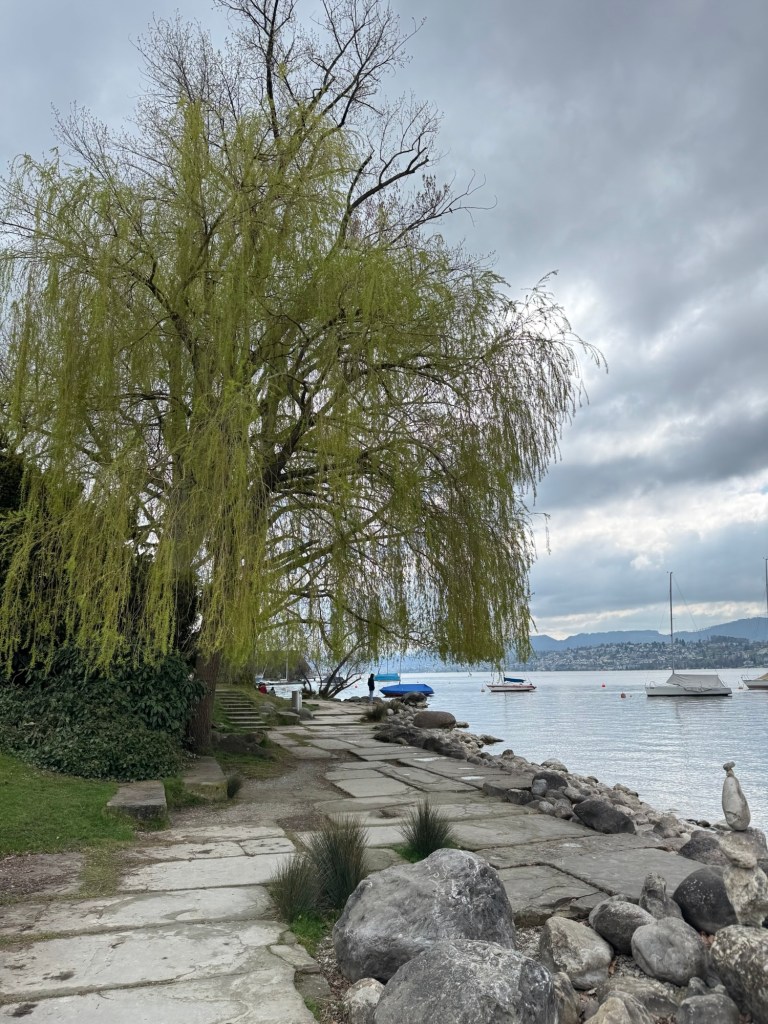
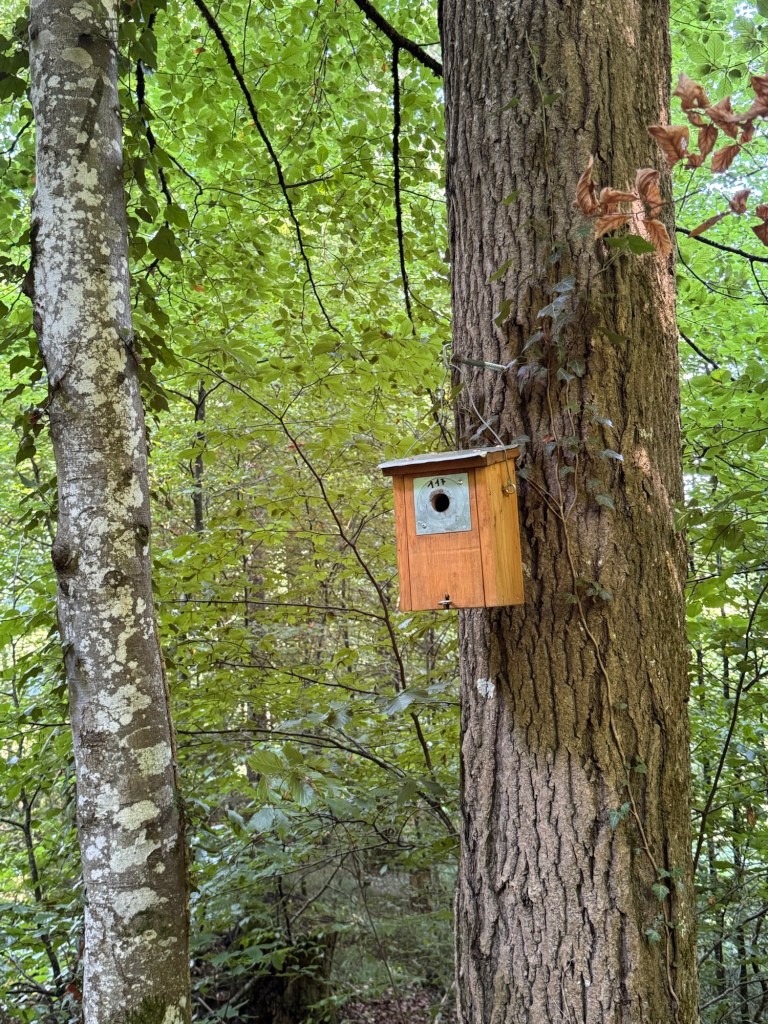
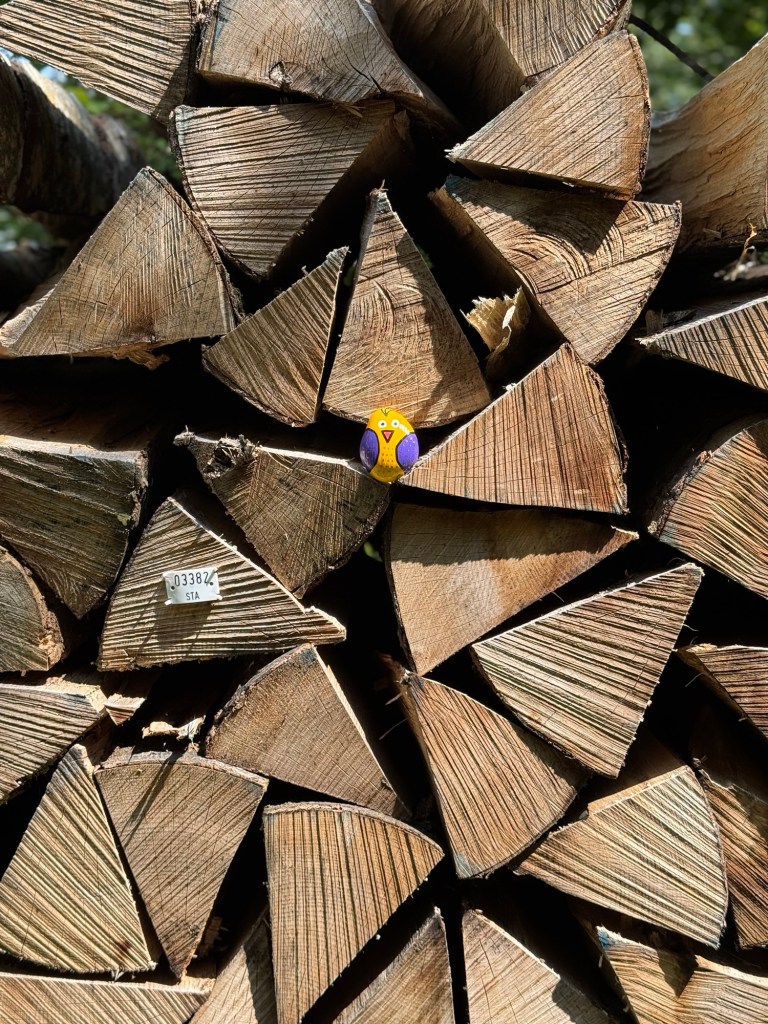
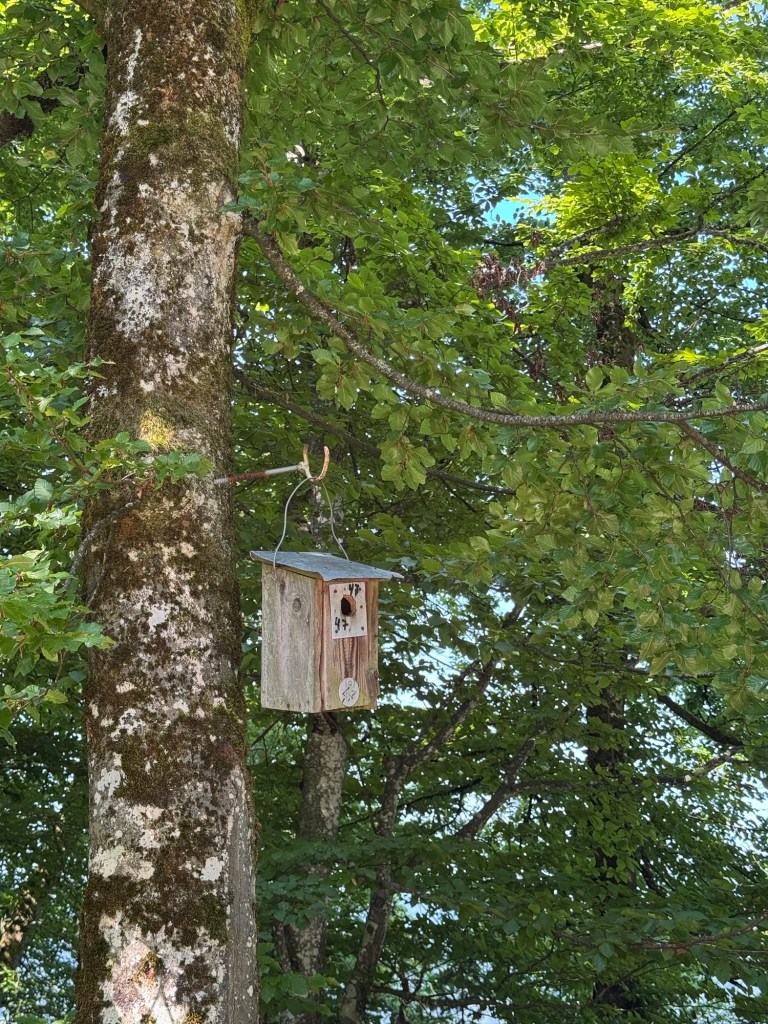
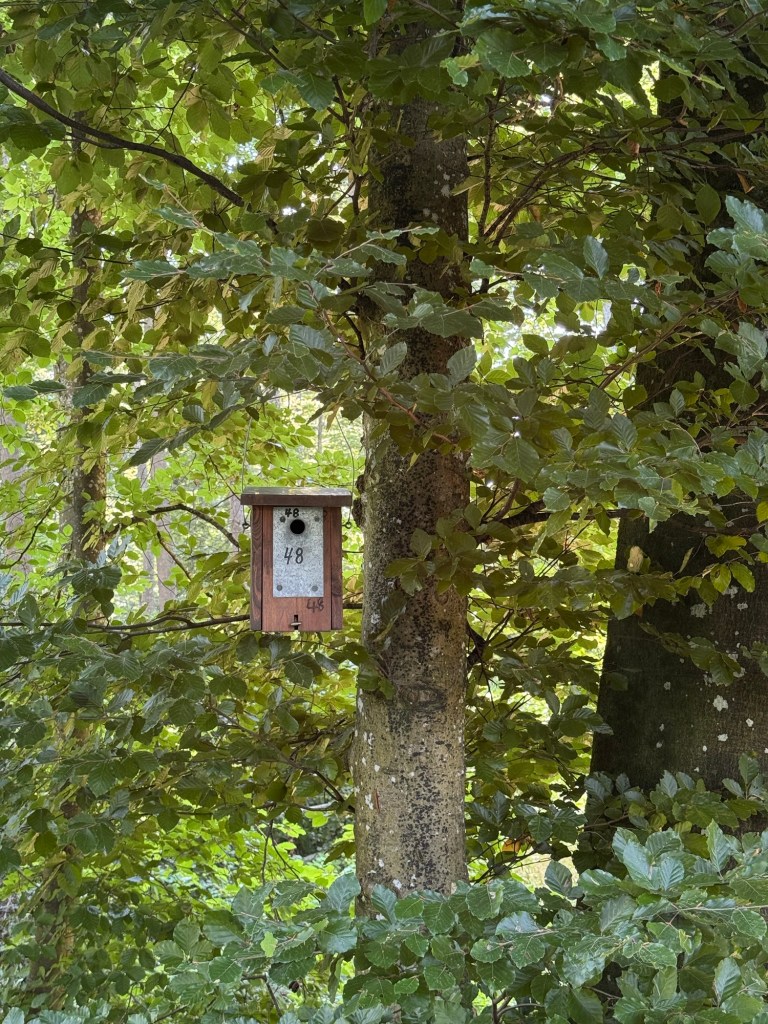
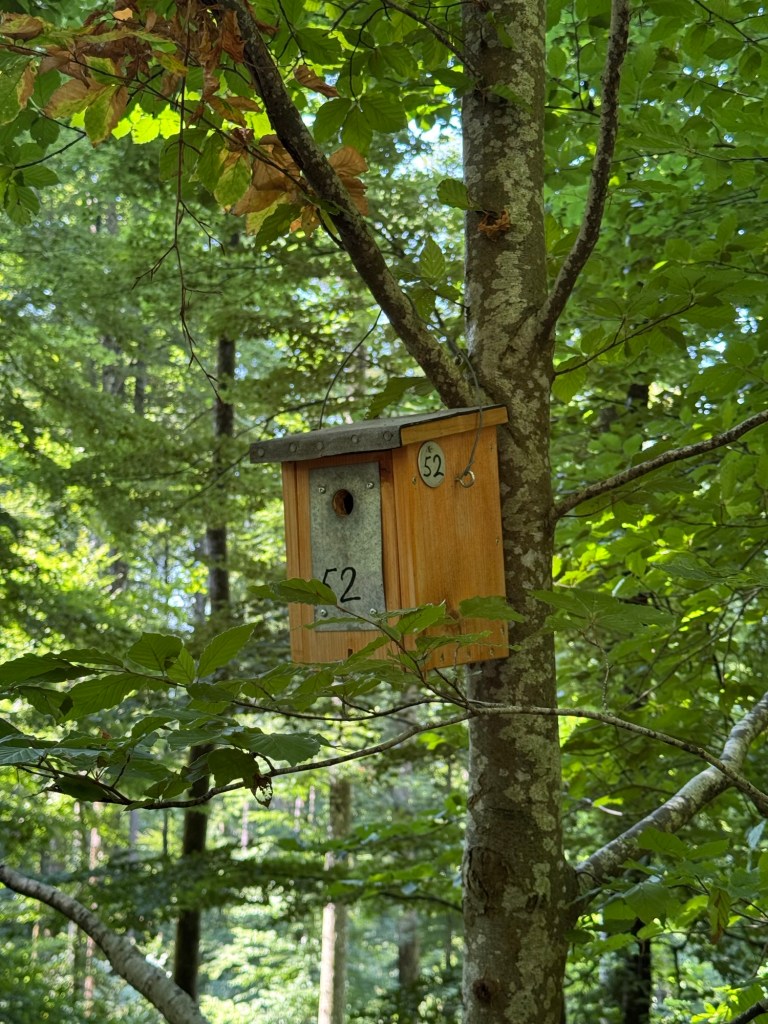
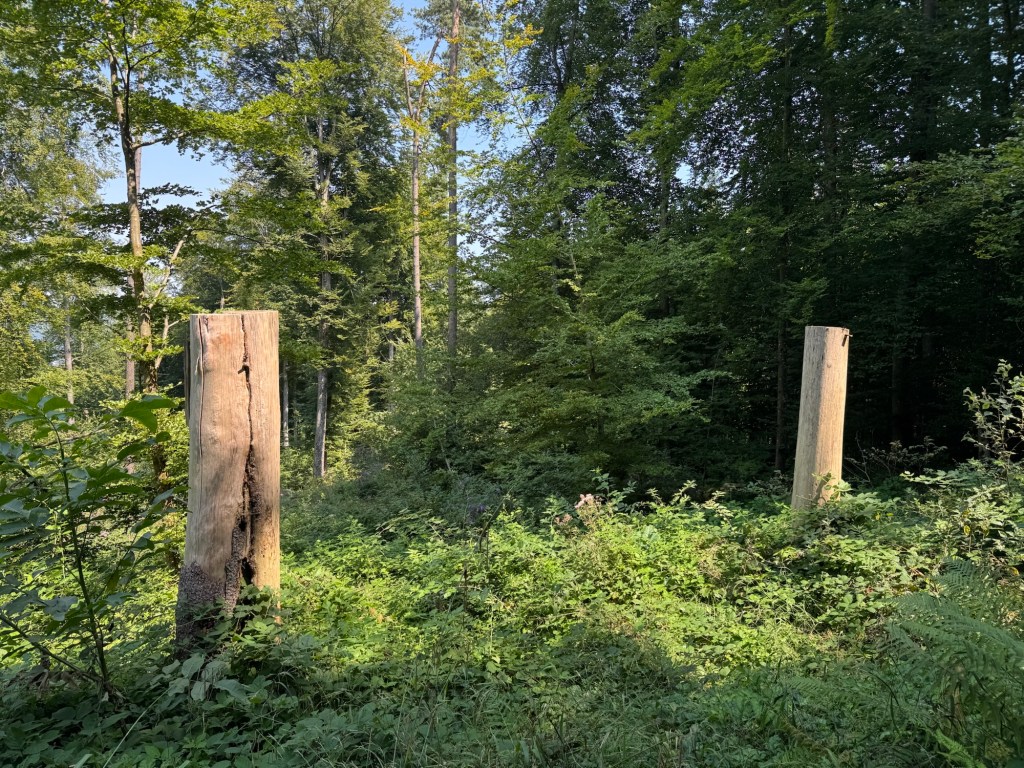
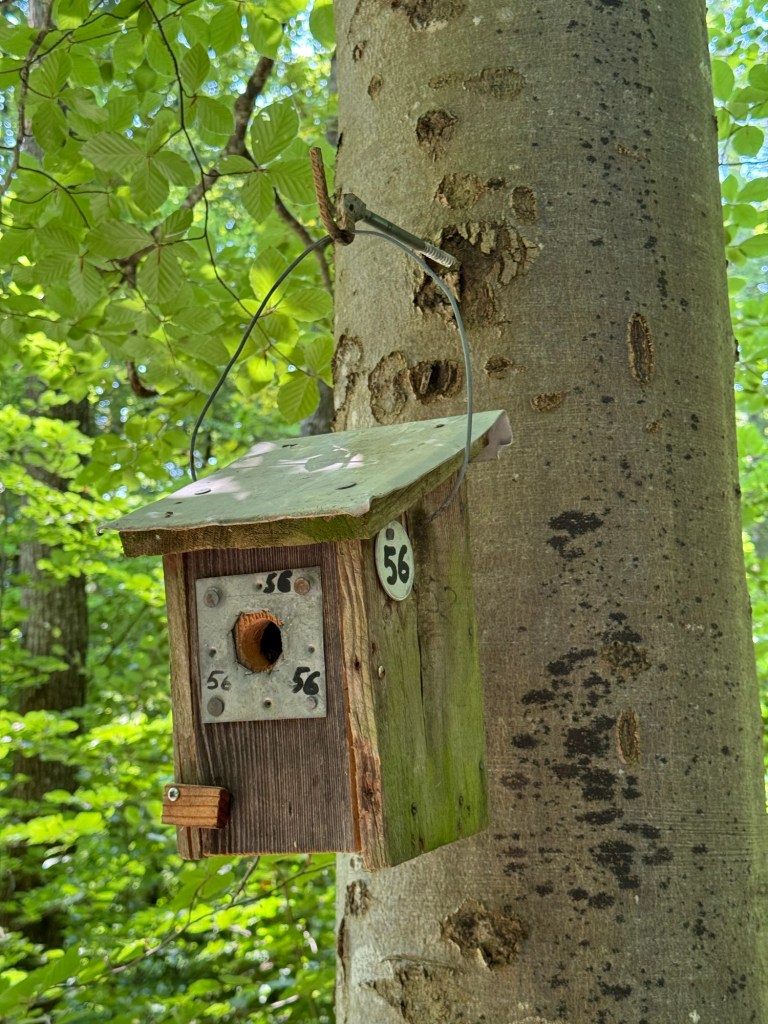
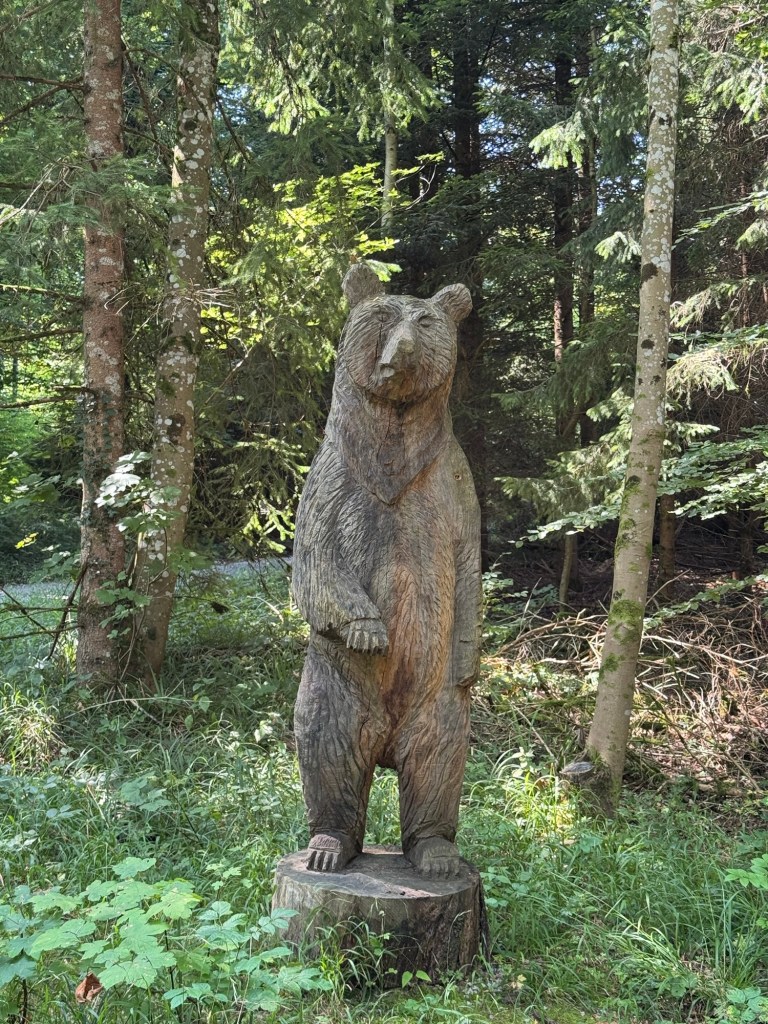
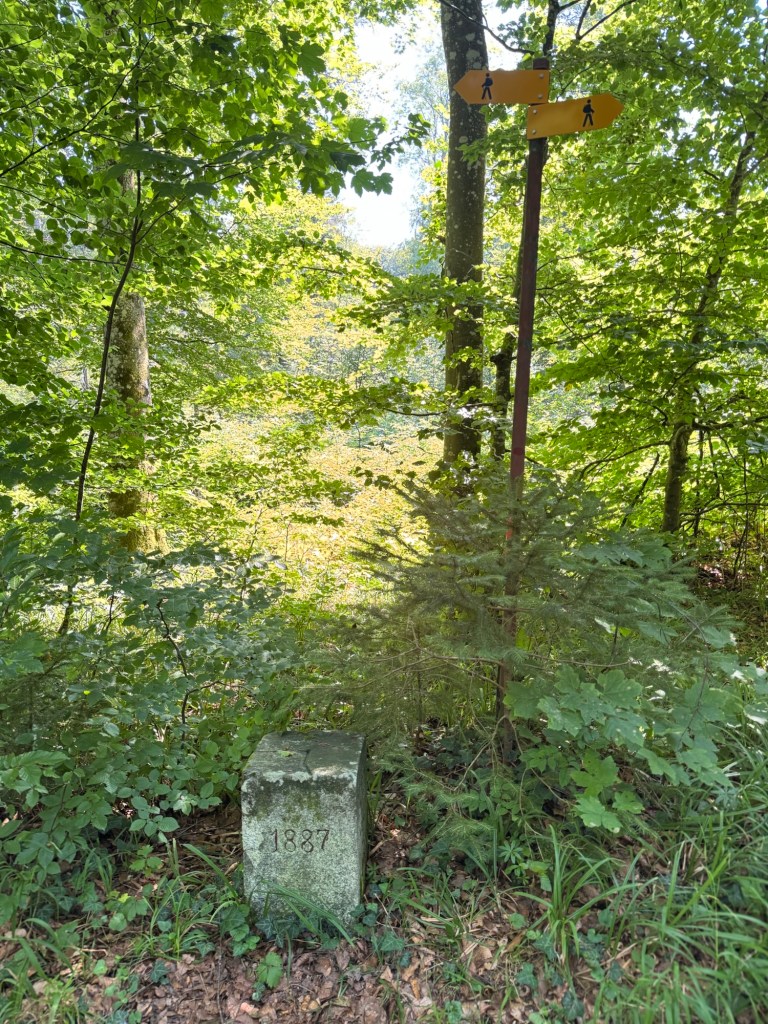
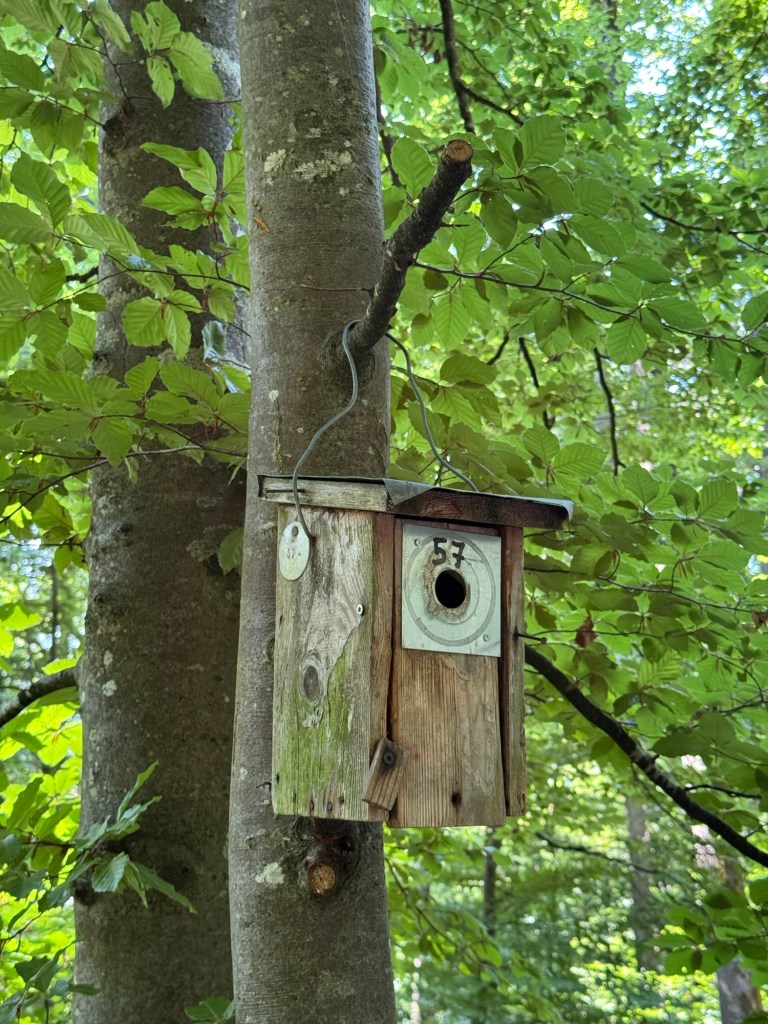
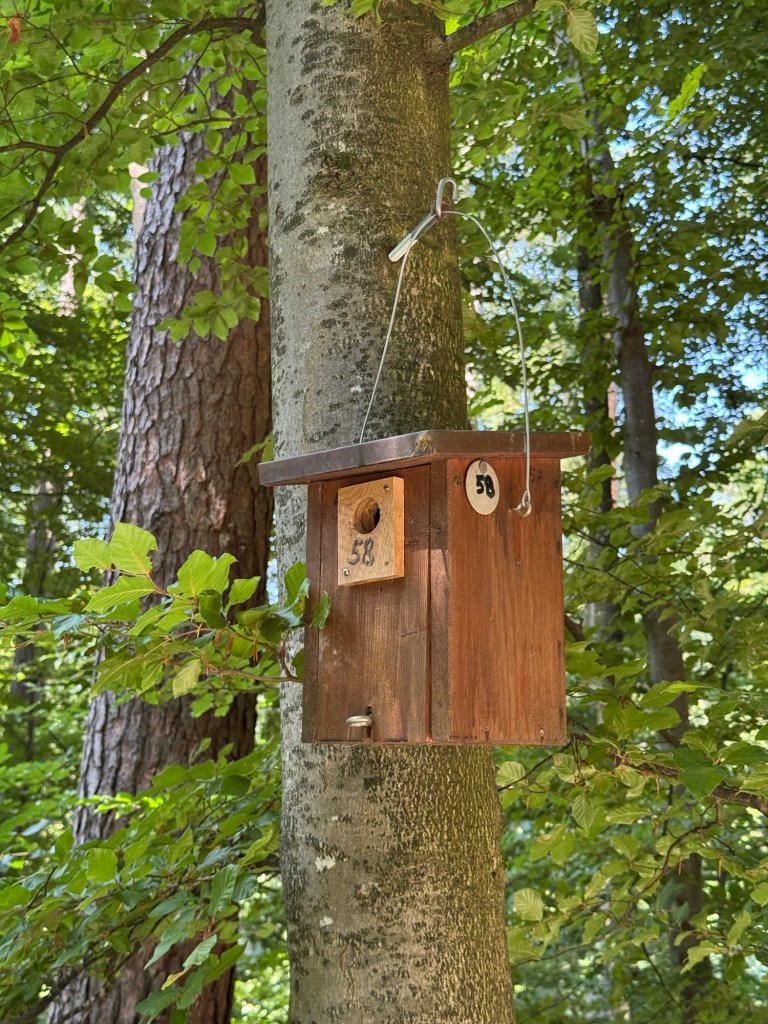
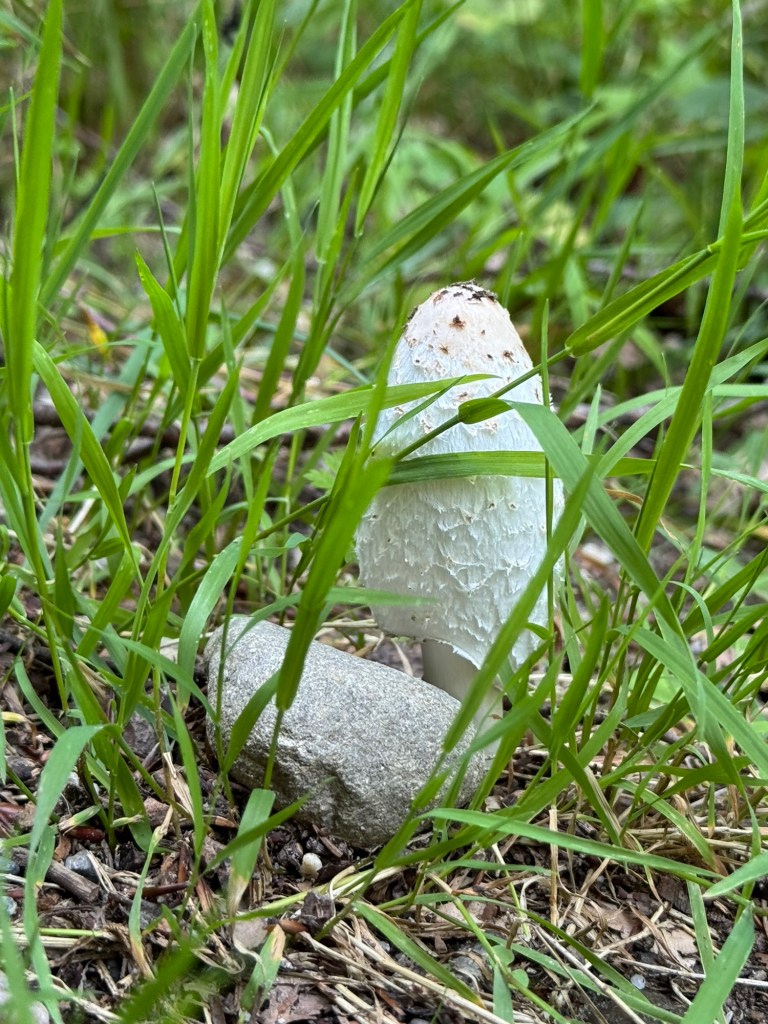
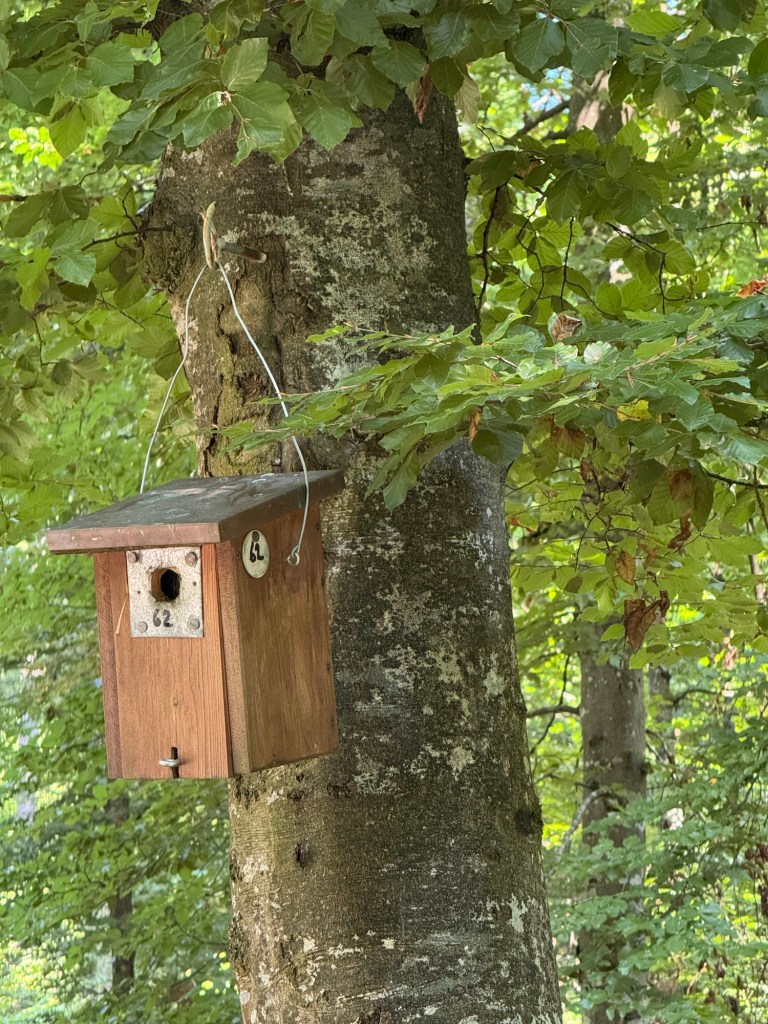
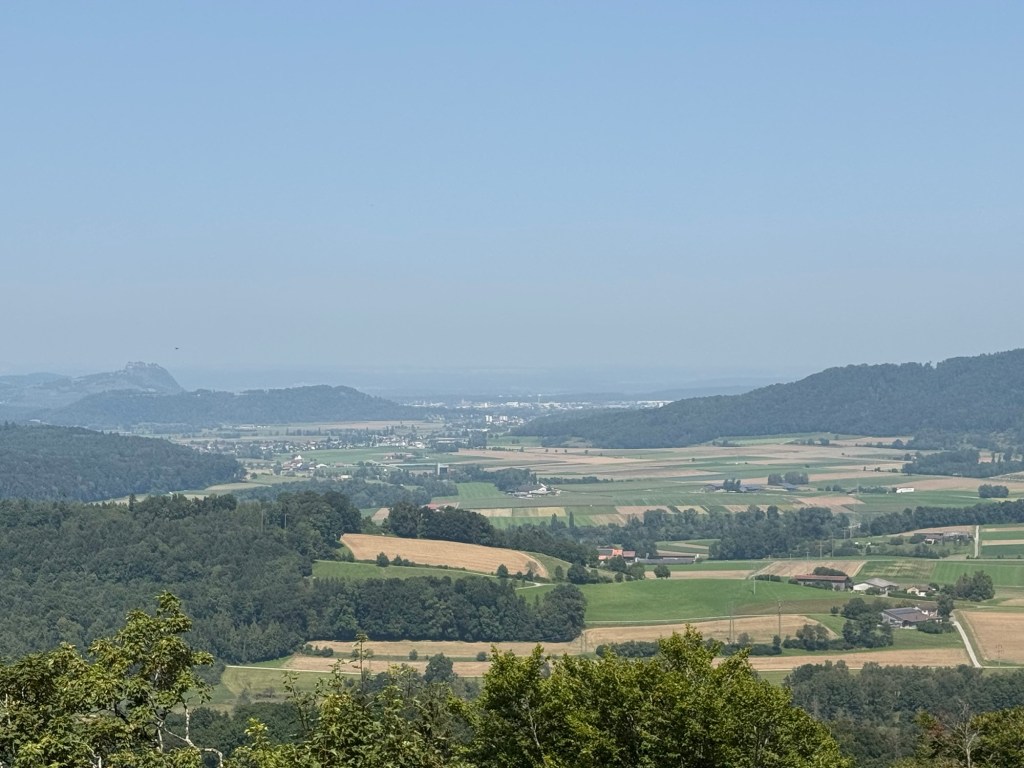
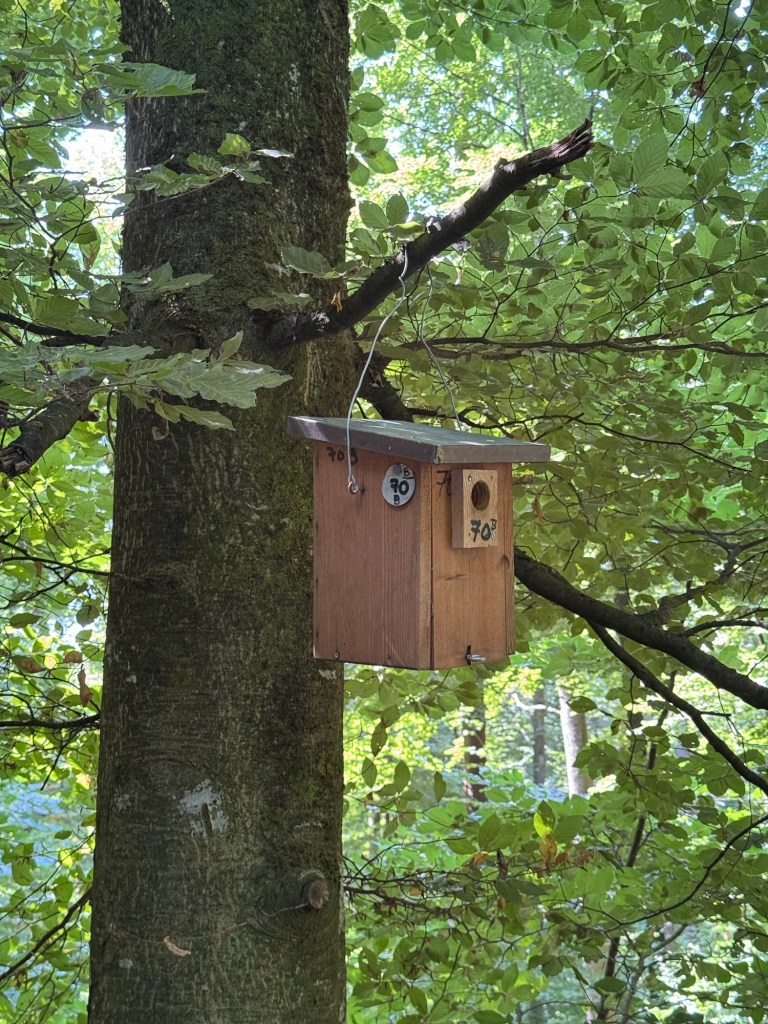
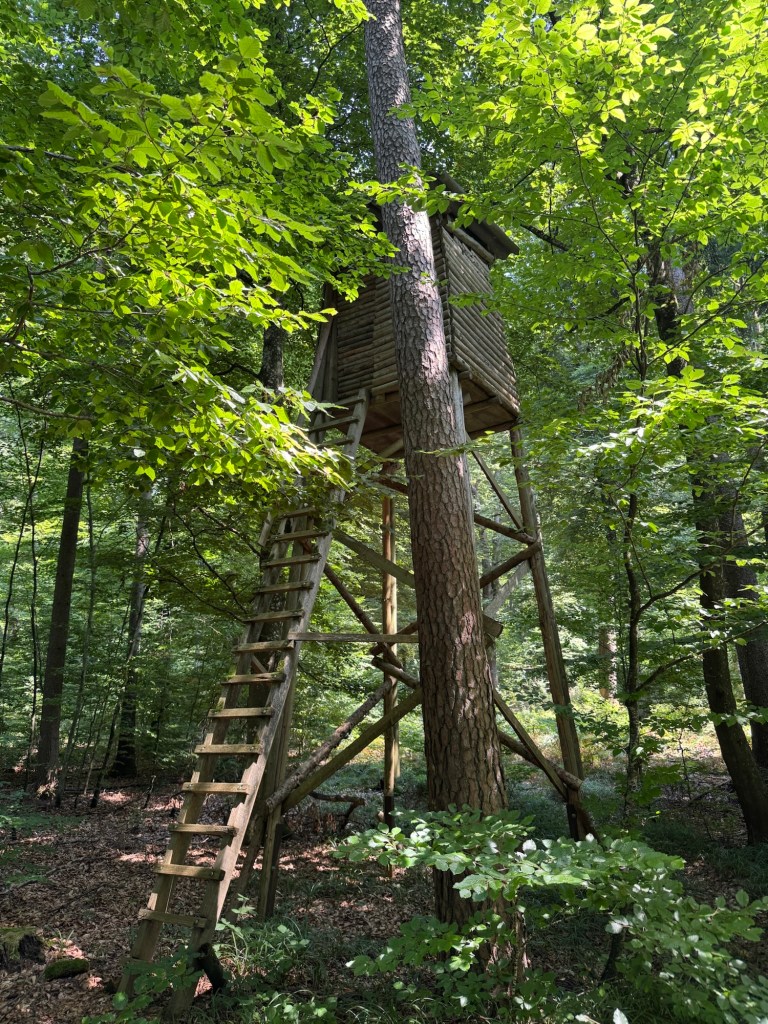
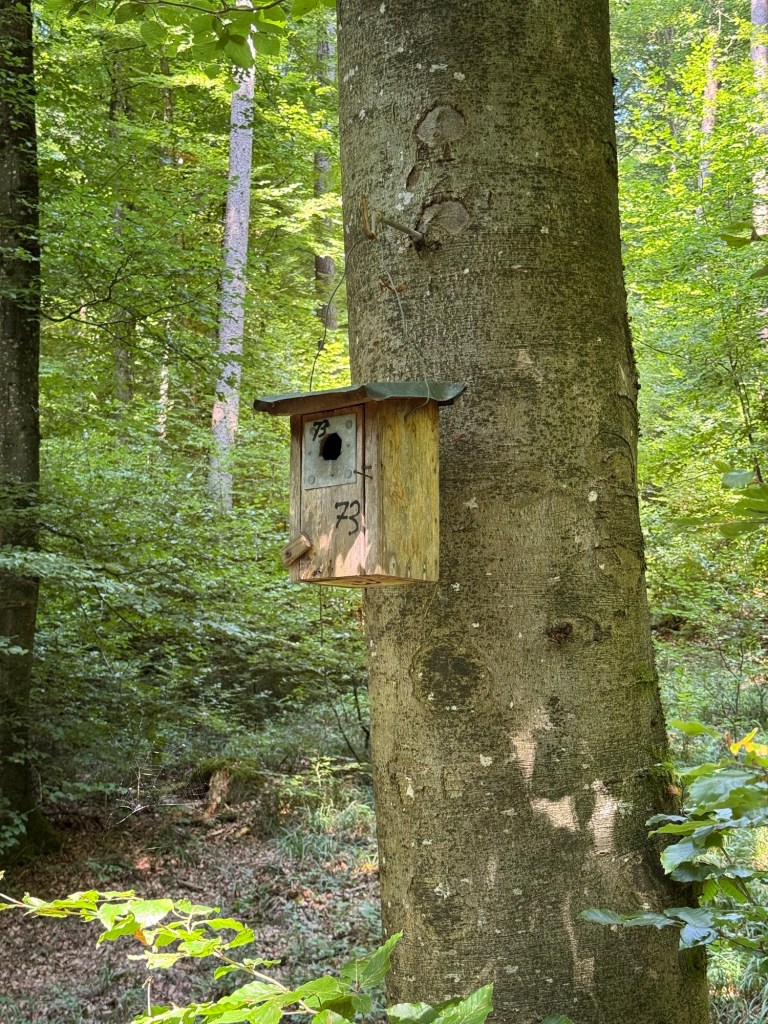
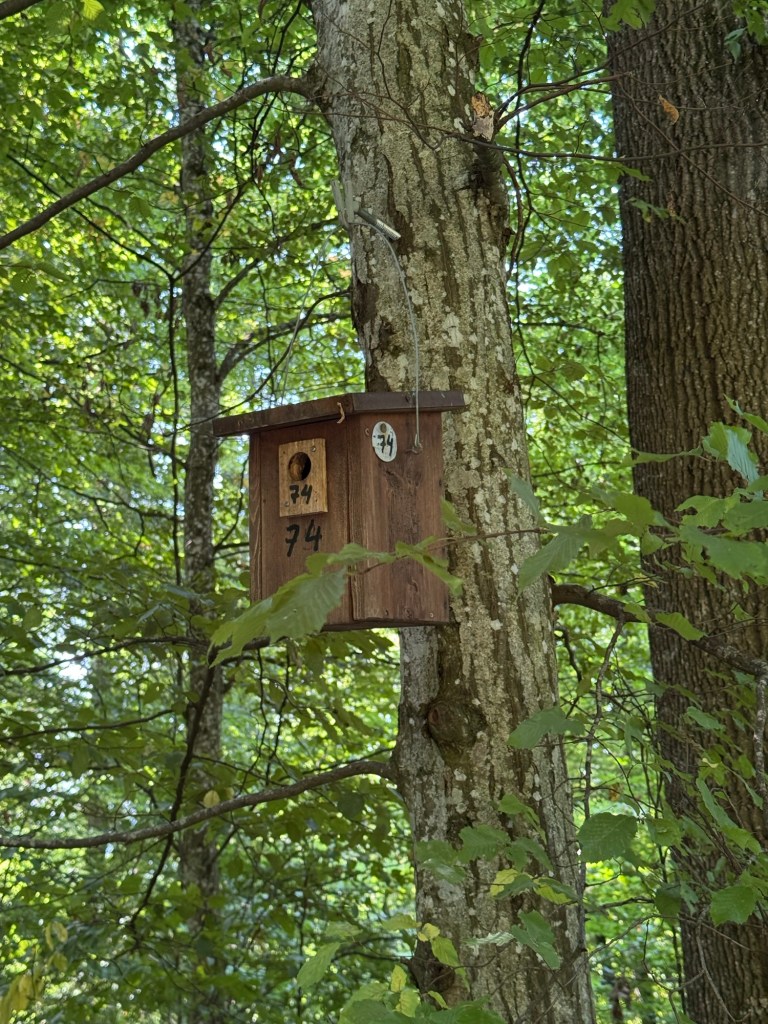
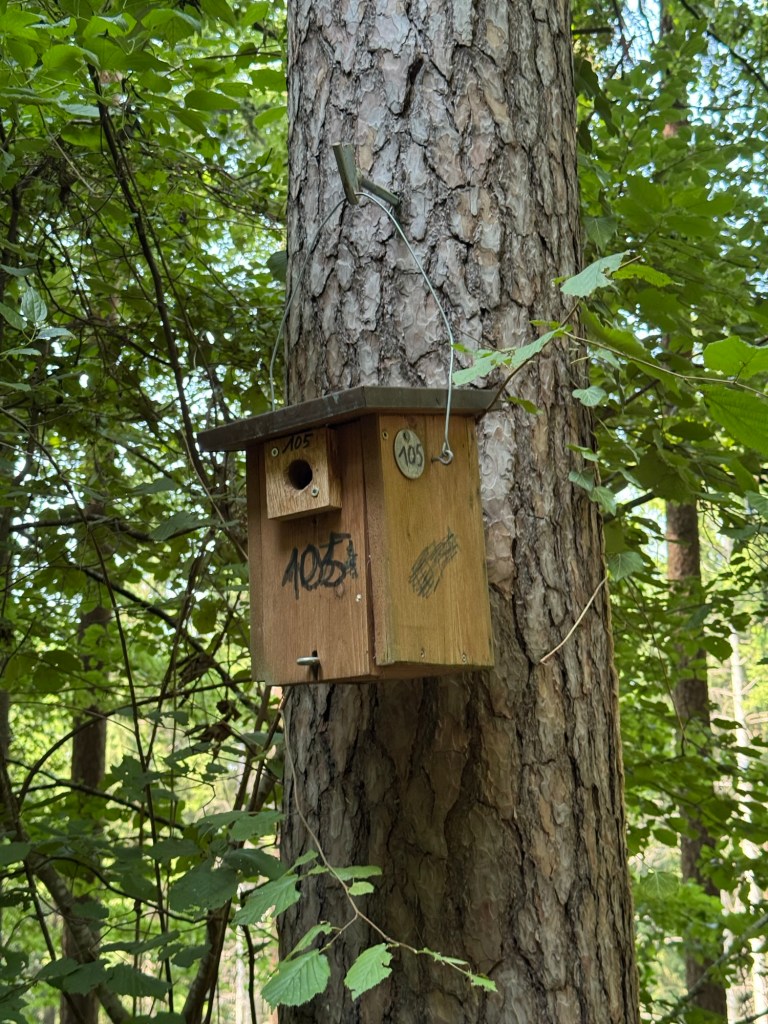
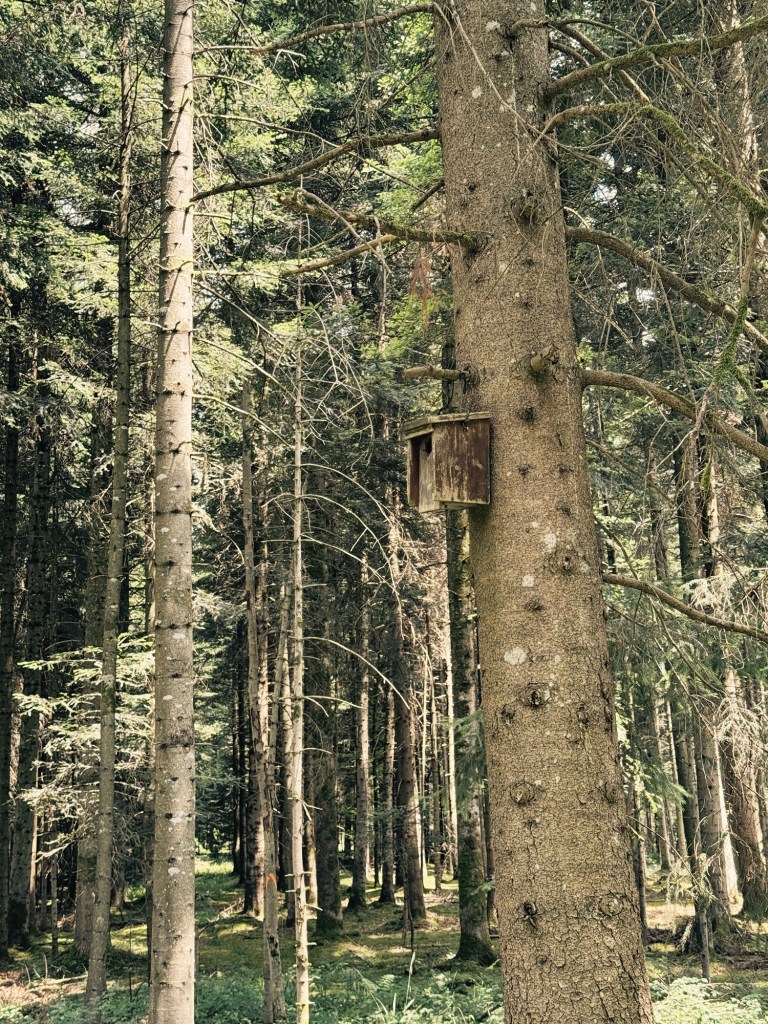
Чего только не обнаружили в Этцвилене — дикое количество скворечников, портал, медведя, межкантональную границу 1887-го года & забавную статую, указывающую, куда надо глядеть, чтоб точно в сторону Германии.











Diccon Bewes “Swiss Watching”: The Swiss are very much a product of their geography. Separated by mountains, the valley communities developed in semi-isolation, as shown by the many distinct dialects and customs still in evidence today. It was a case of local things for local people, helping your neighbours, being wary of foreigners and trying not to be different. Some Swiss, particularly those on the right, see that as a lost ideal; for others it’s an outdated view that belongs in the past. The funny things is, they don’t always realise that today it’s largely true for Switzerland as a whole, though in a much watered-down form. But keeping yourself to yourself, either as an individual or as a community, is very Swiss — and it’s all down to the Swiss being a bunch of coconuts. (…) This doesn’t mean that they are small, brown and hairy, though some might be, but that they make a clear distinction between public and private spheres of their lives. Breaking through a coconut’s outer shell isn’t easy. For the Swiss it’s clear that most people belong in this outer shell, where surnames are used and private details are not shared. The inner part is reserved for closest friends and family. This private sphere often includes the home, which is rarely opened up to strangers, rendering a Swiss home more fortress than castle. All this can make the Swiss seem cold and distant, but what to outsiders appears unfriendly is them actually respecting personal space and taking time to get to know someone.

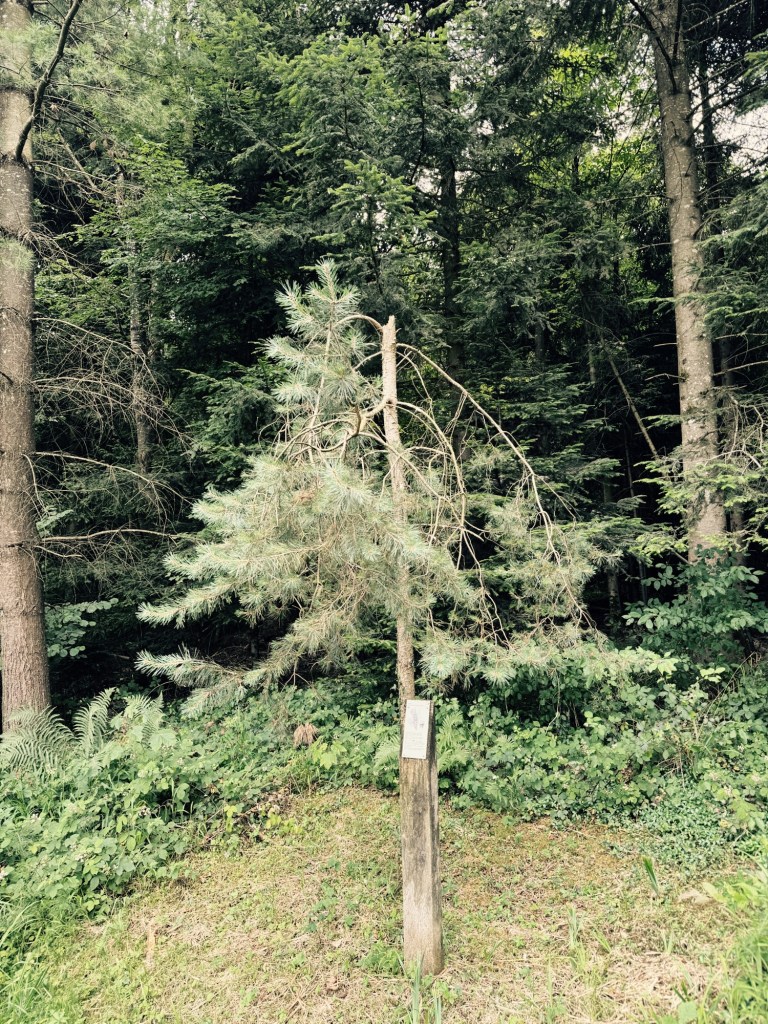


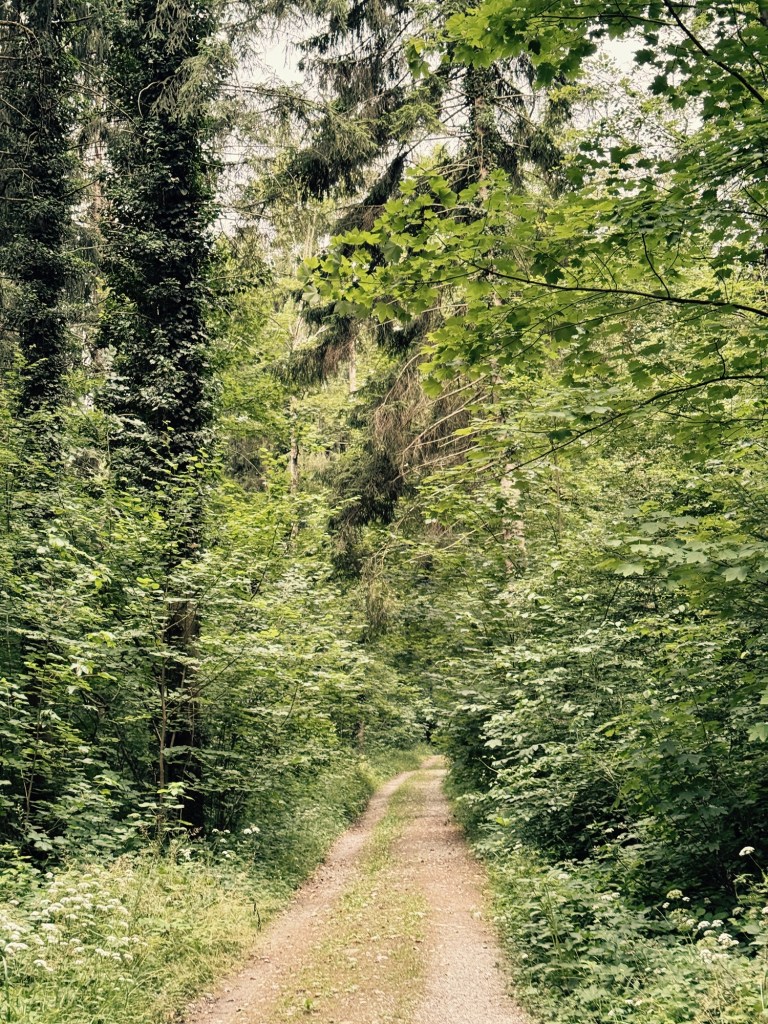
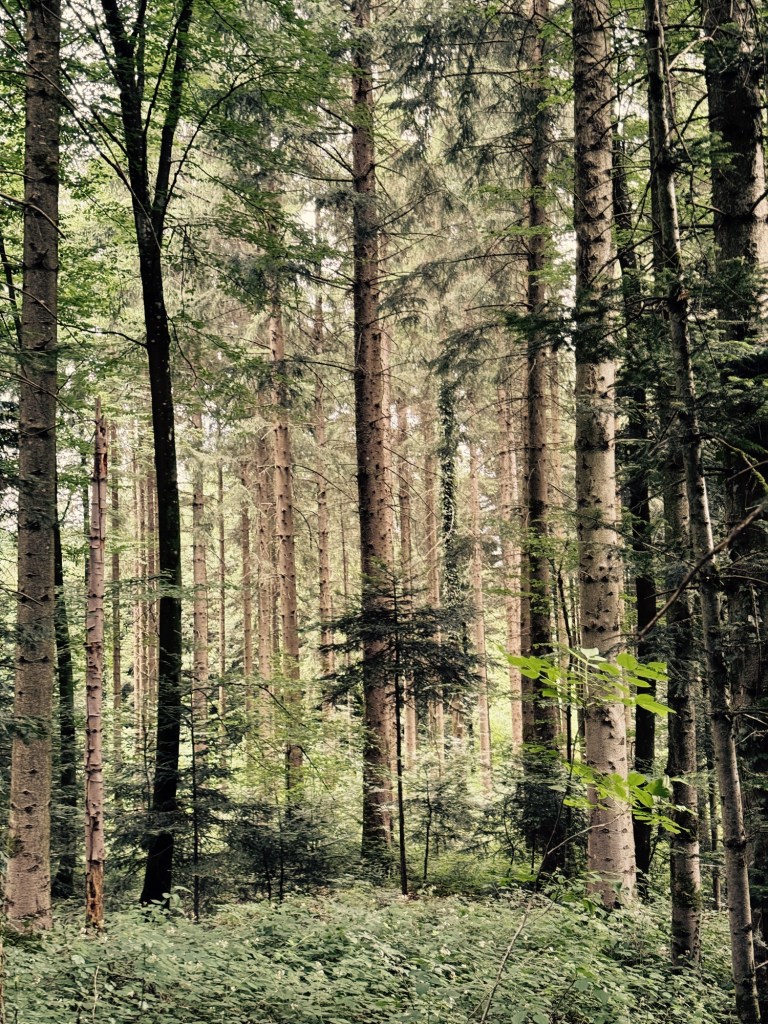

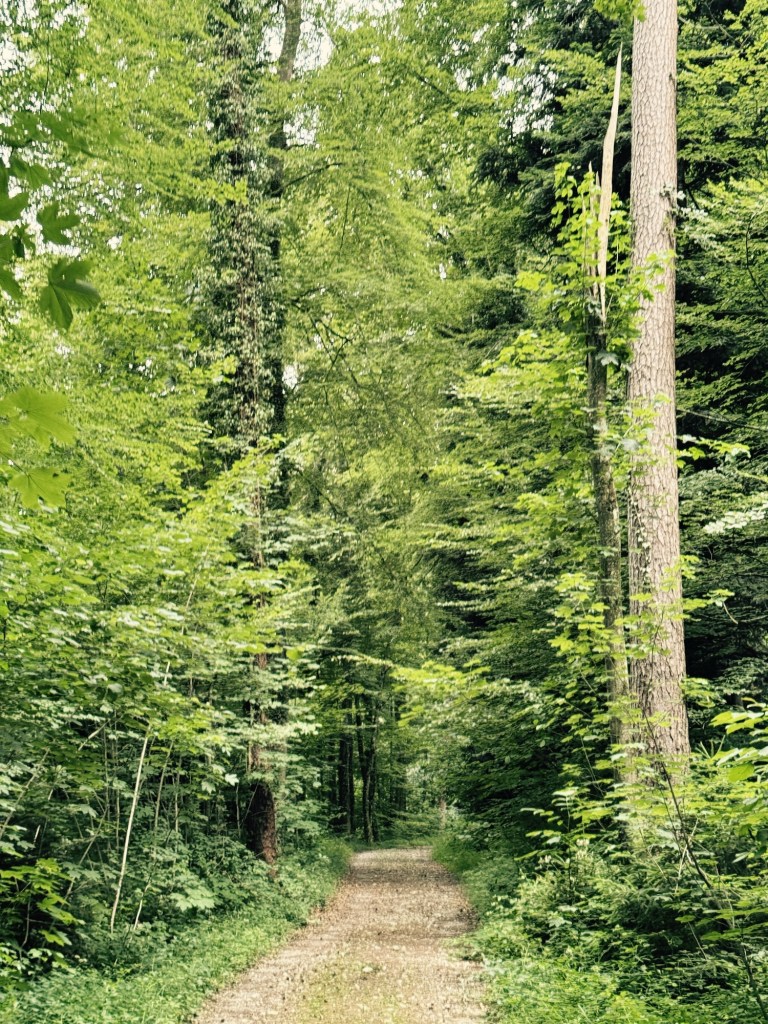
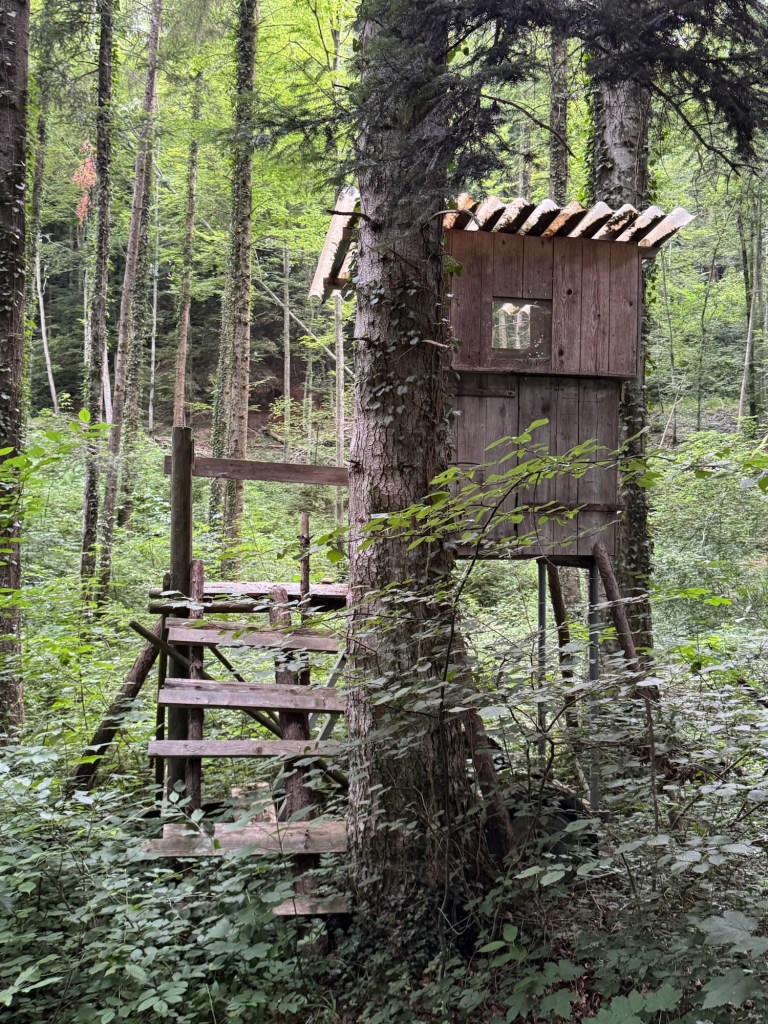



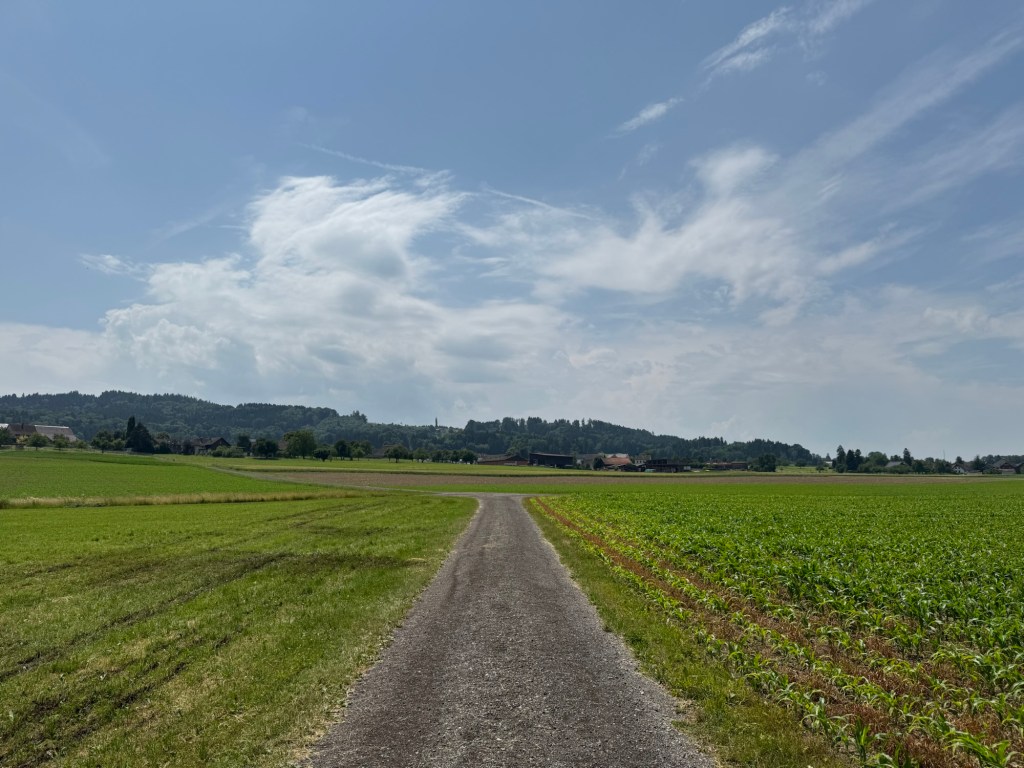

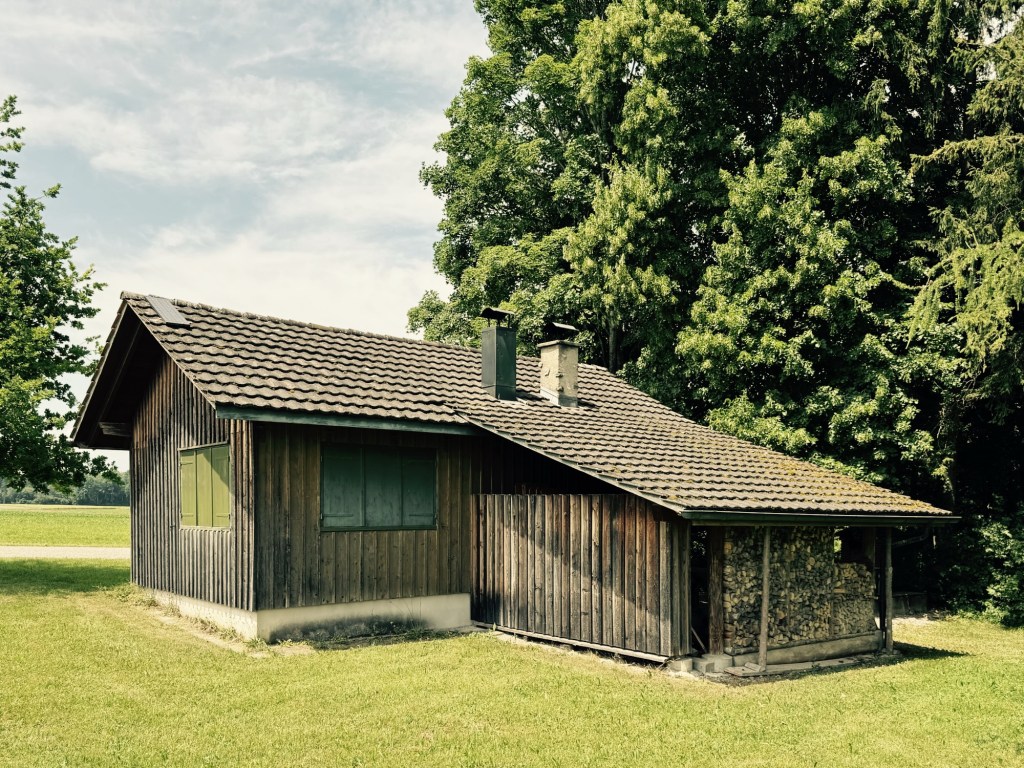

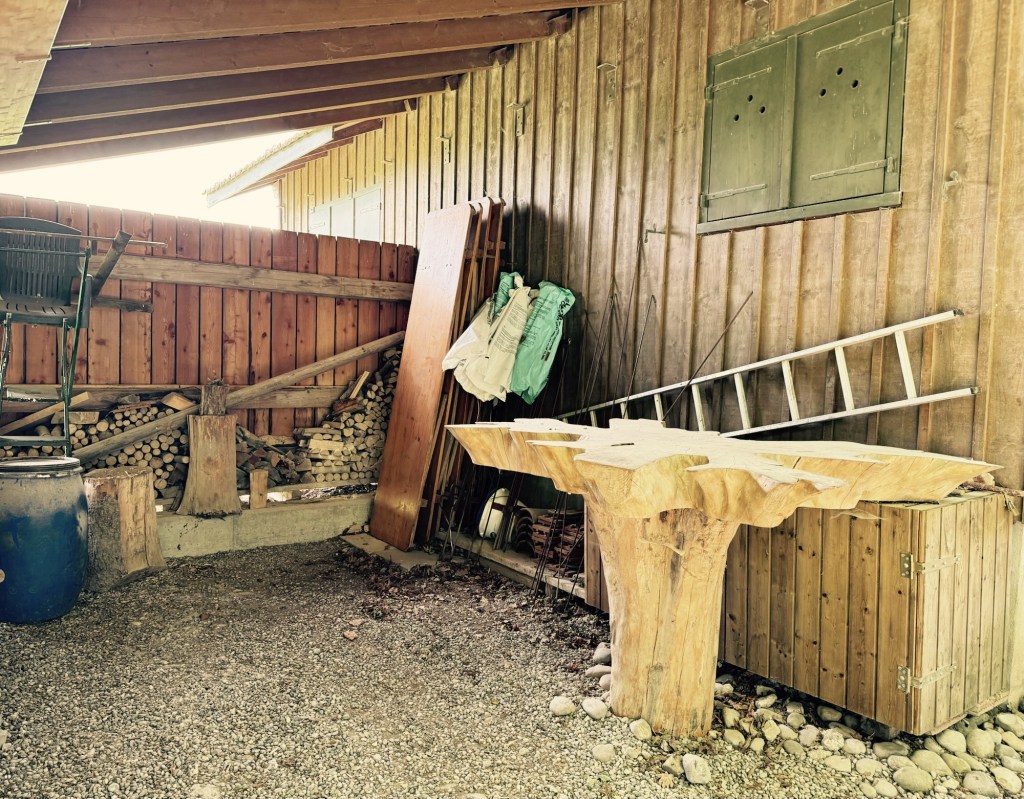
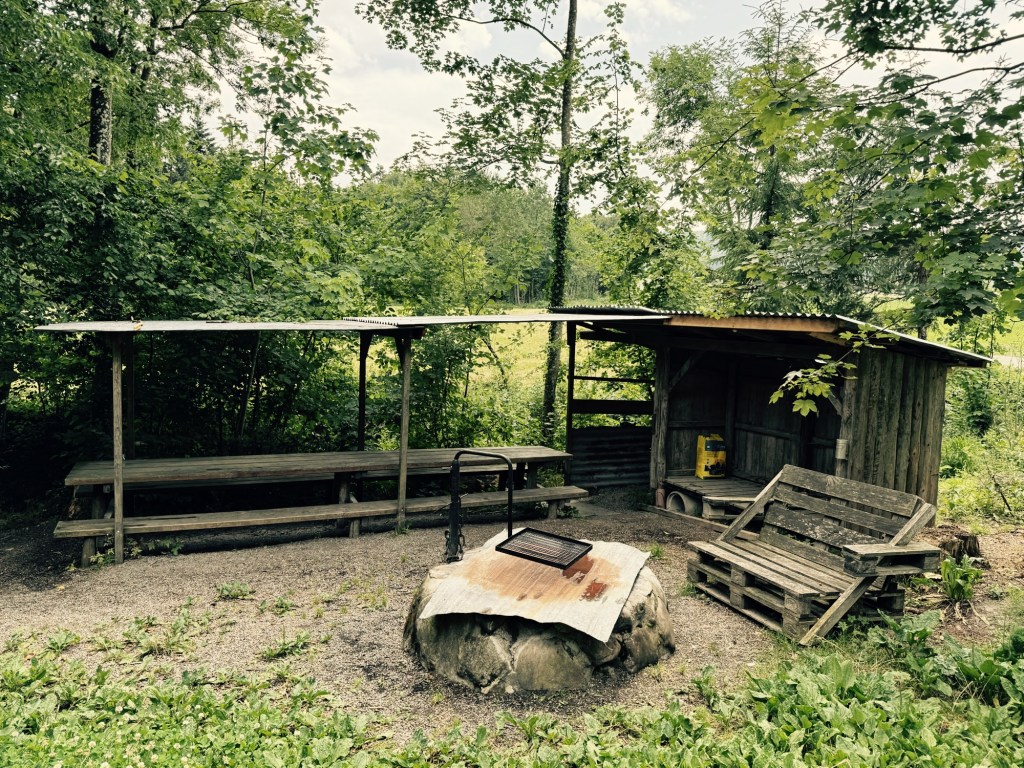
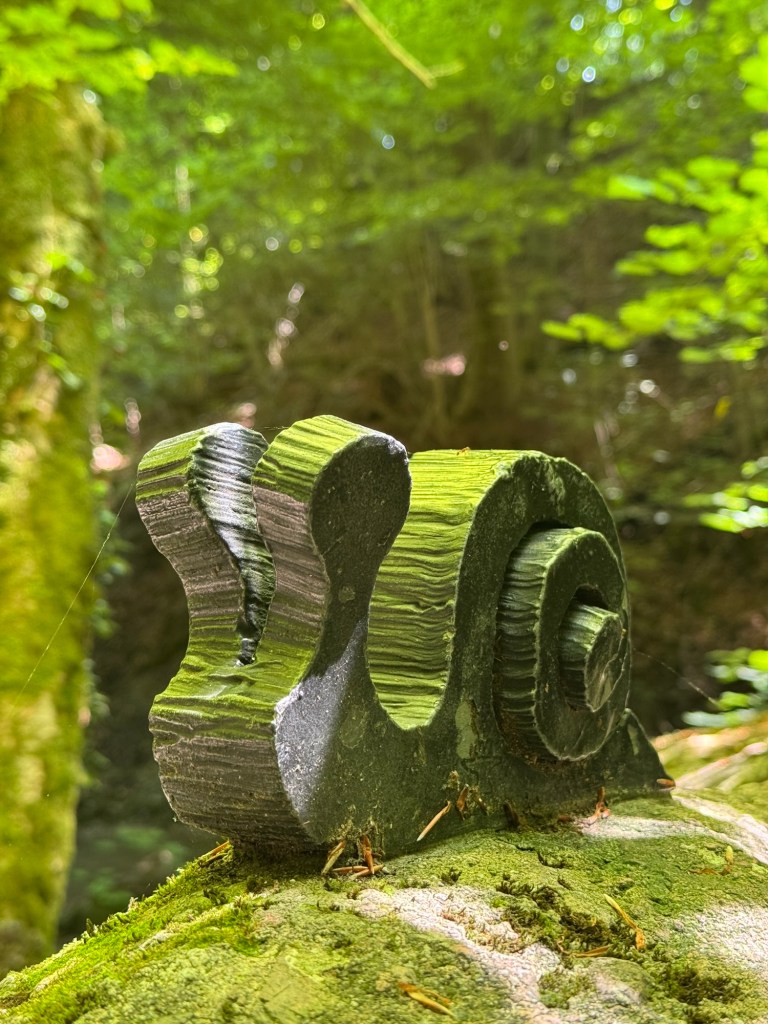
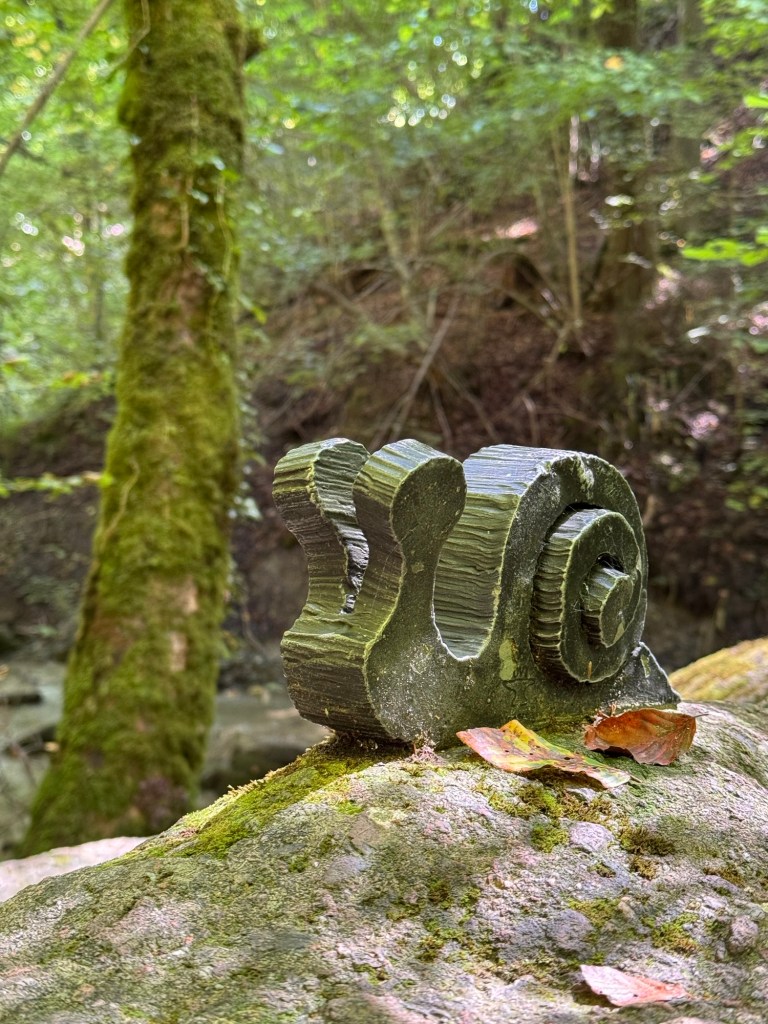
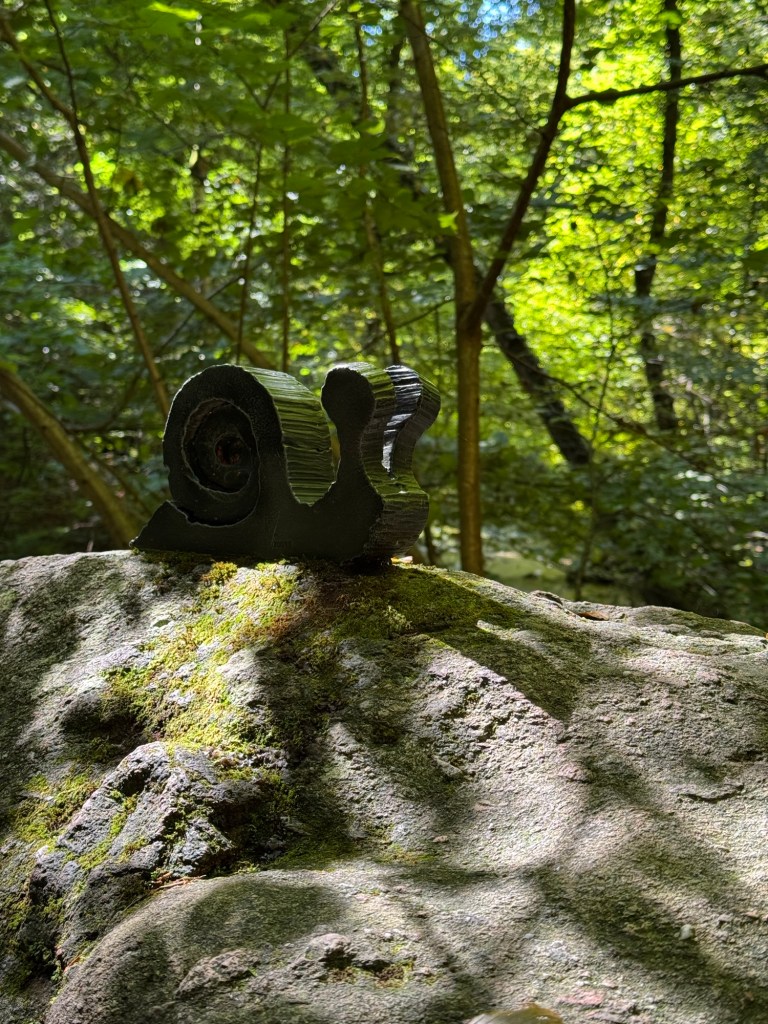
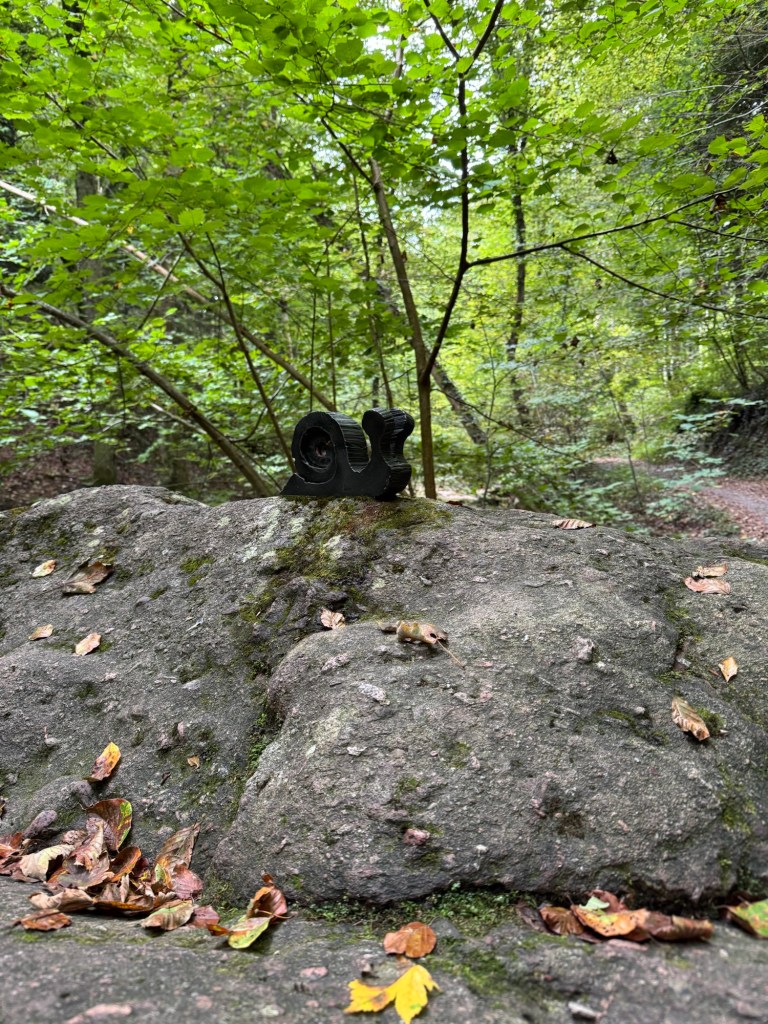
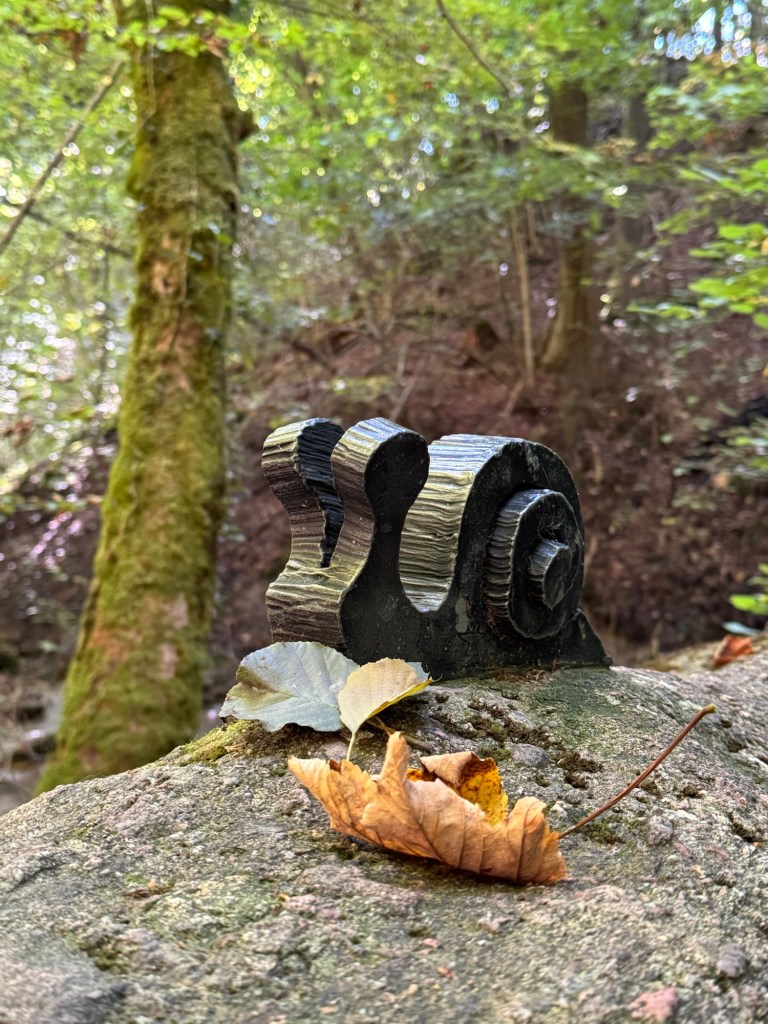
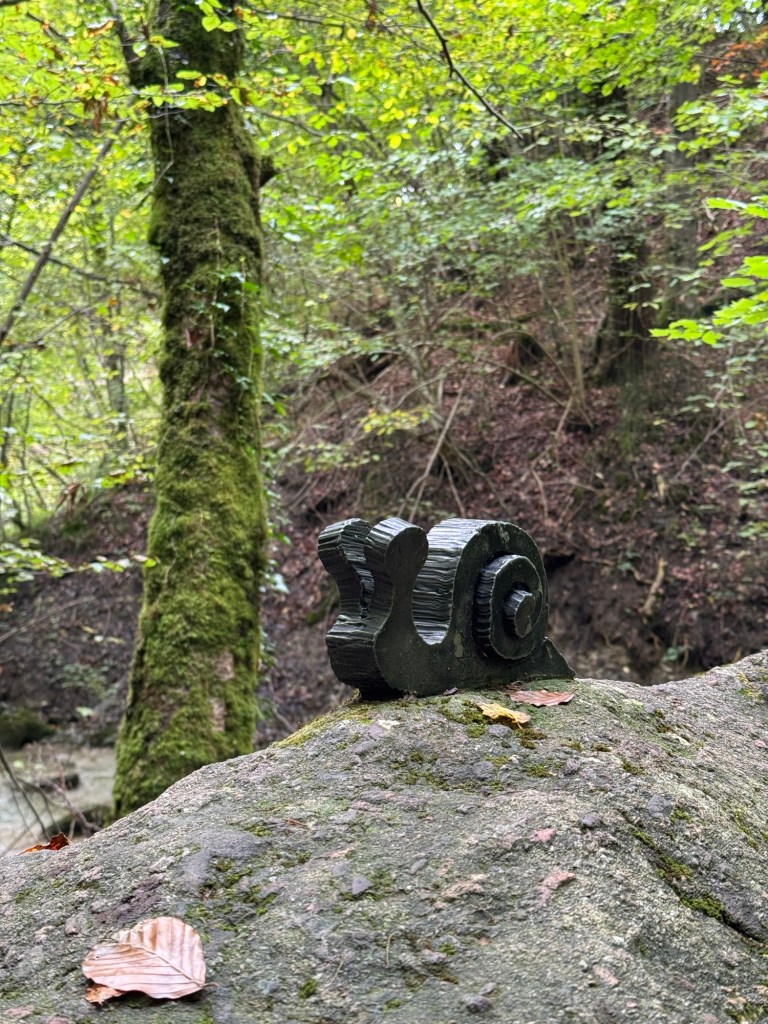
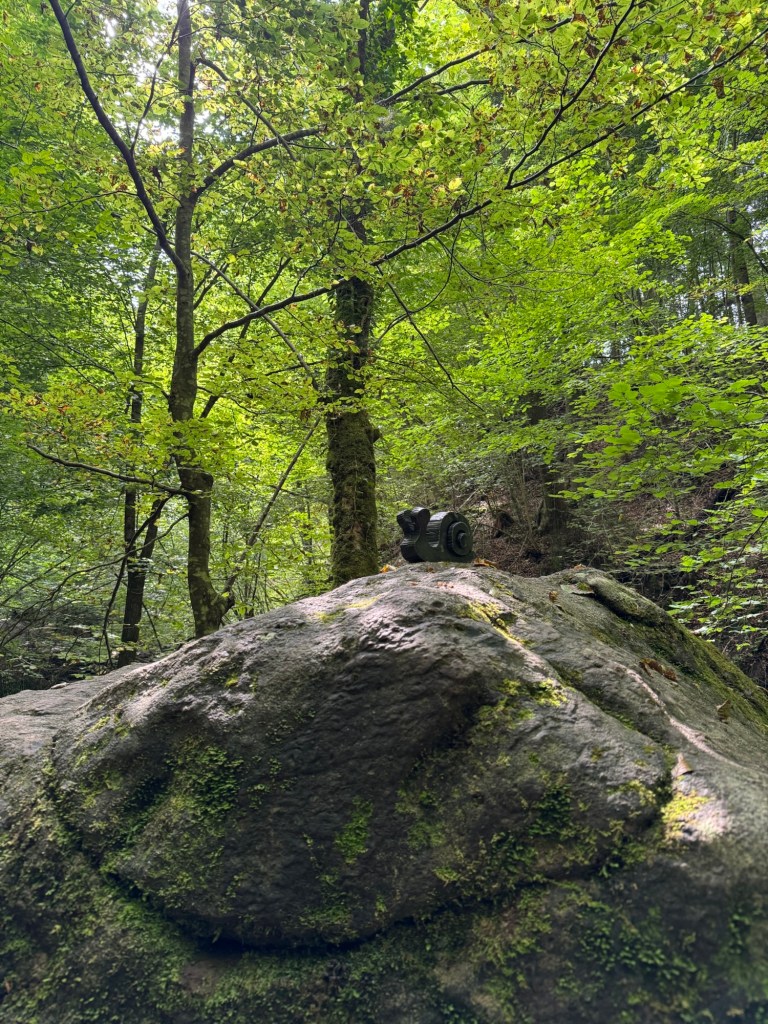
Всегда умилялась над этой няшной скульптуркой. Оказывается, на этом месте развеяли чей-то прах & установили улитку в память об этом человеке. Интересная мысль.

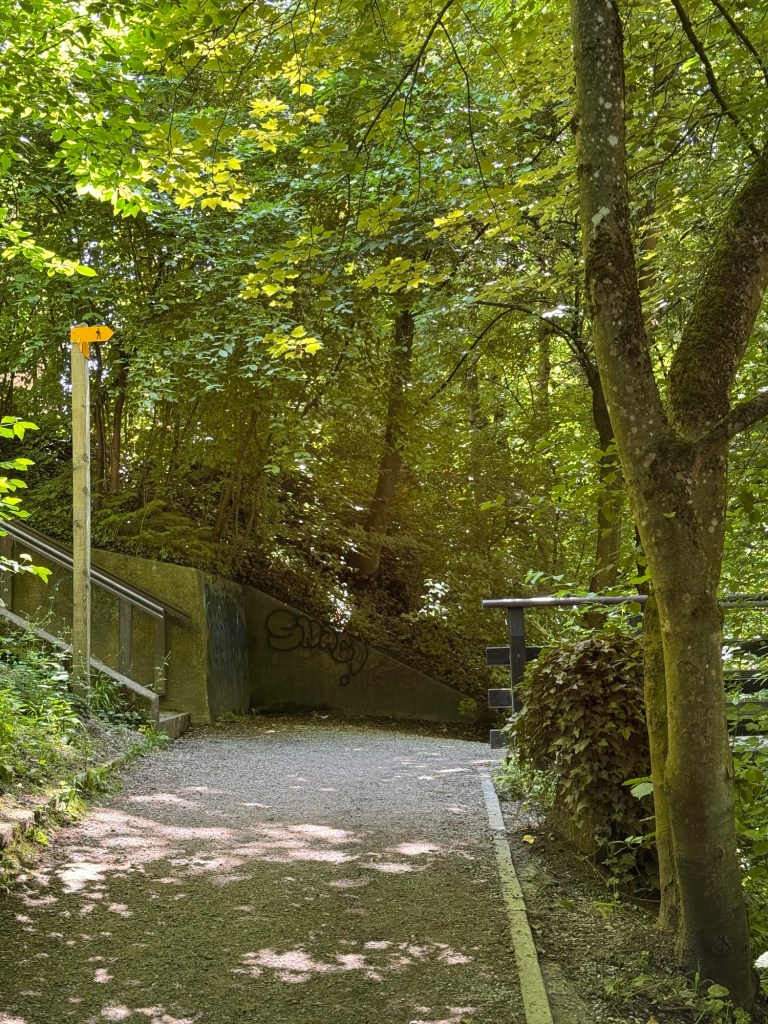






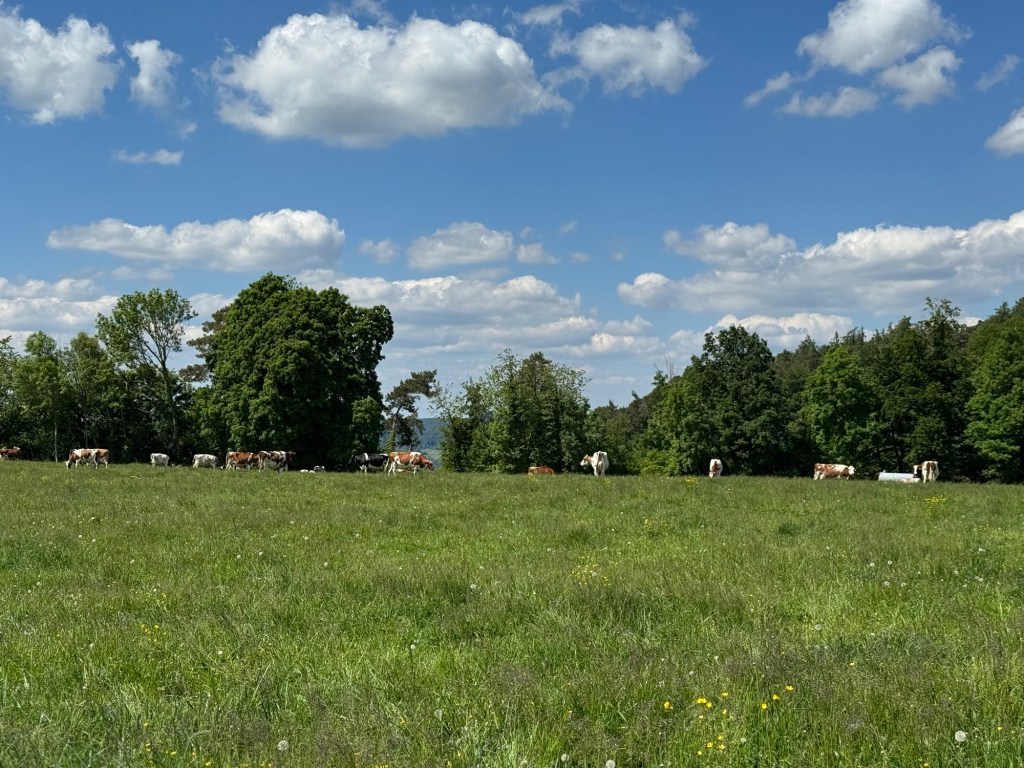
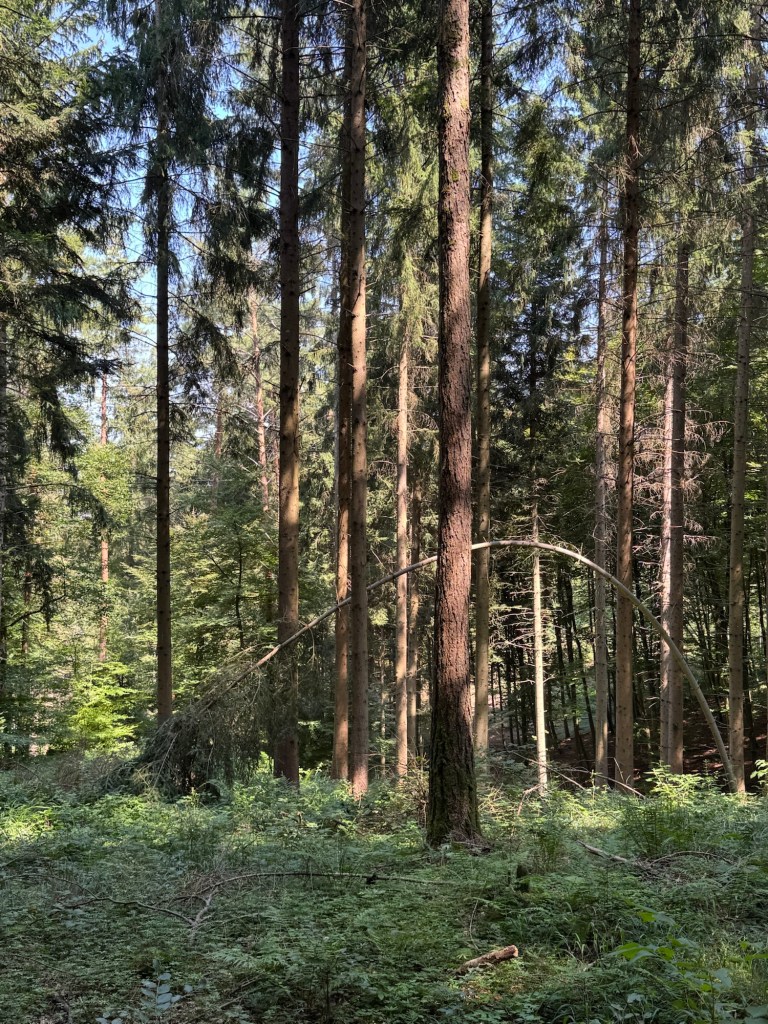
Некоторые деревья выглядели знакомо — оказалось, что в Ланценнойнфорне я уже была — два месяца назад: https://evgeniasato.com/2025/05/10/lanzenneunforn-tg/.
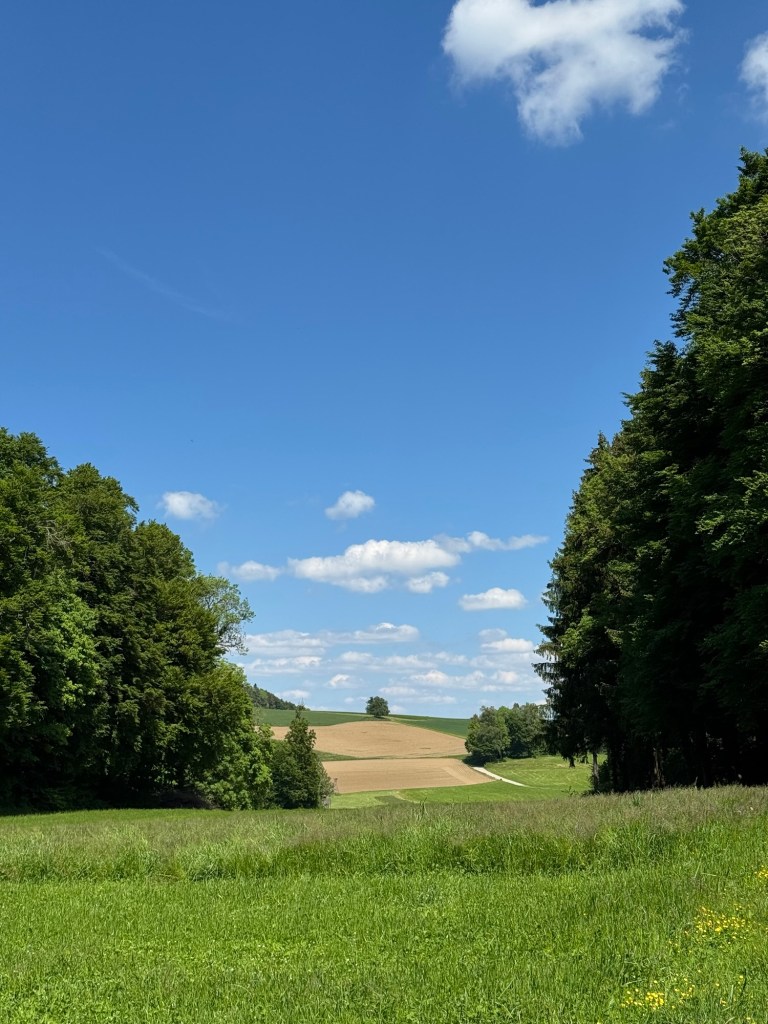
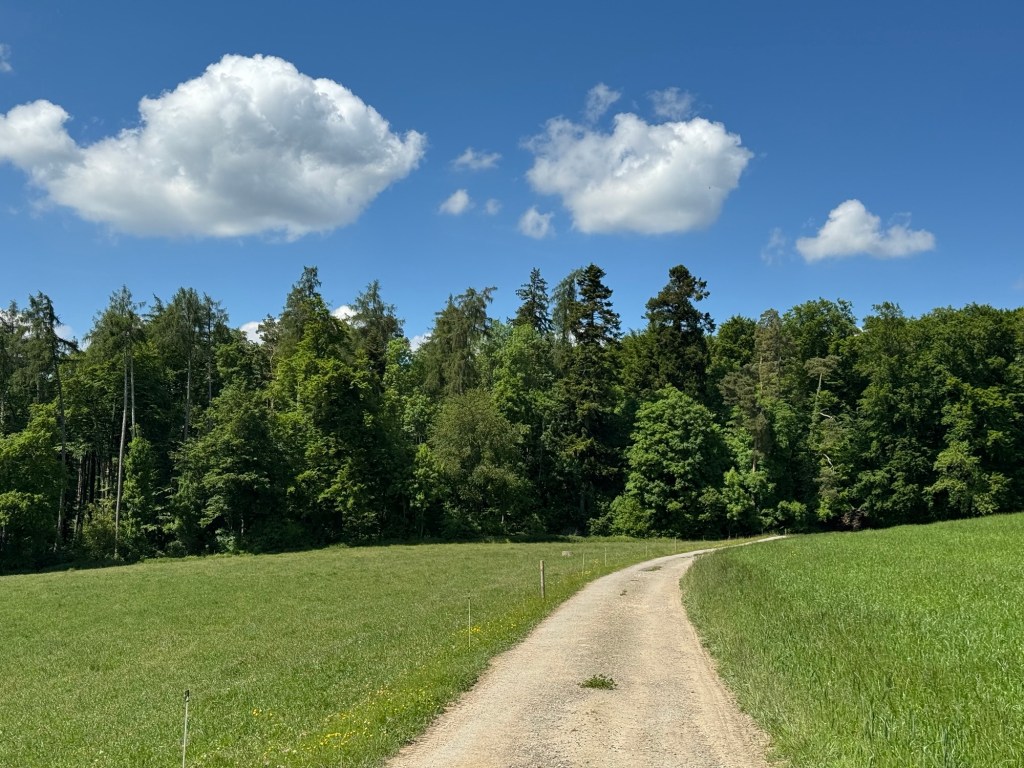
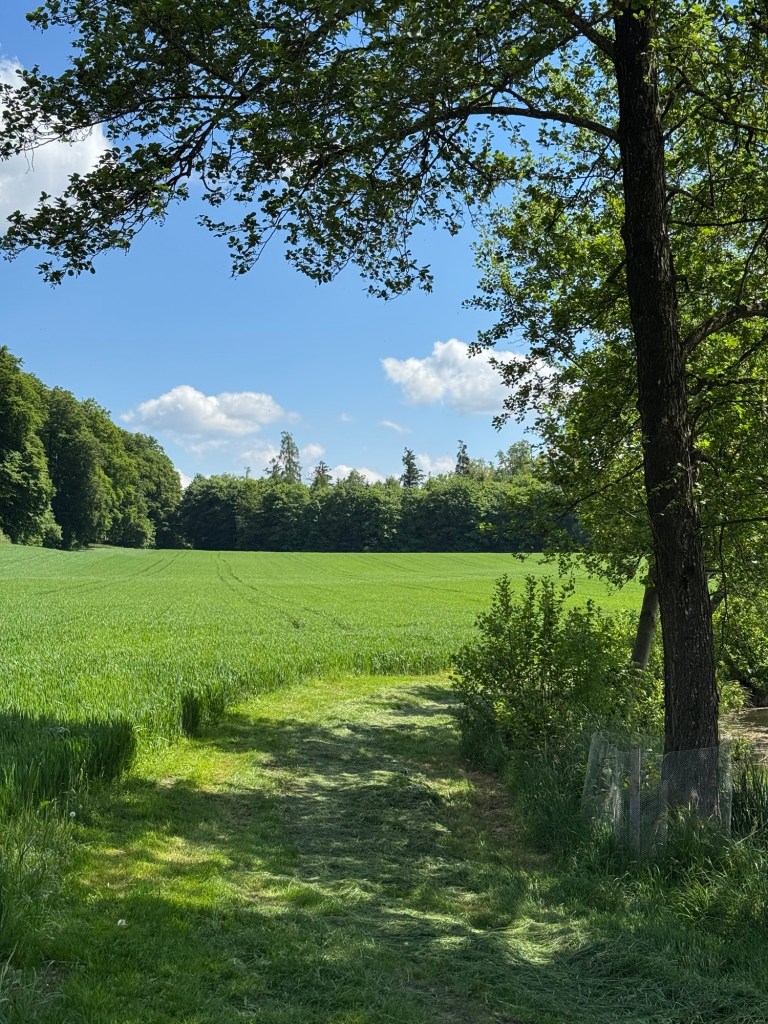
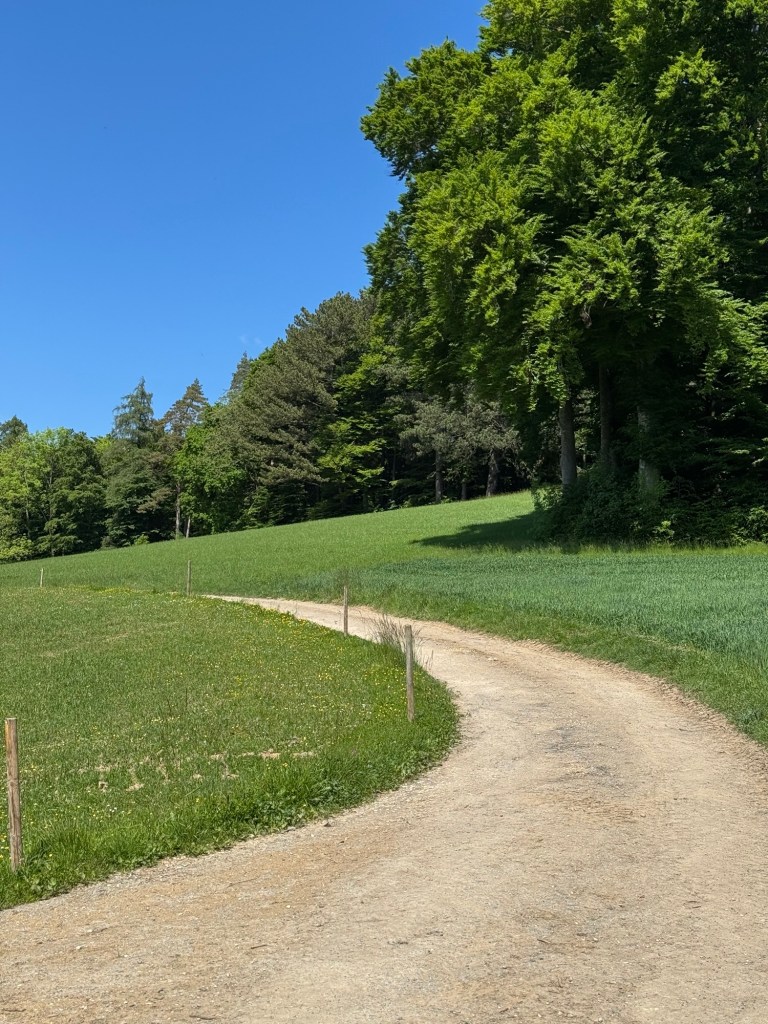
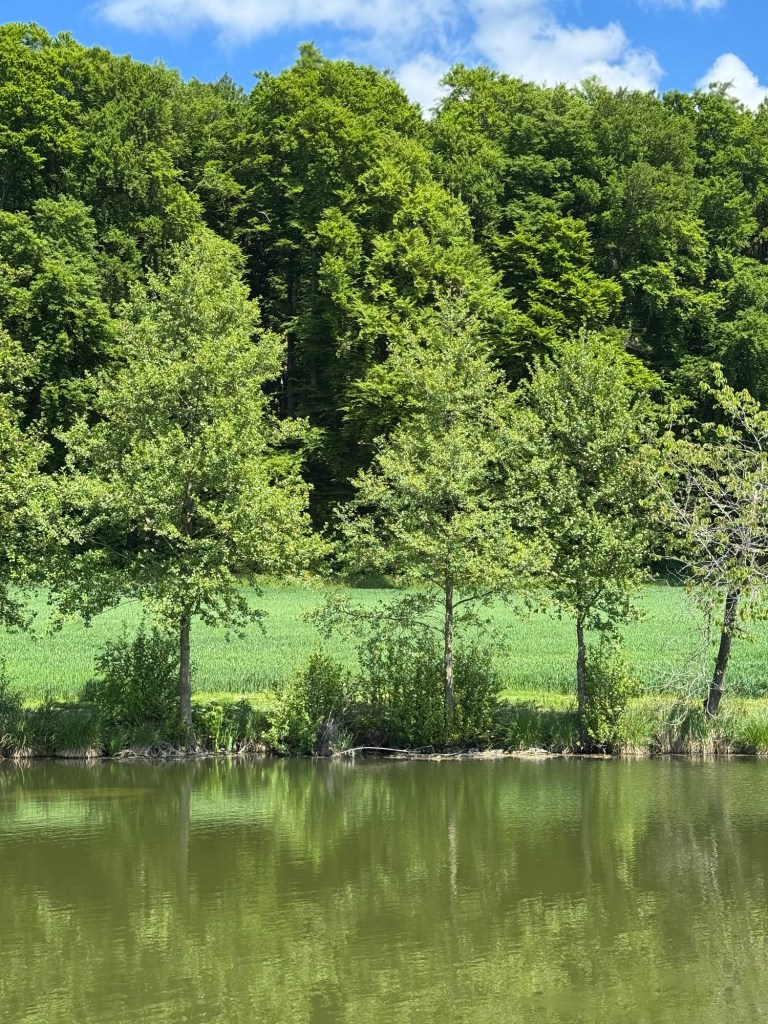
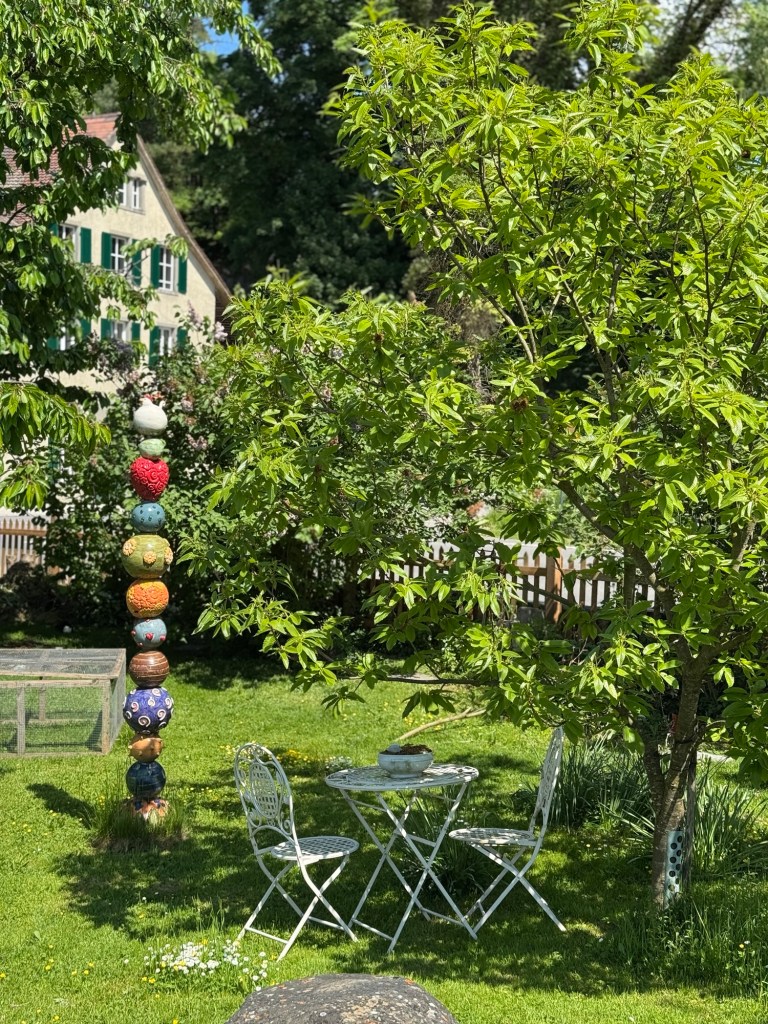
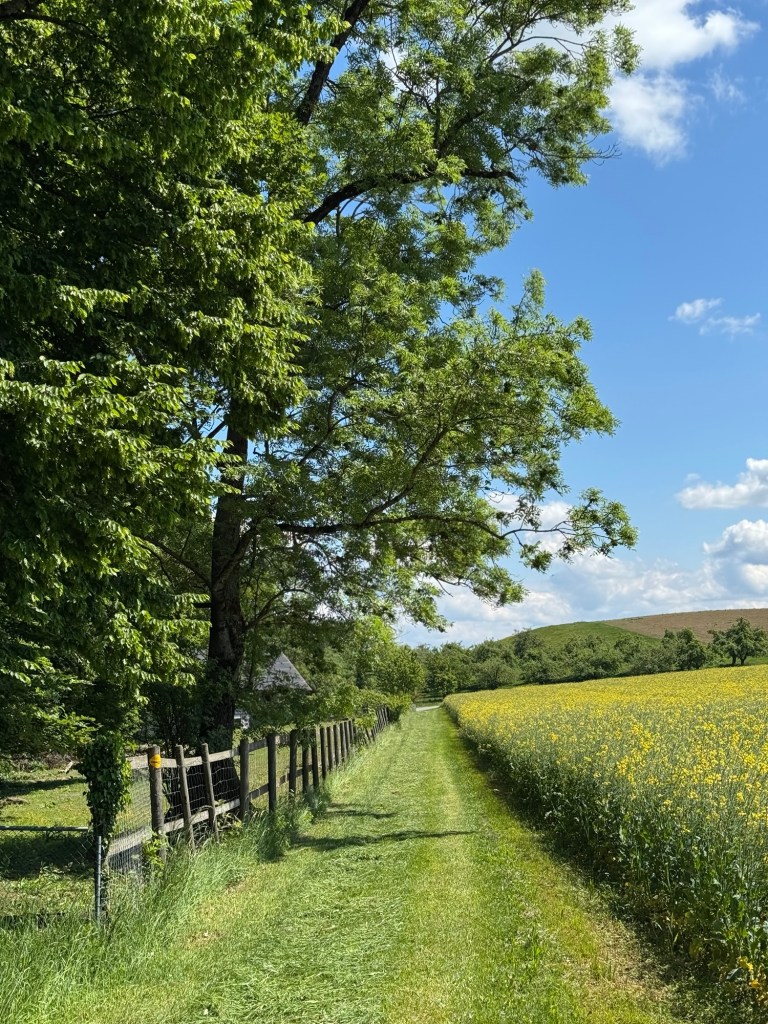

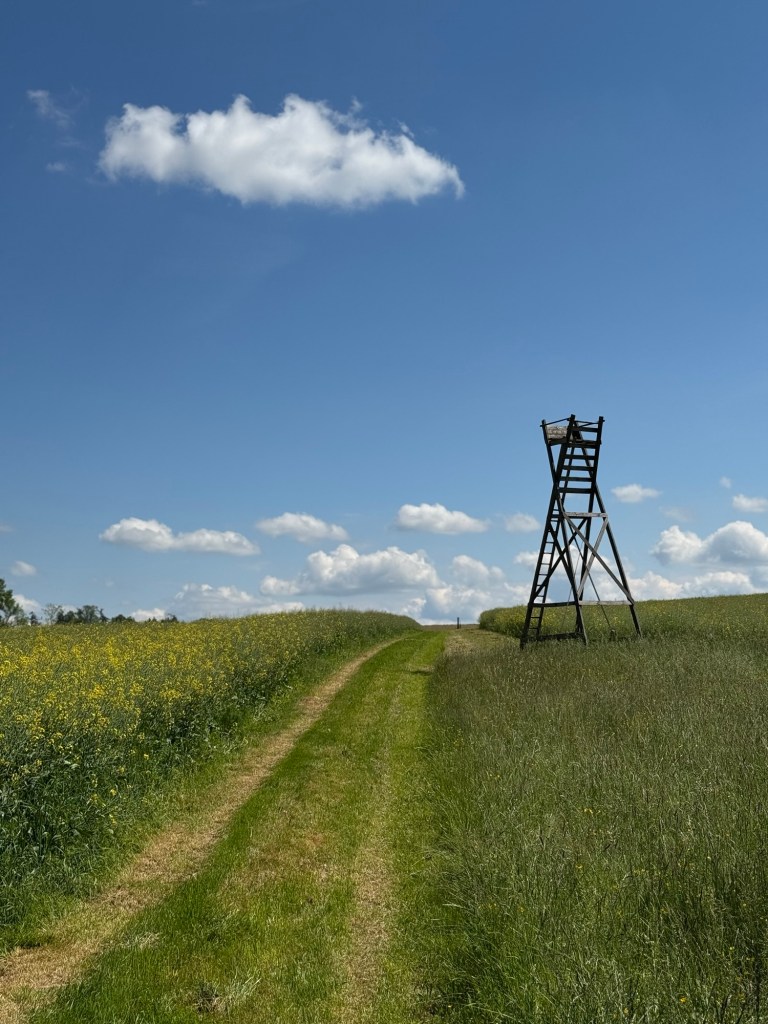
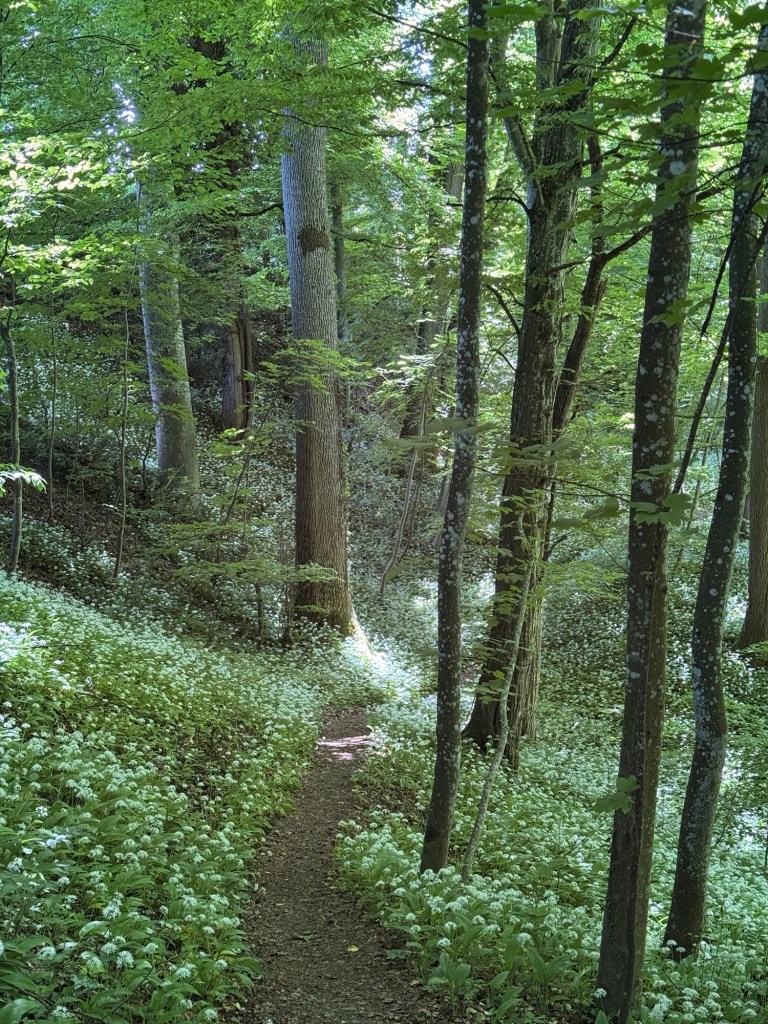
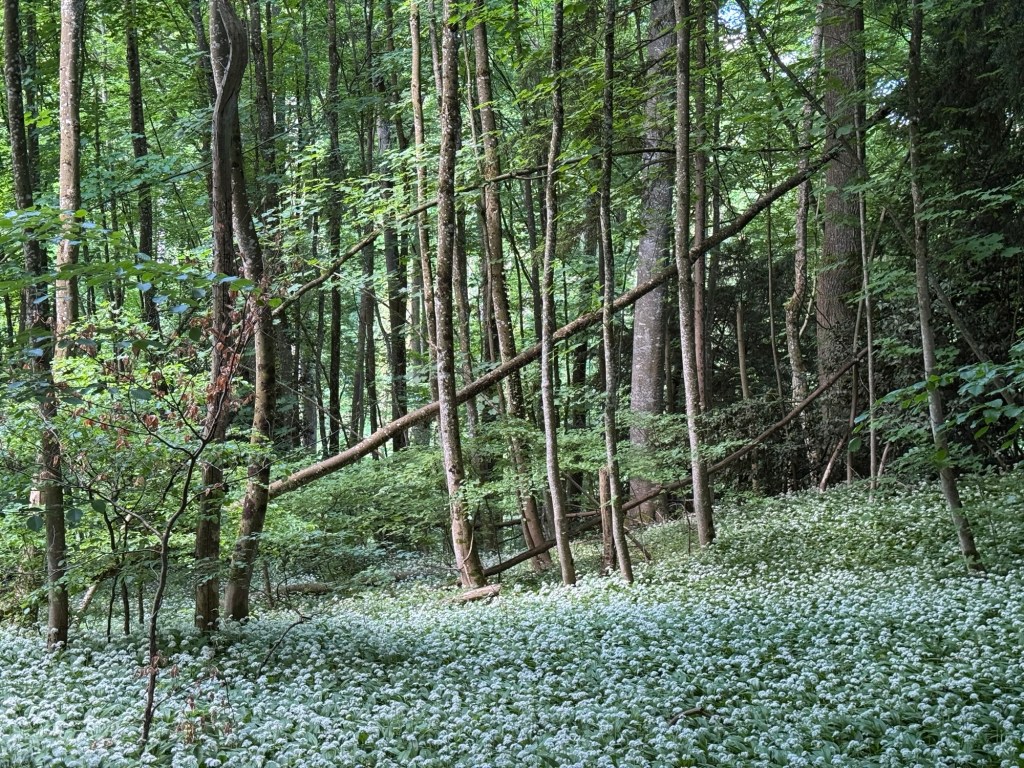
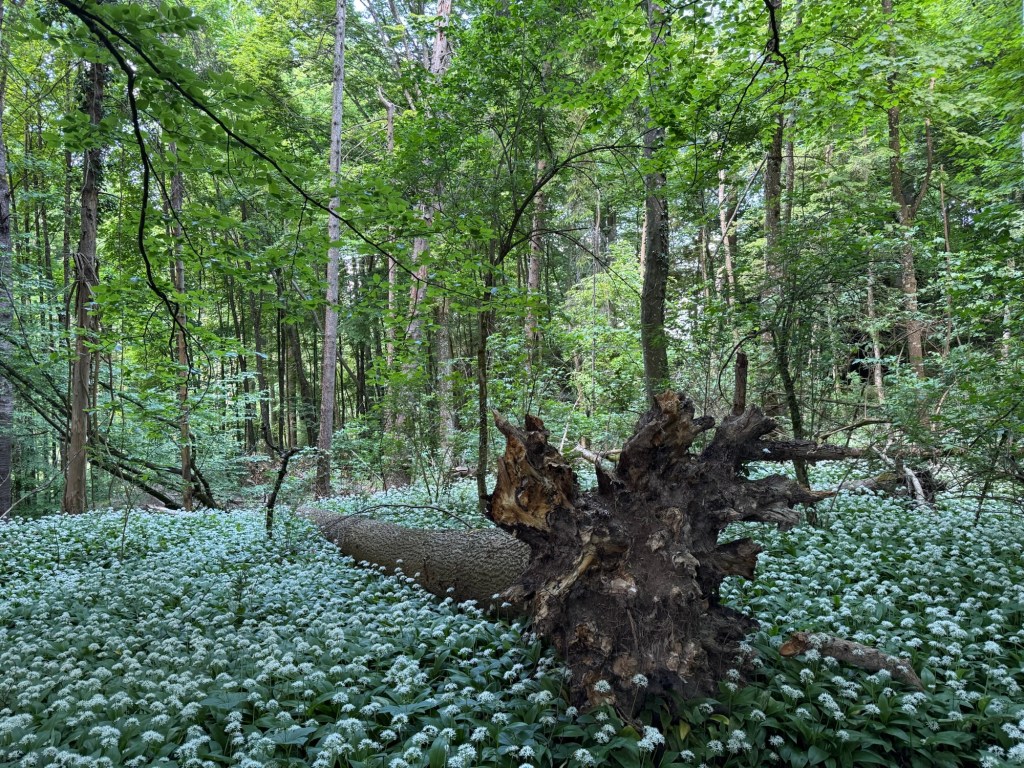

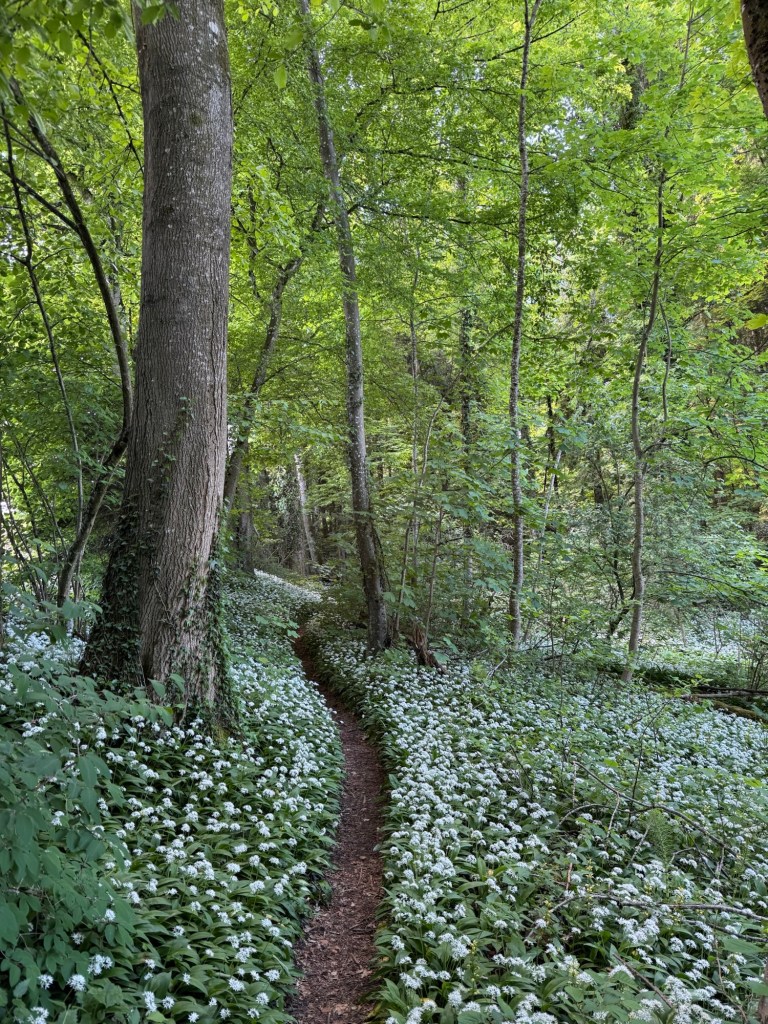
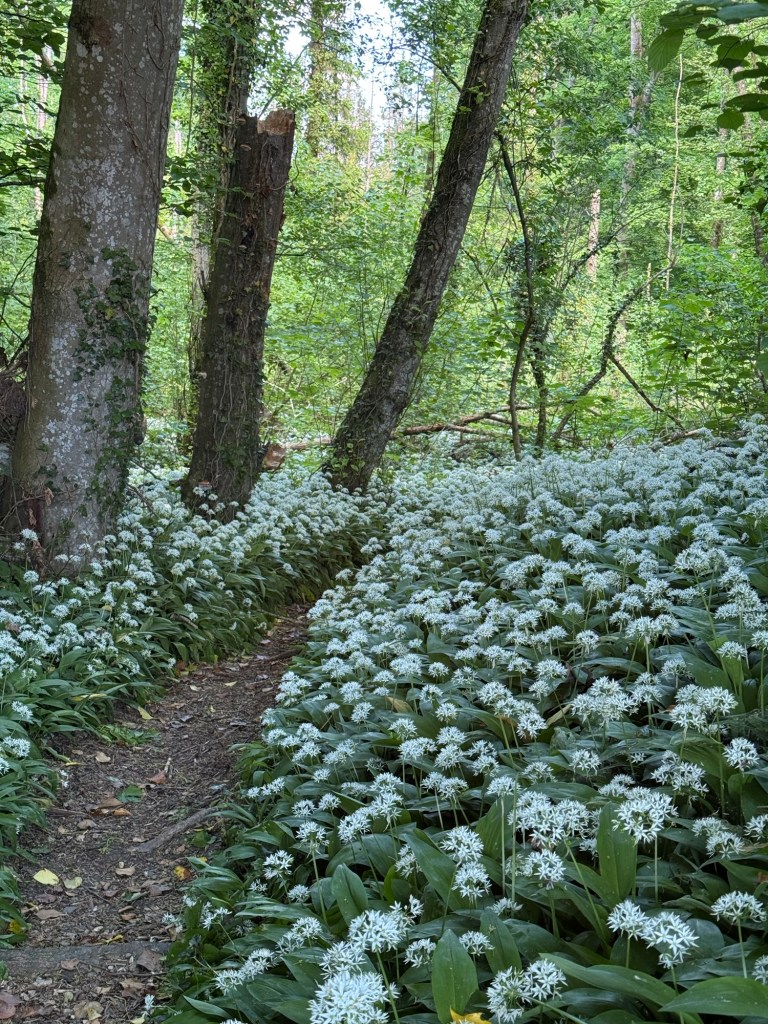
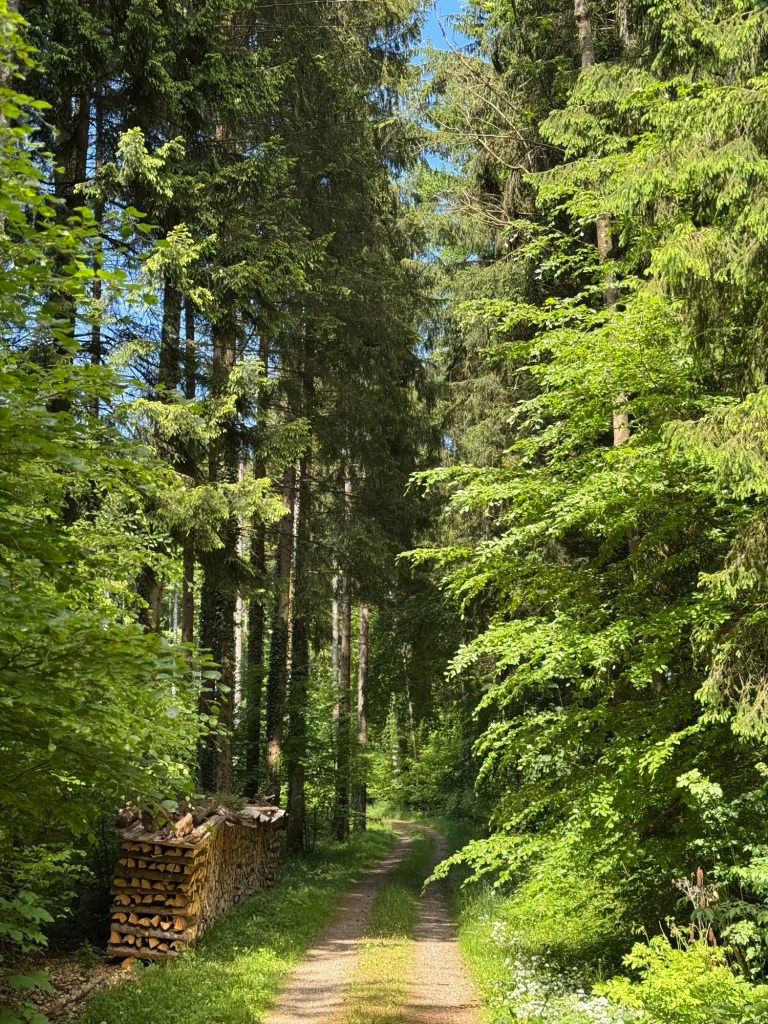
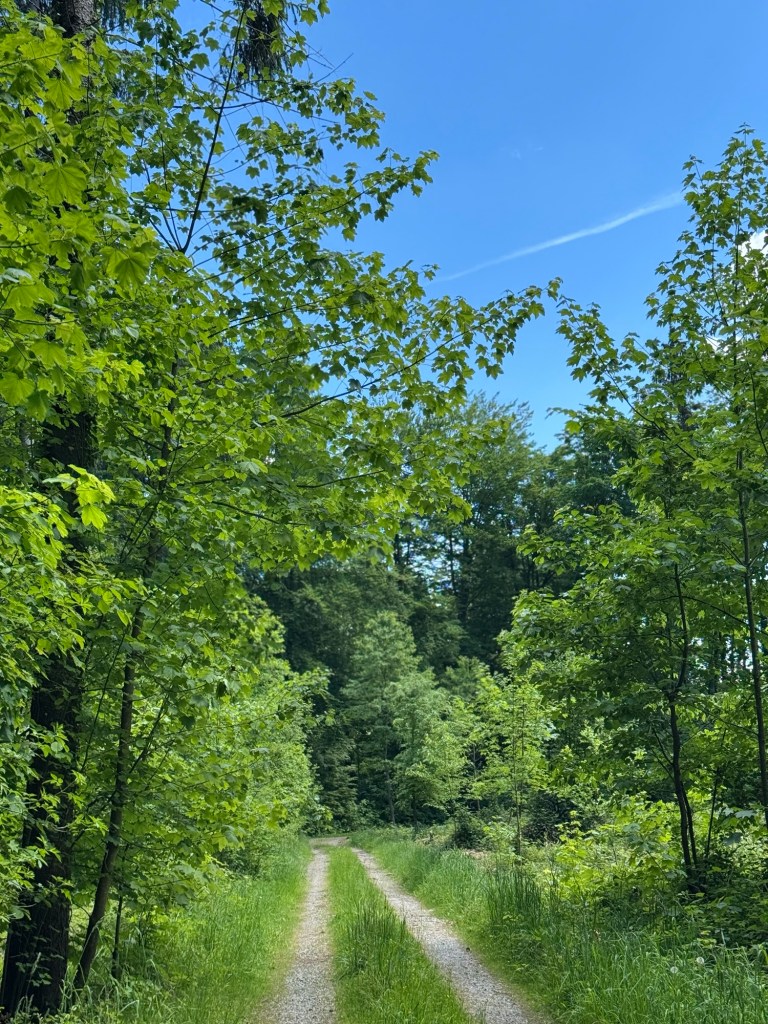
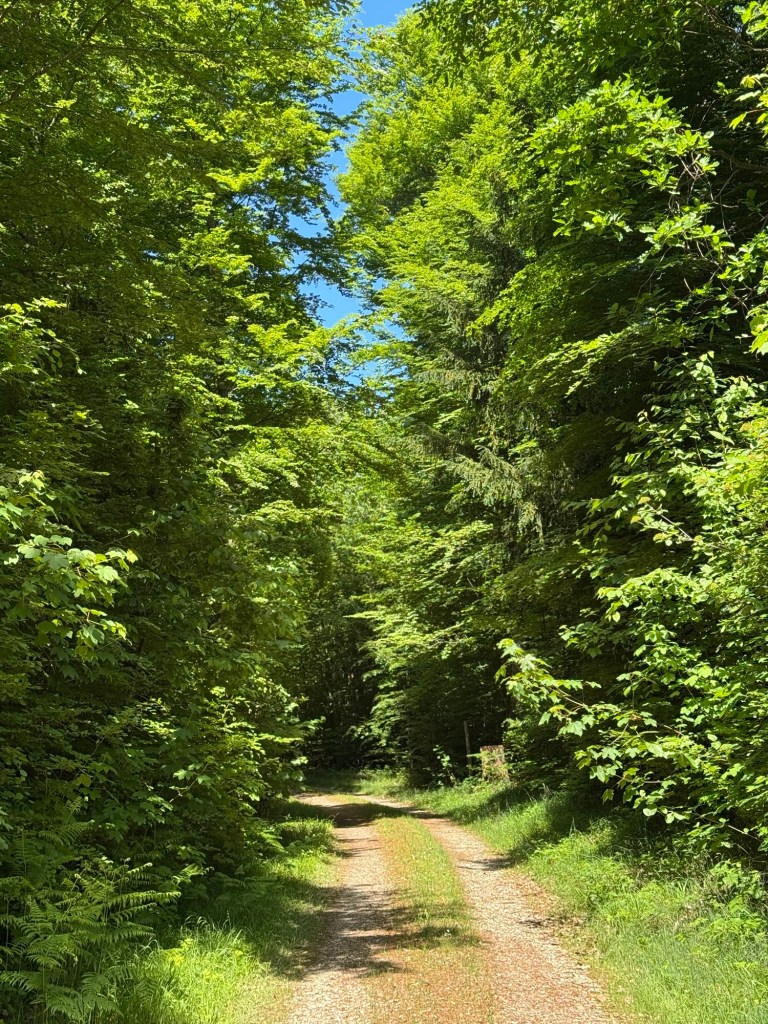
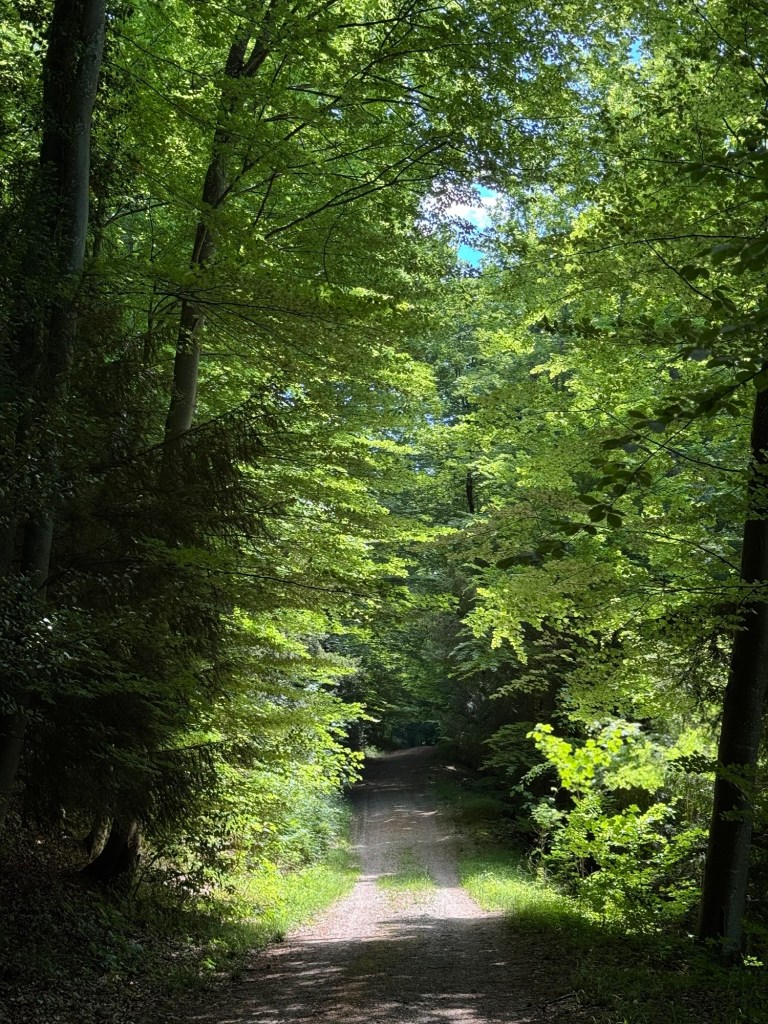
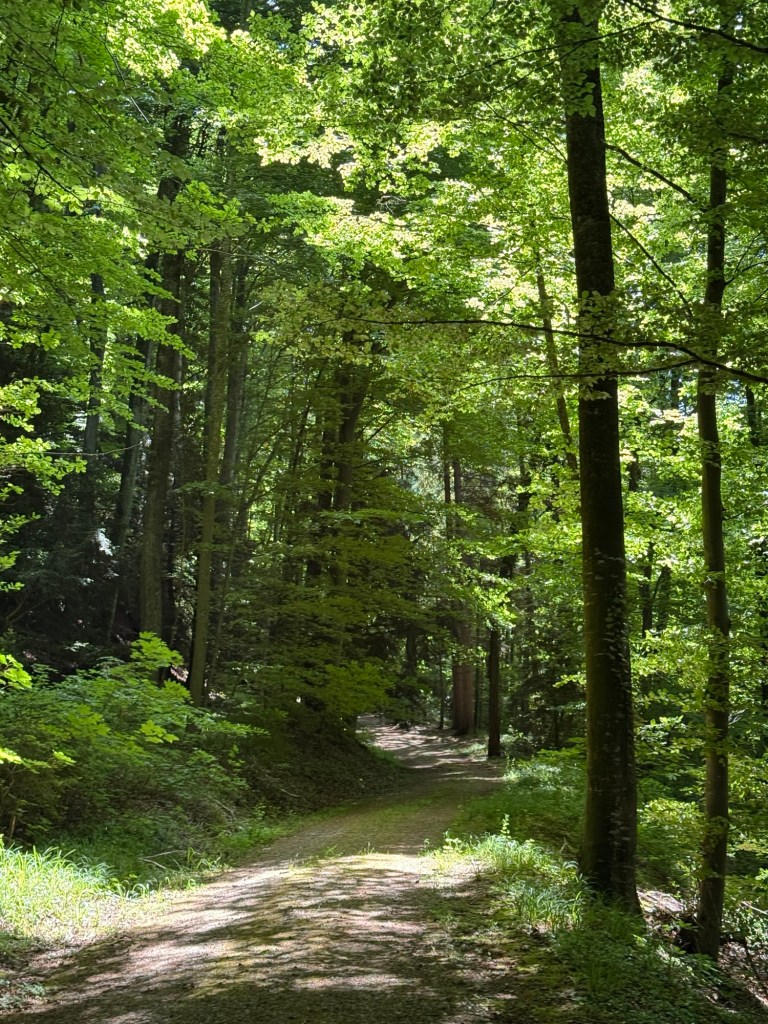
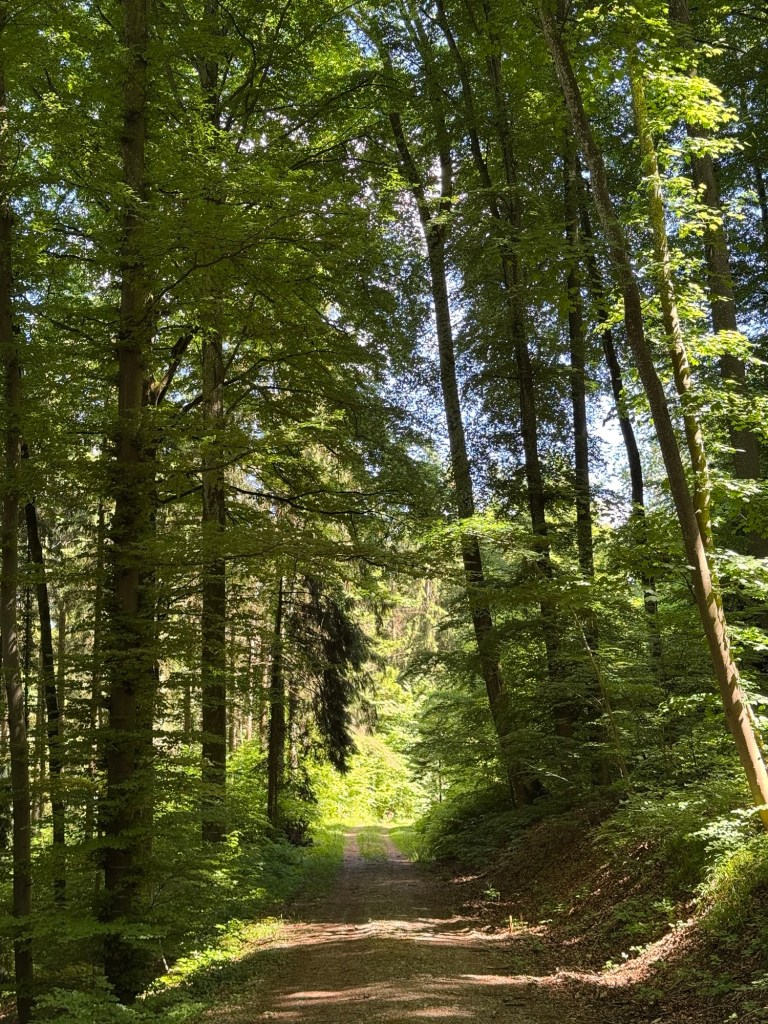
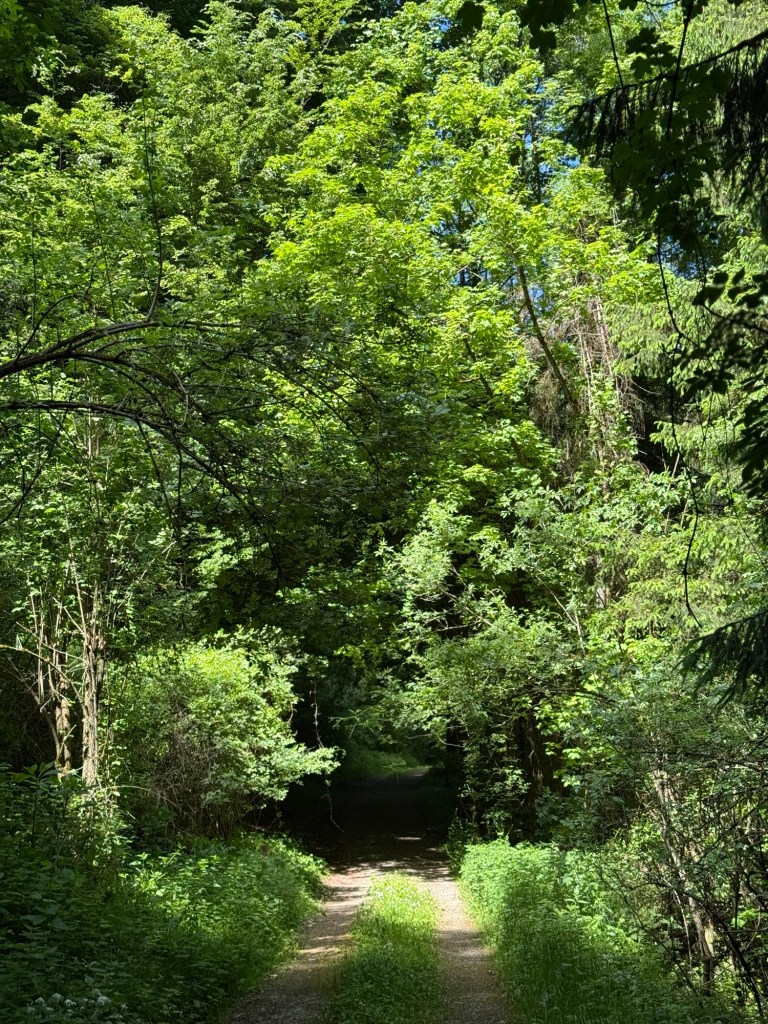
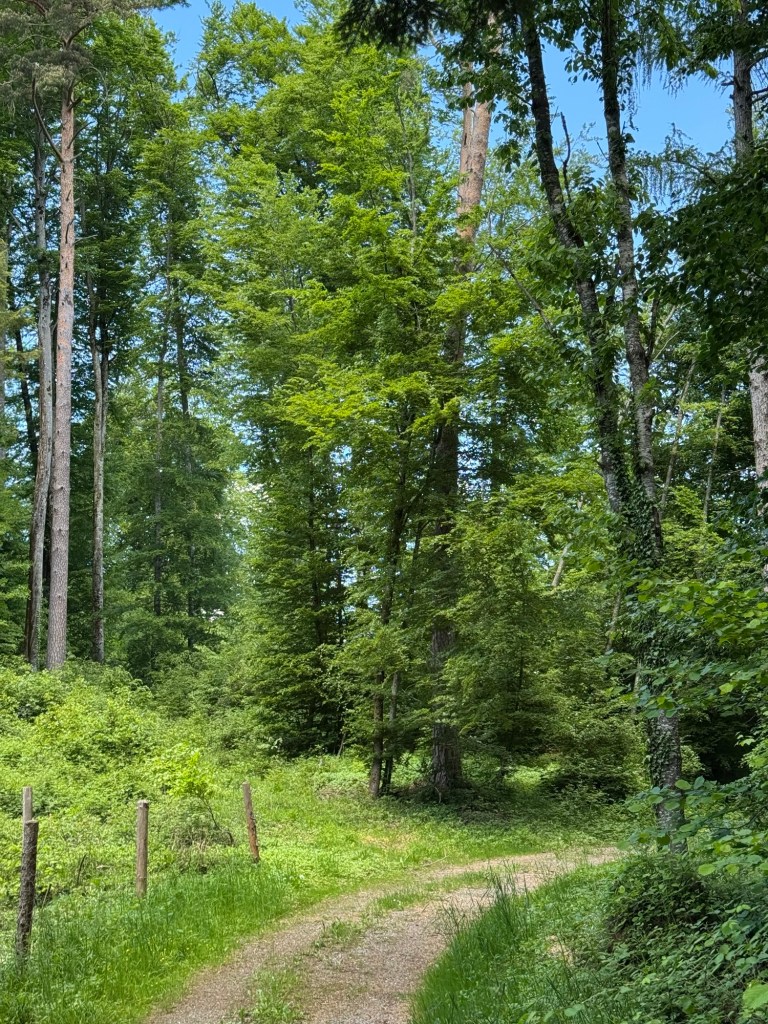
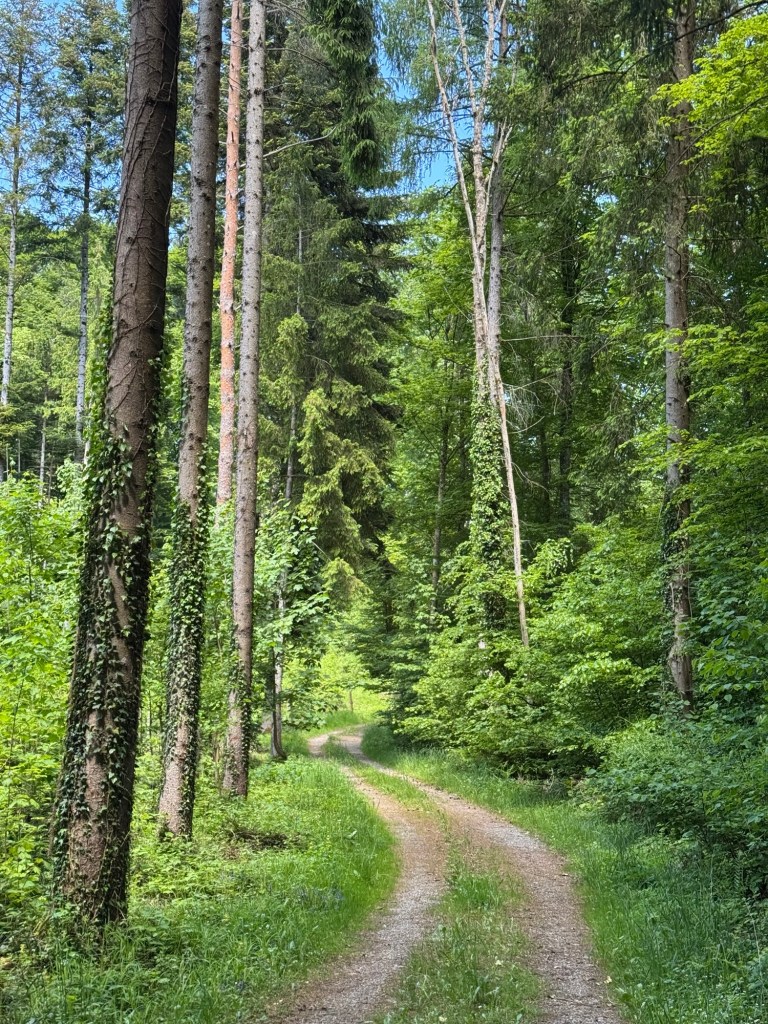
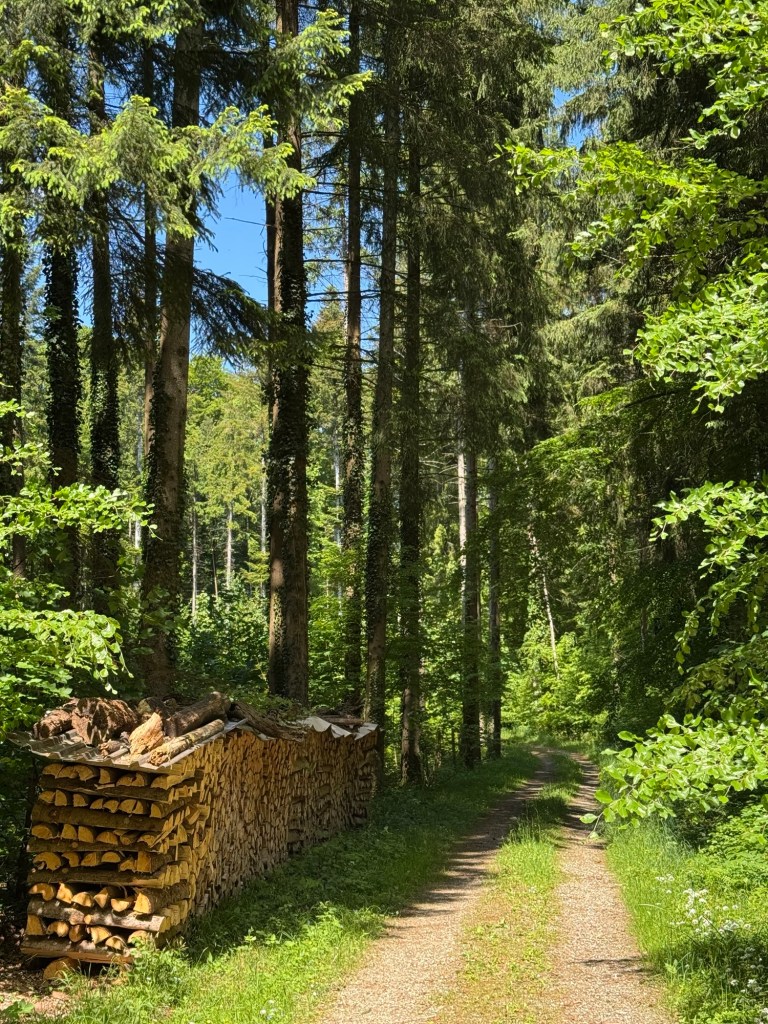
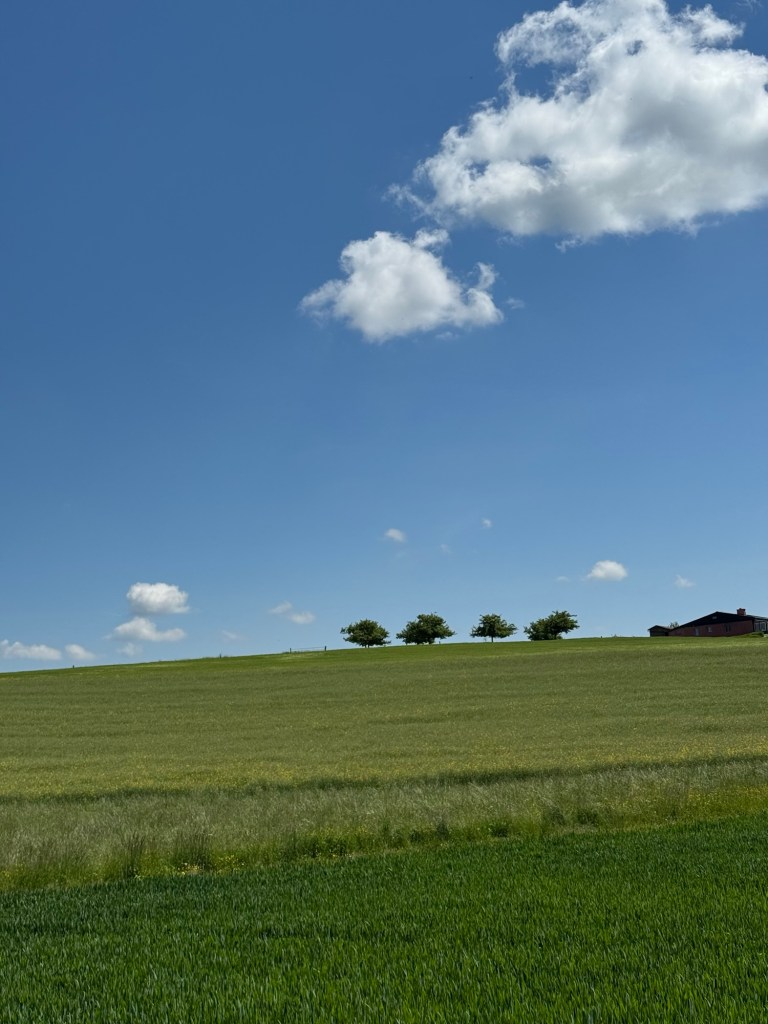
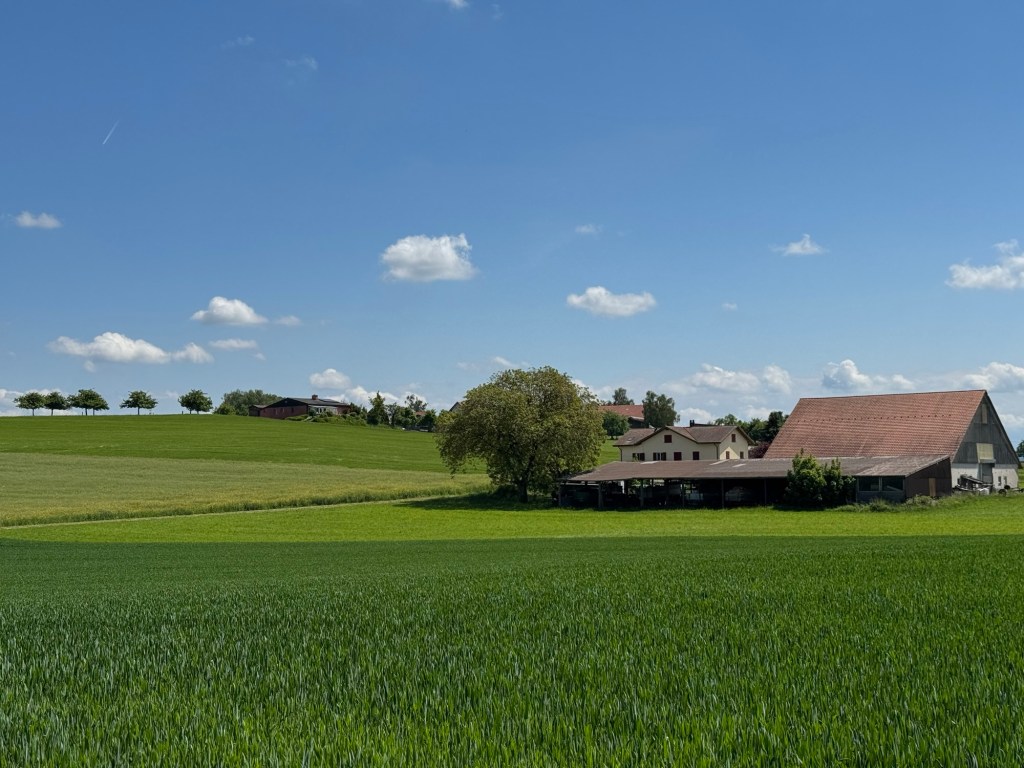
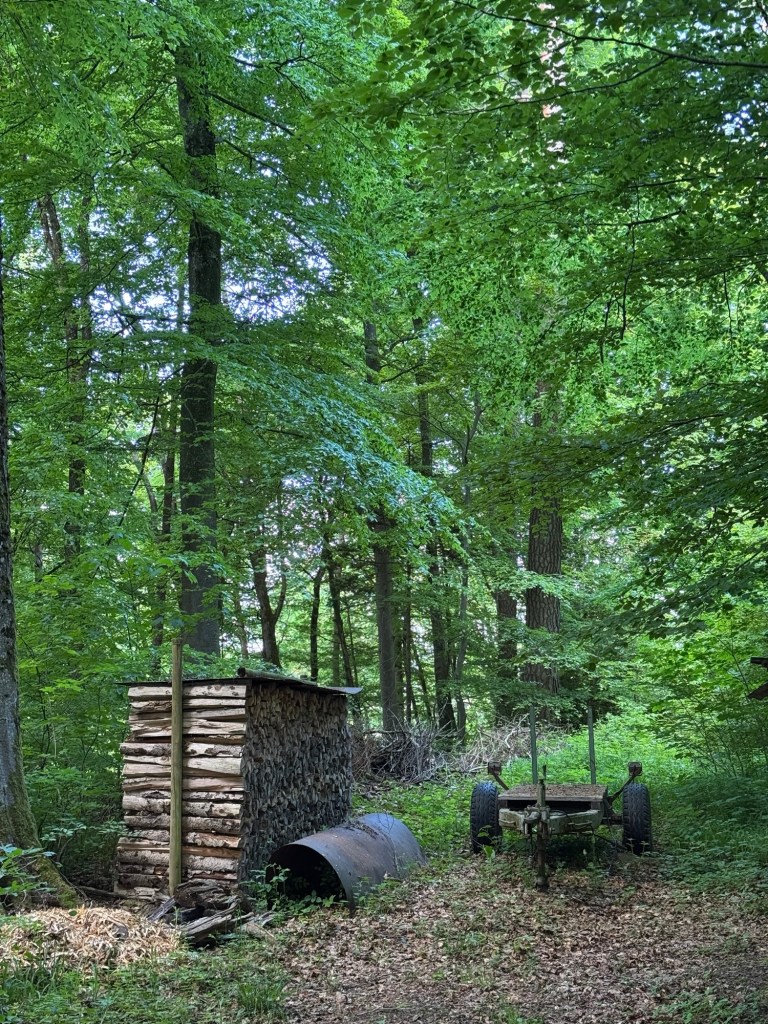


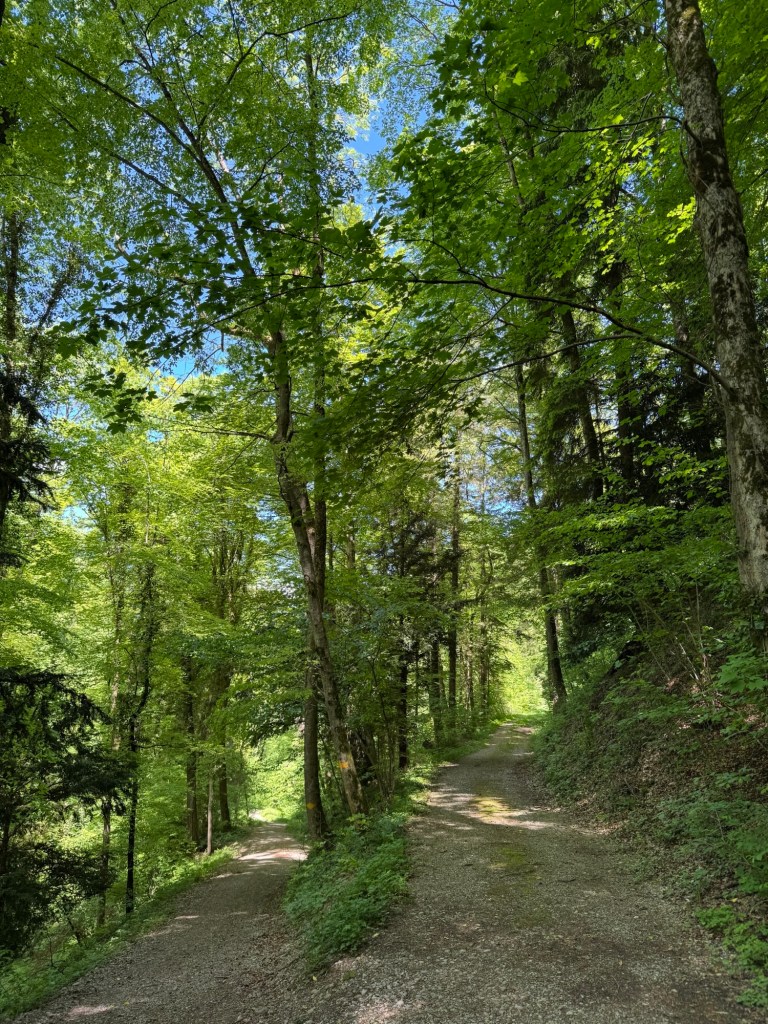
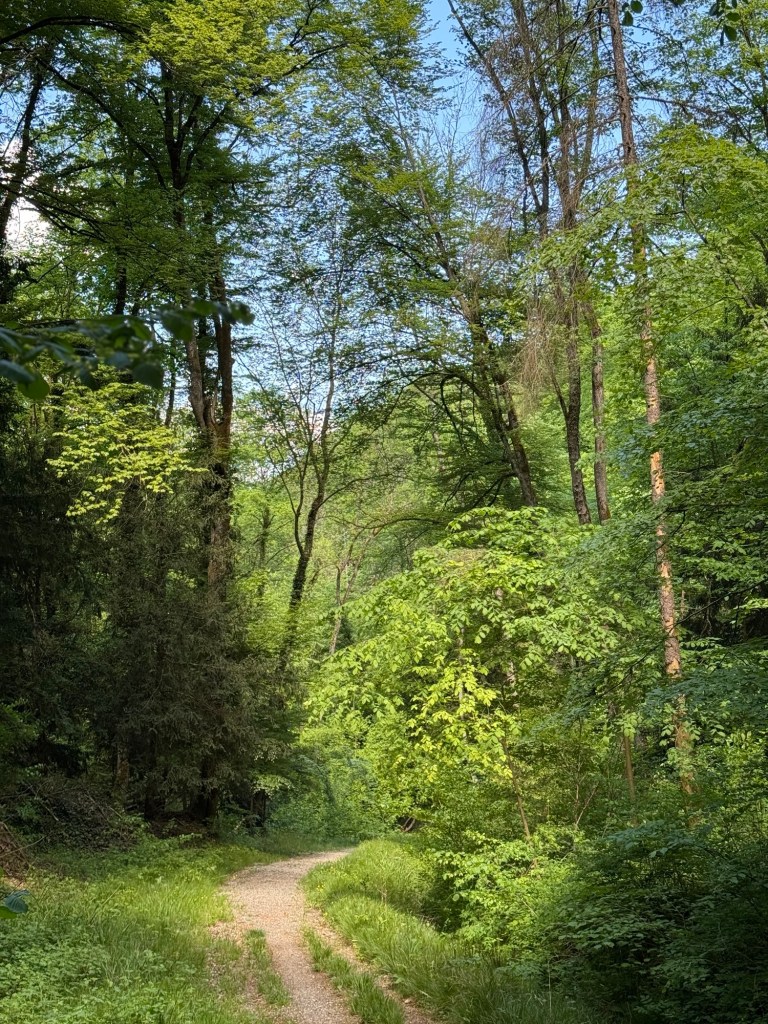
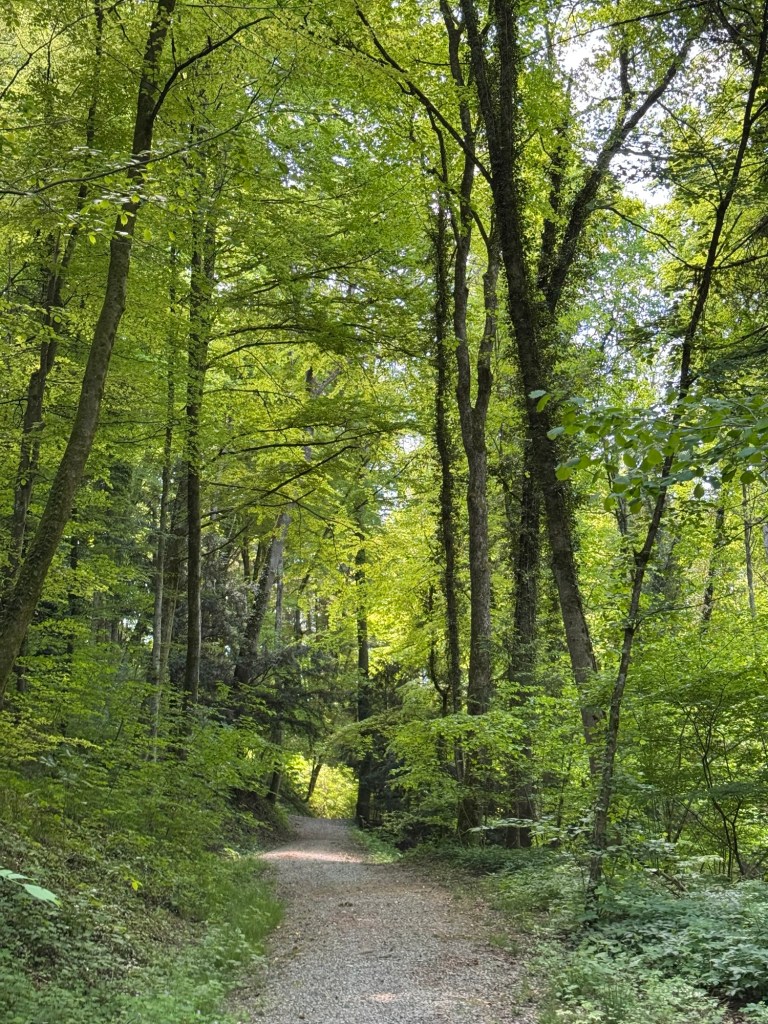
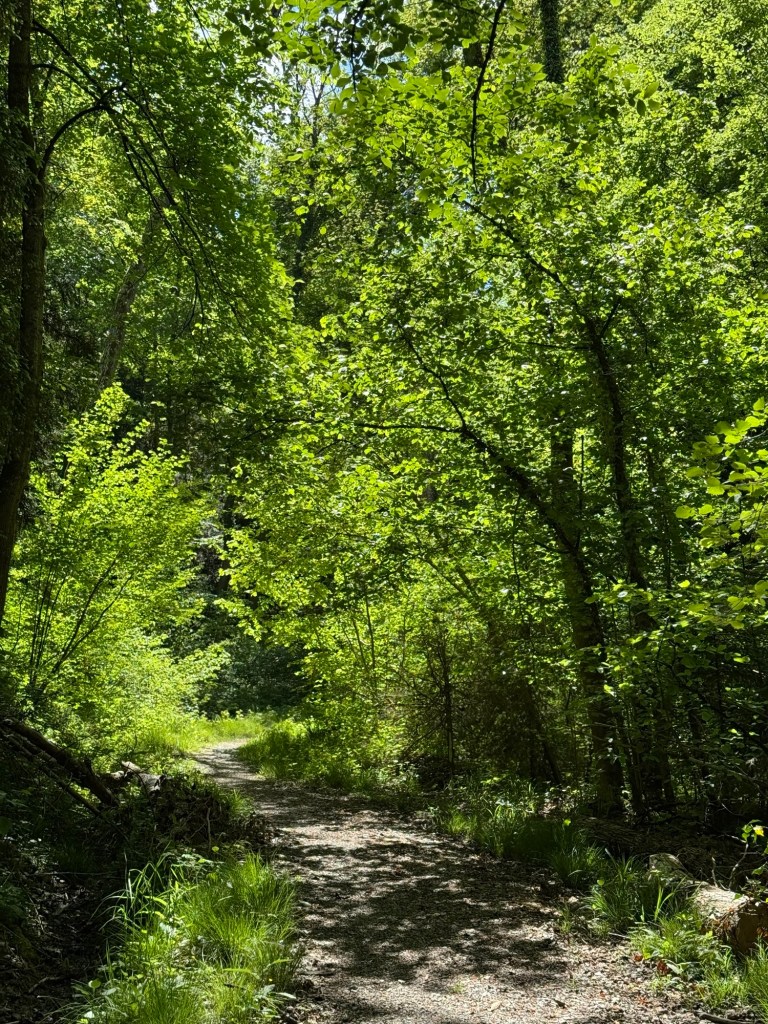
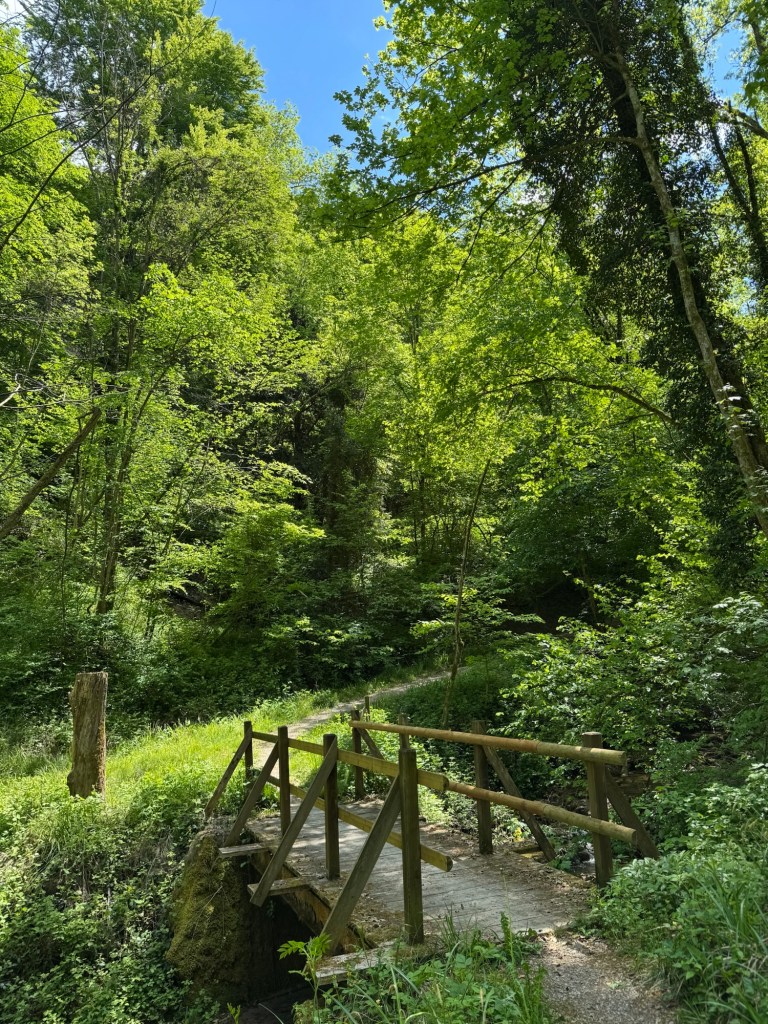
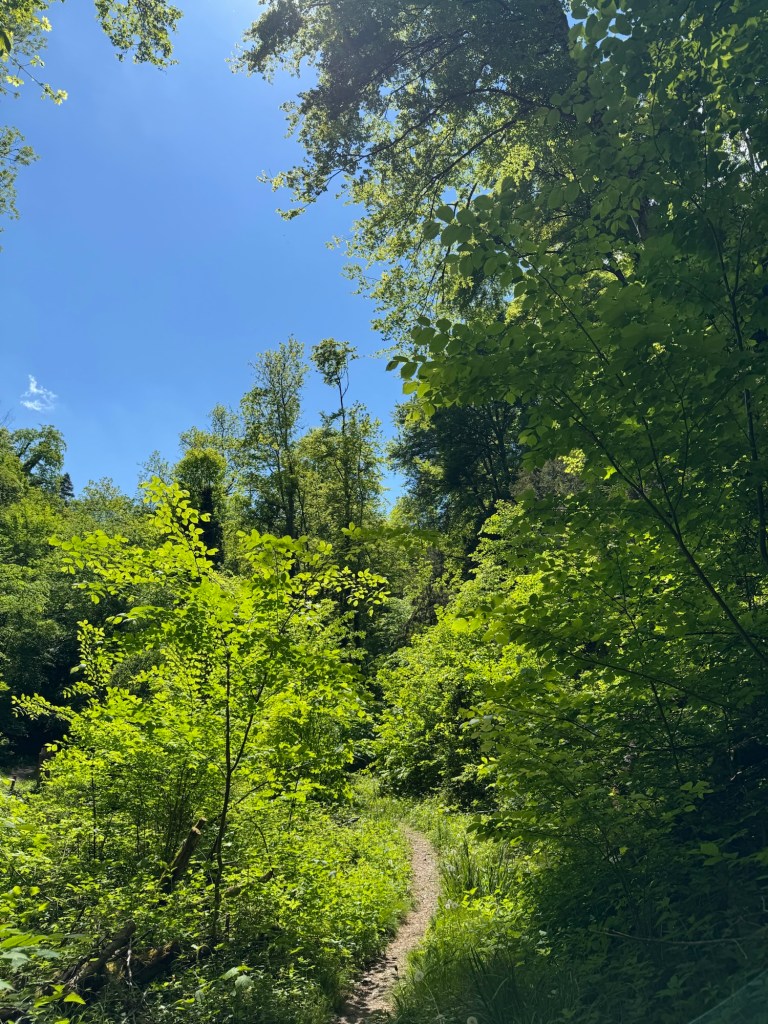
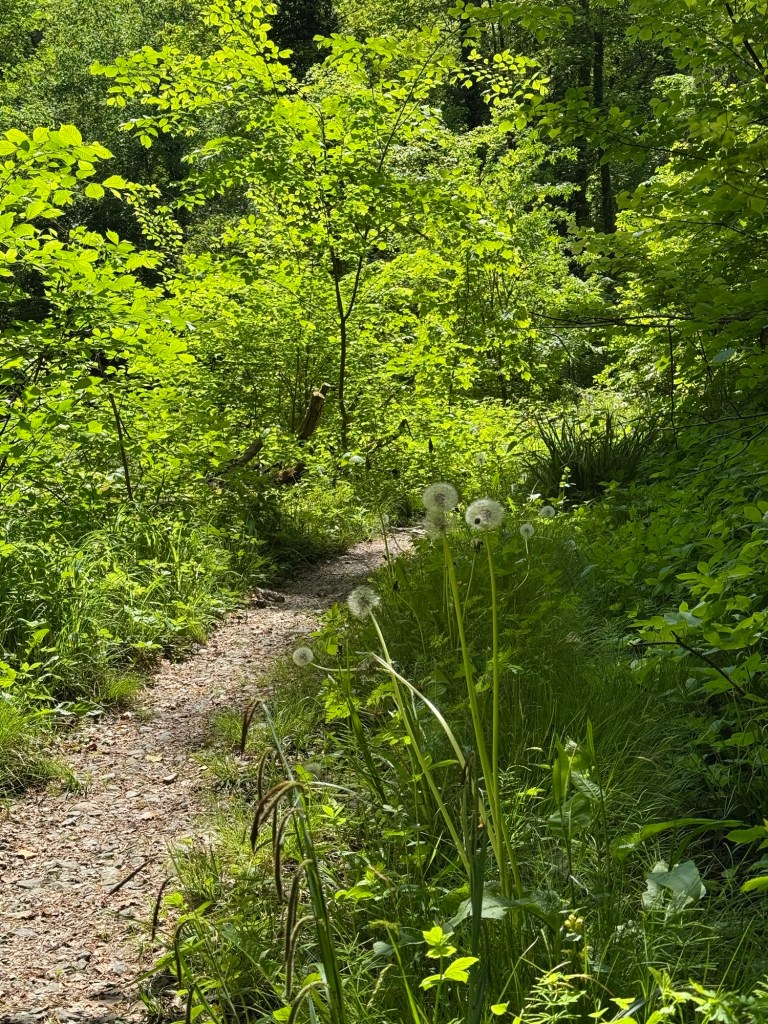

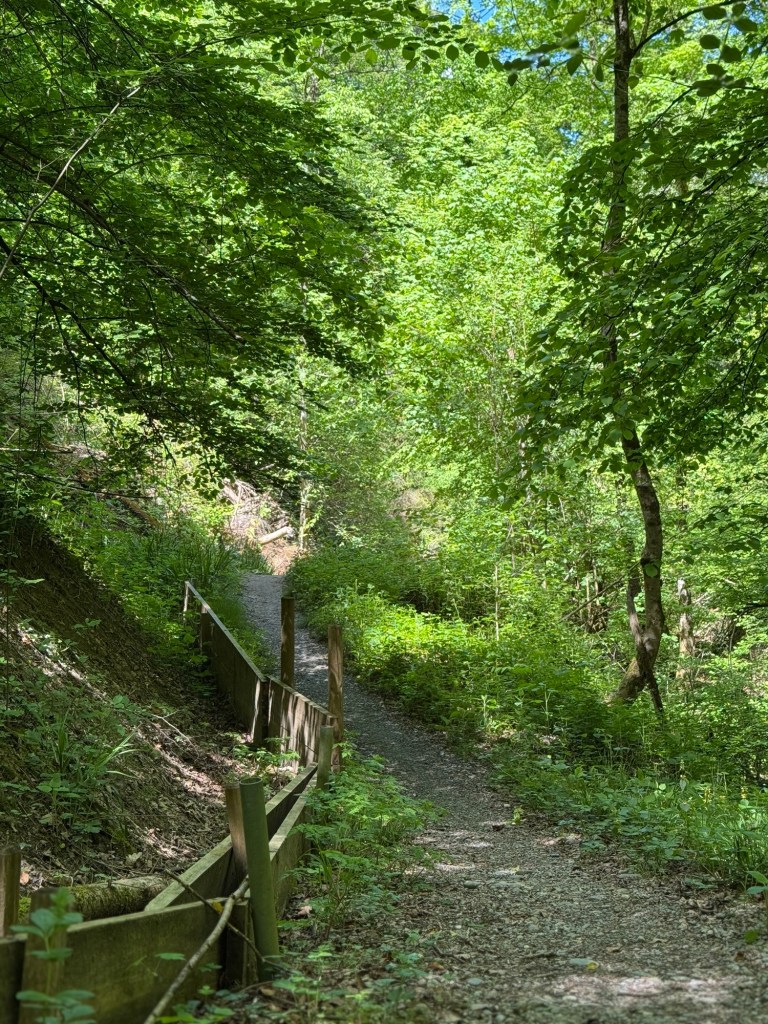

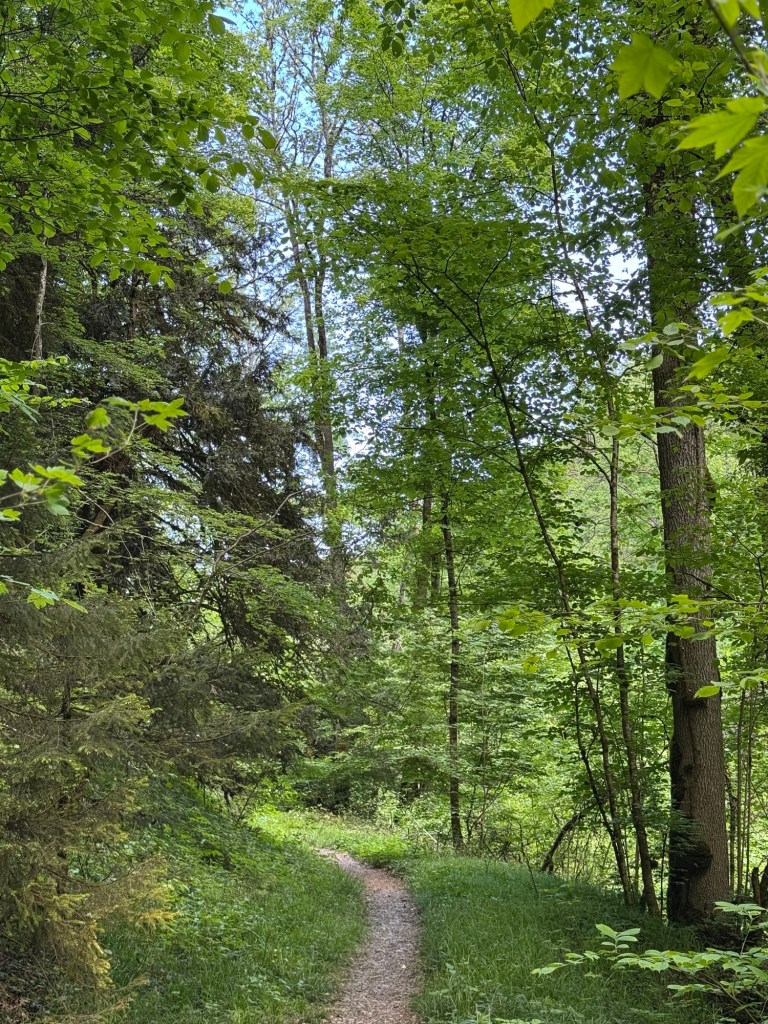


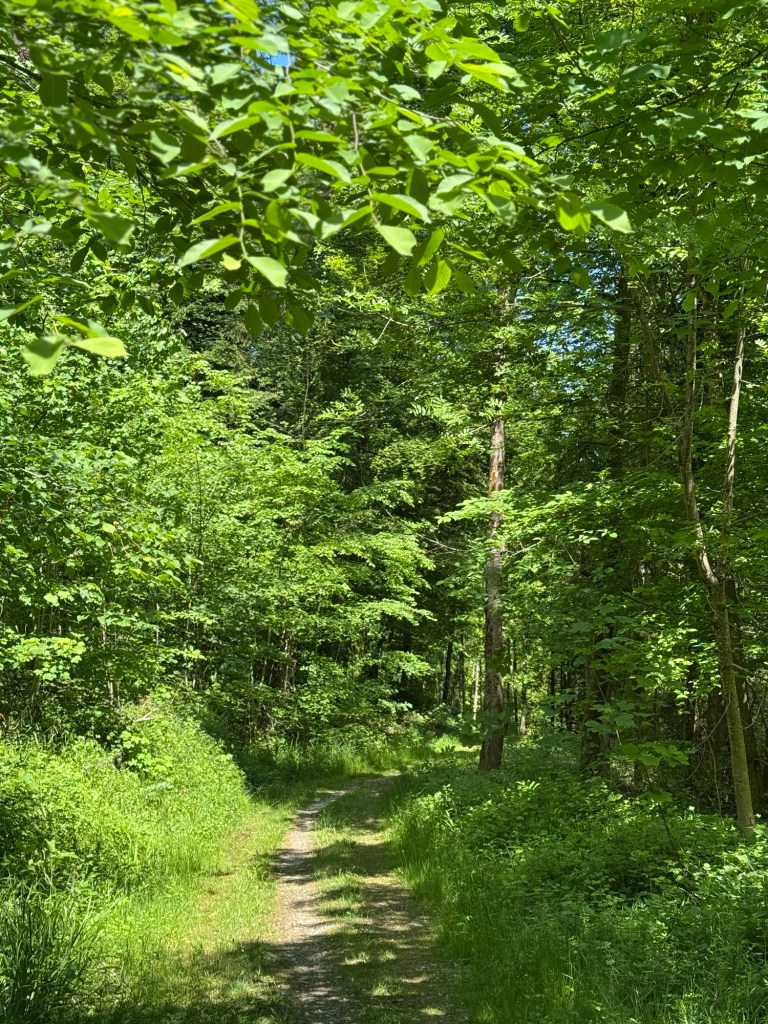
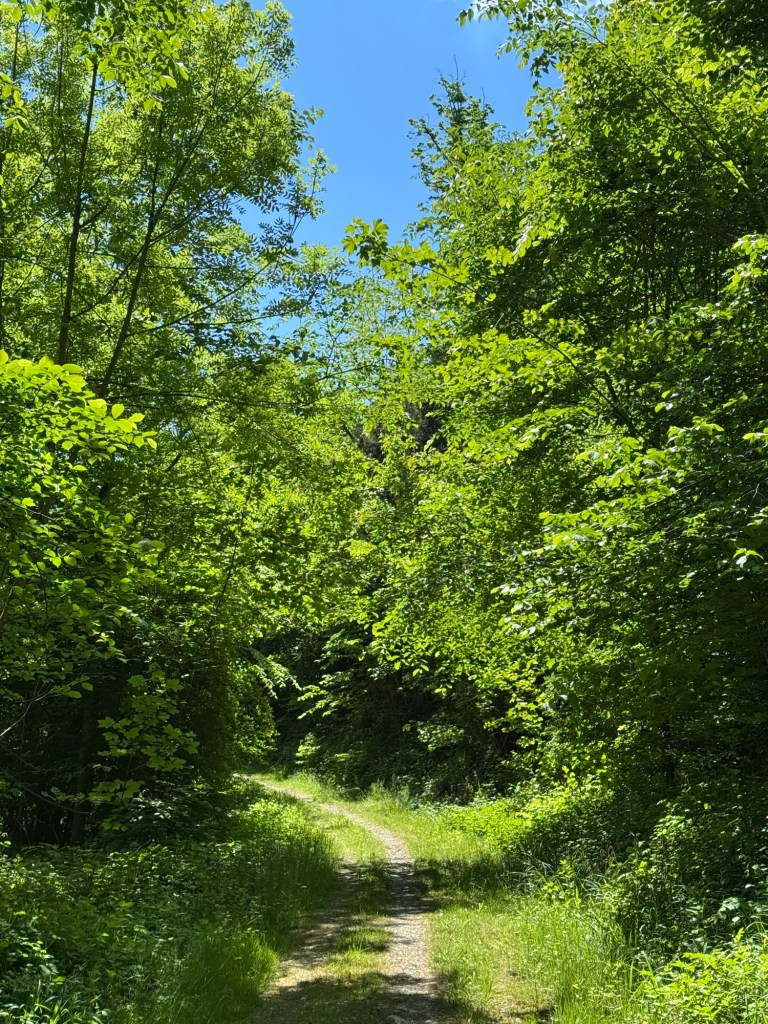
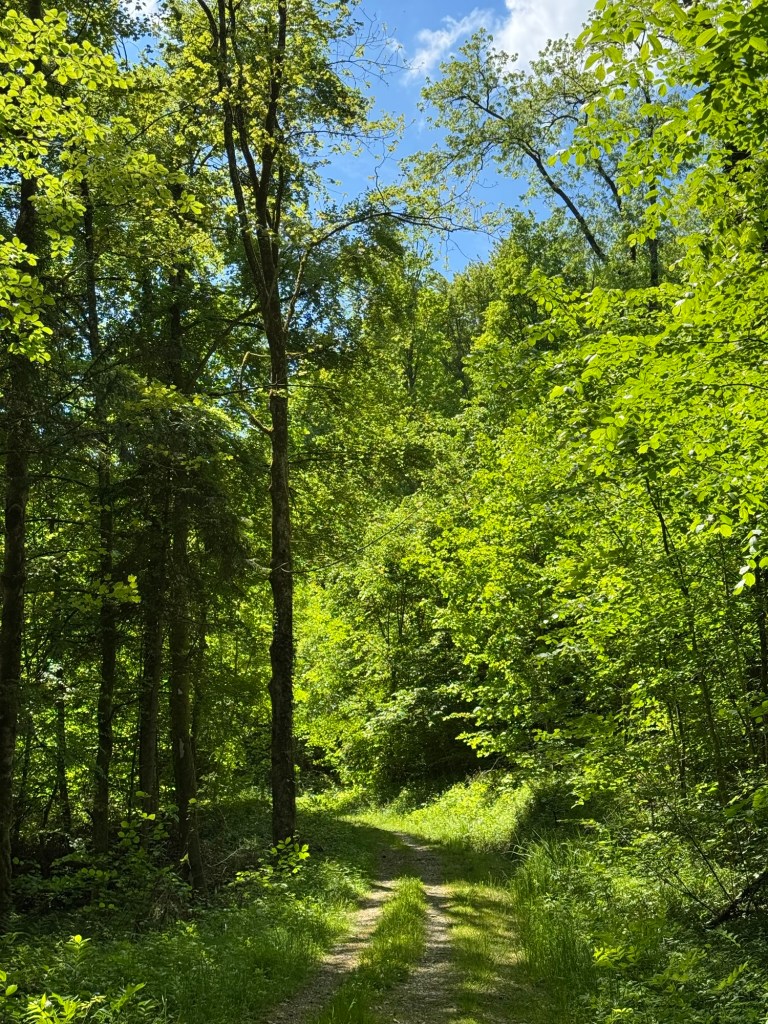
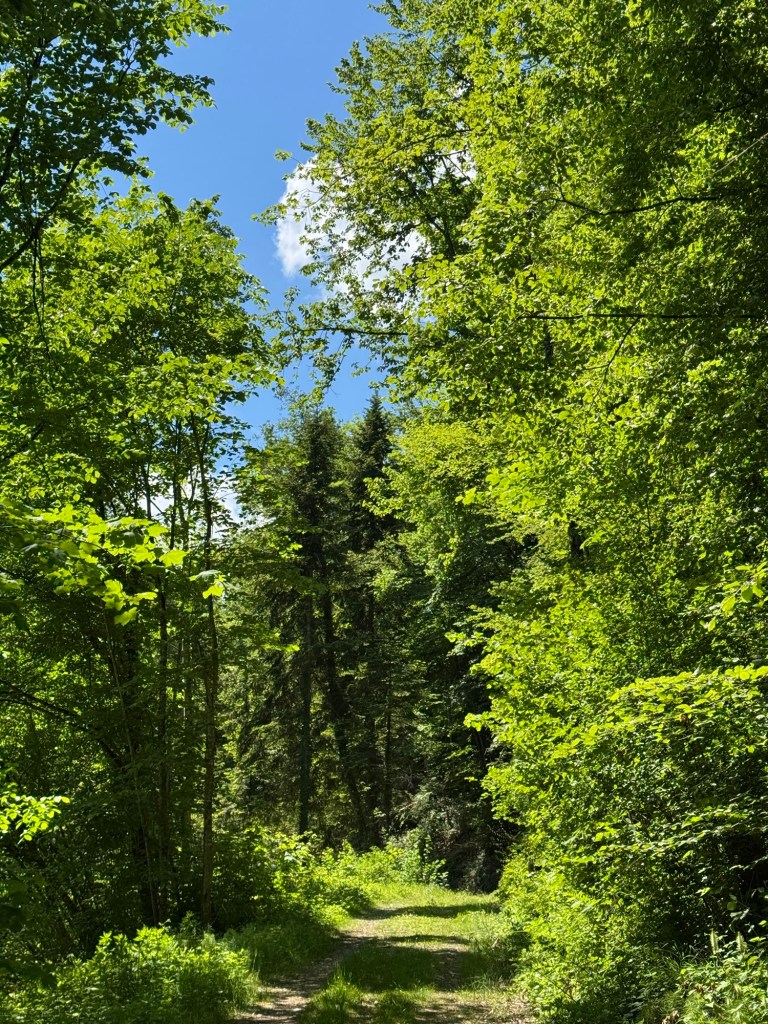
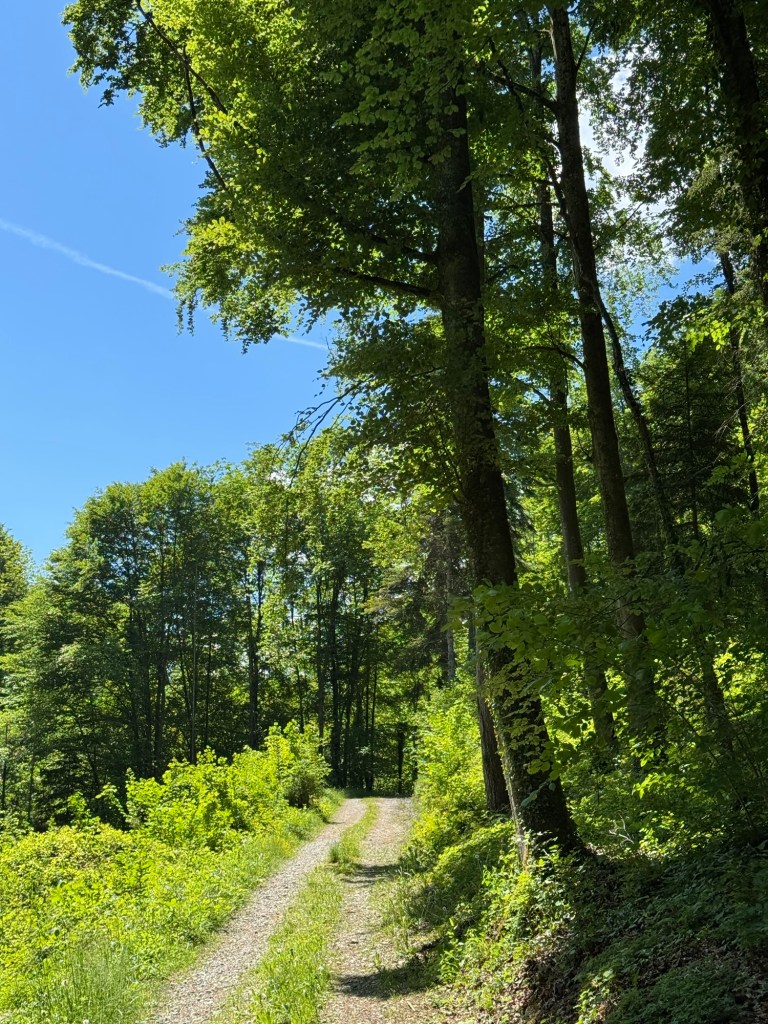
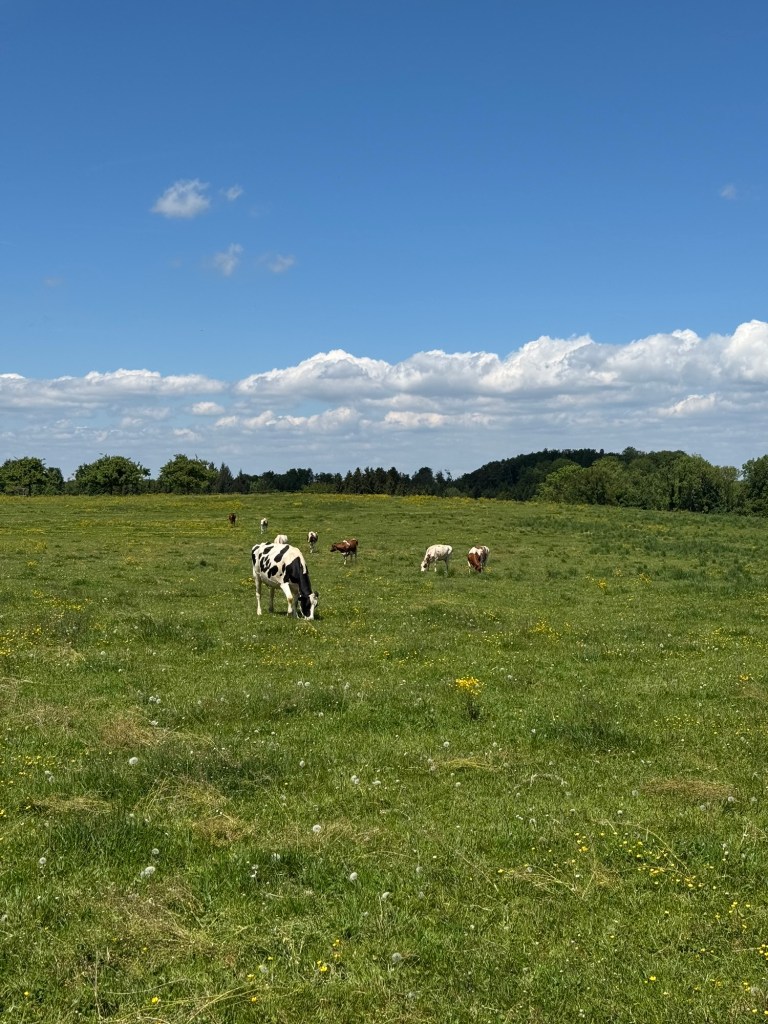

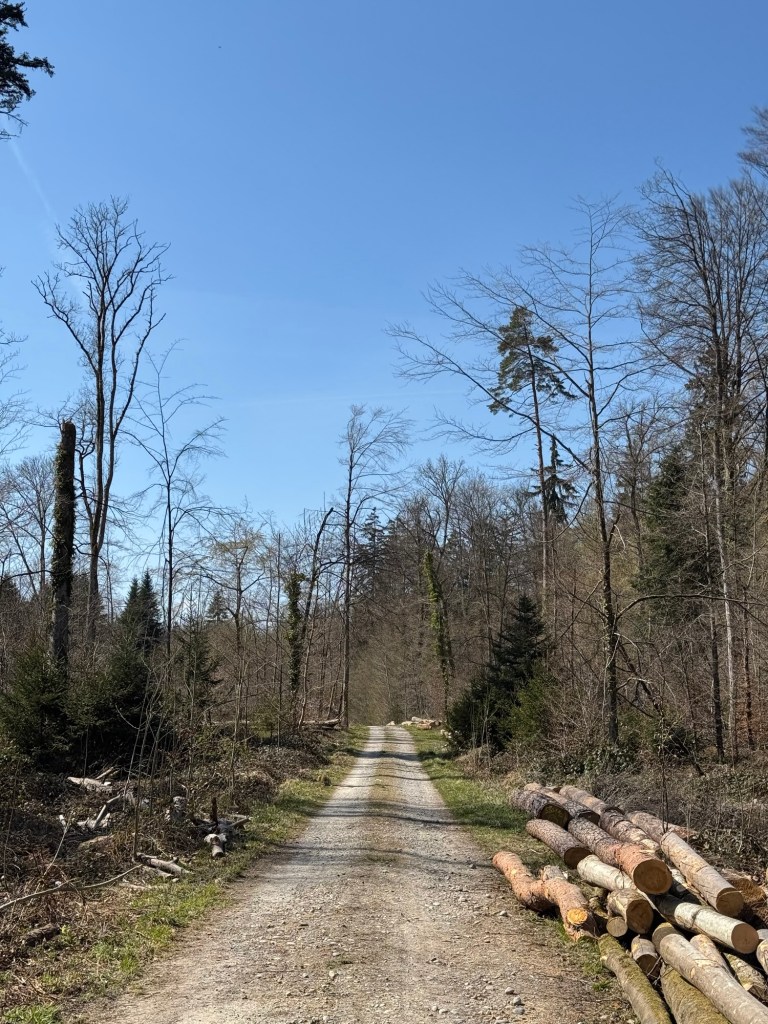
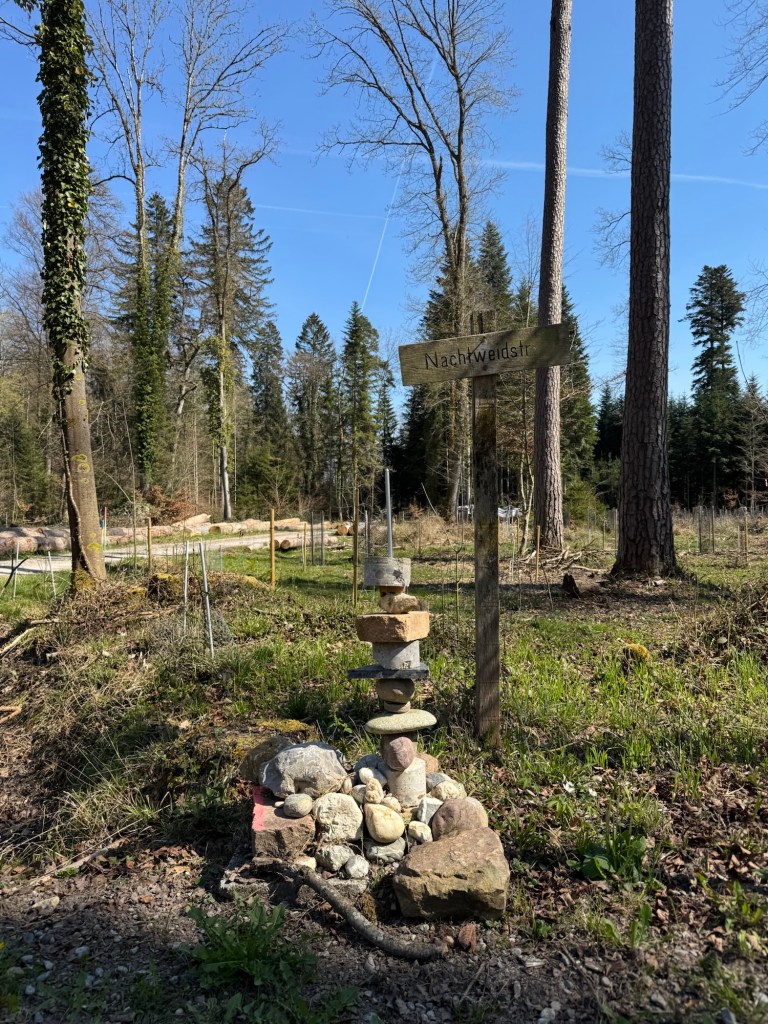
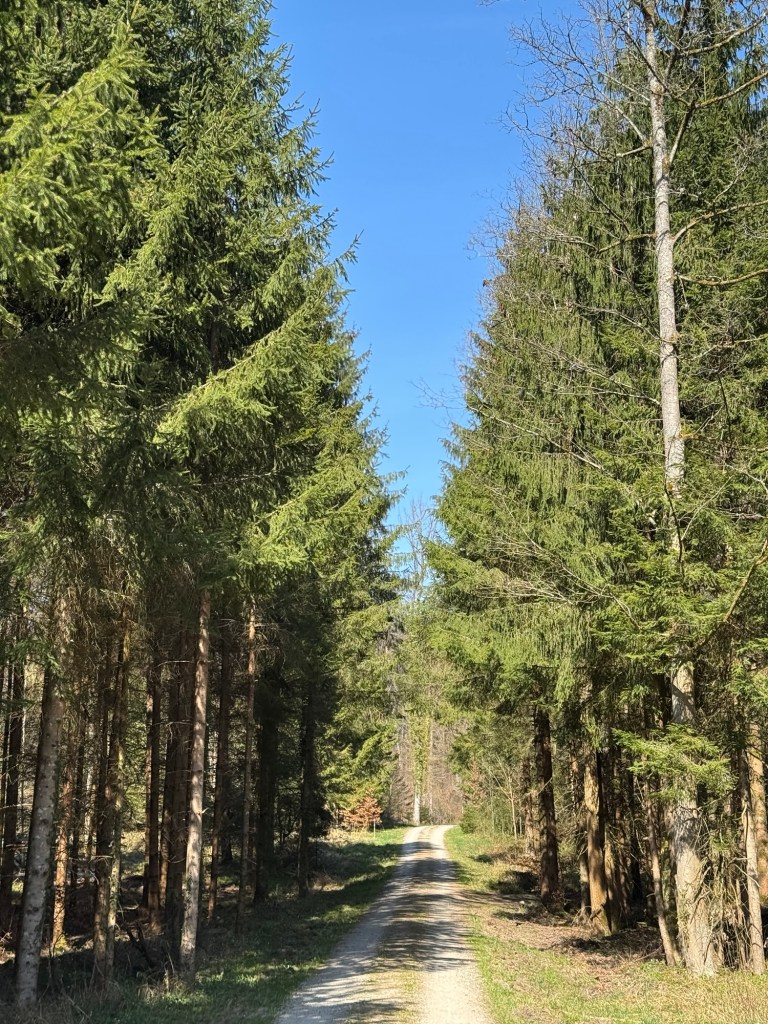
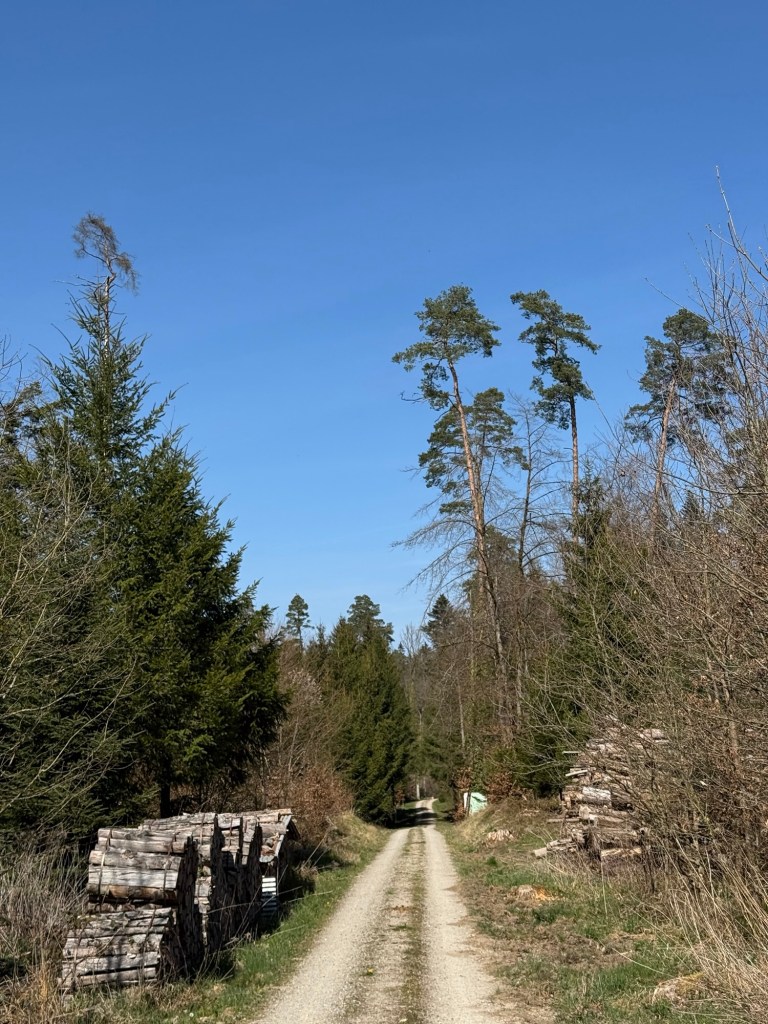
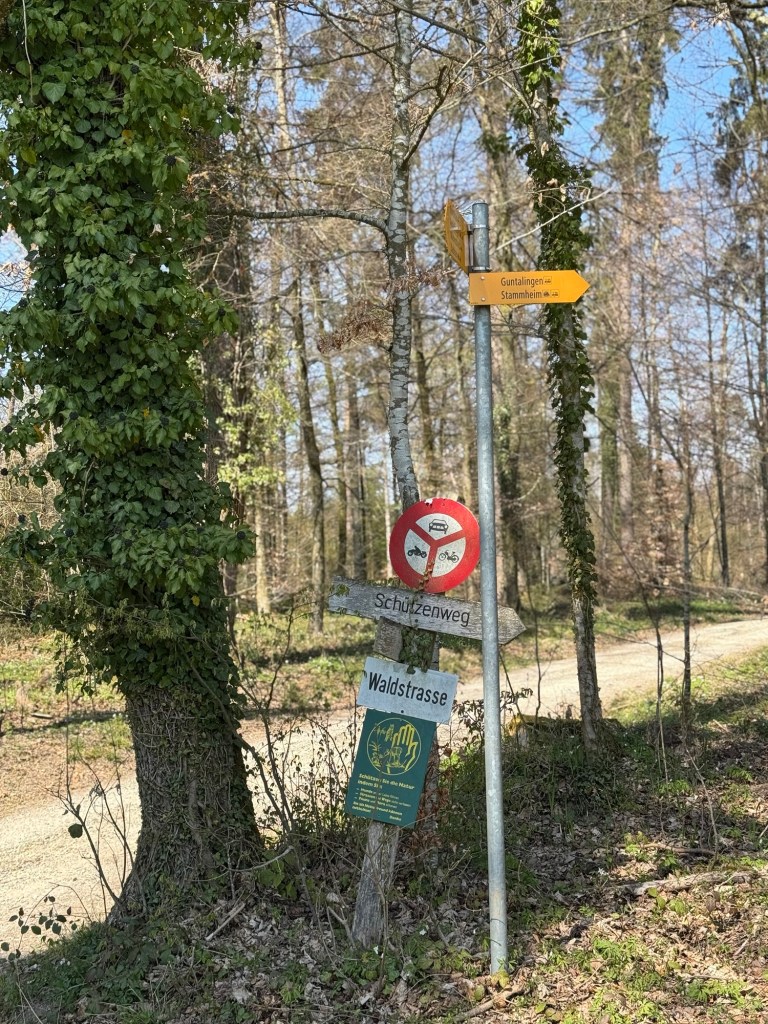
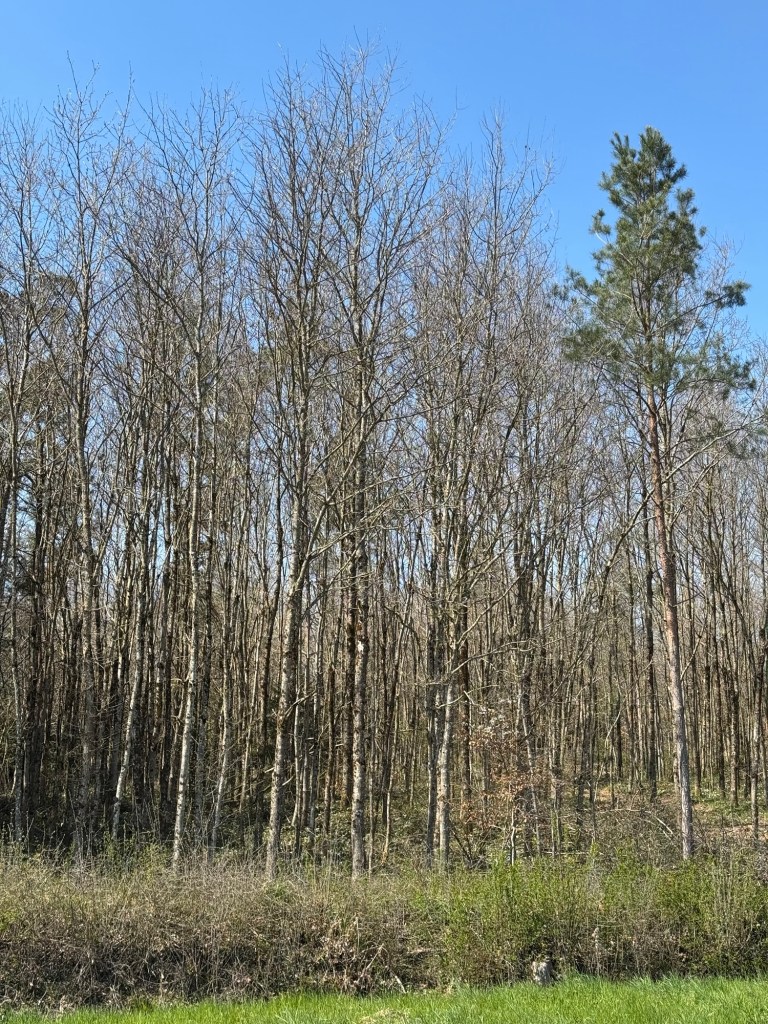
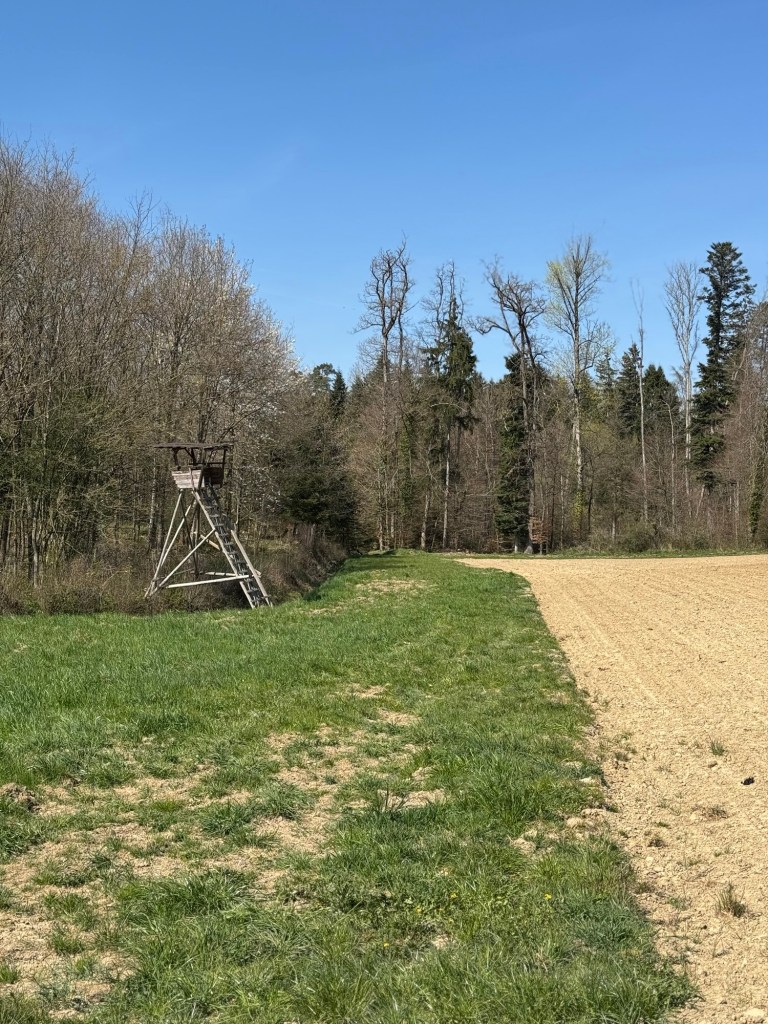
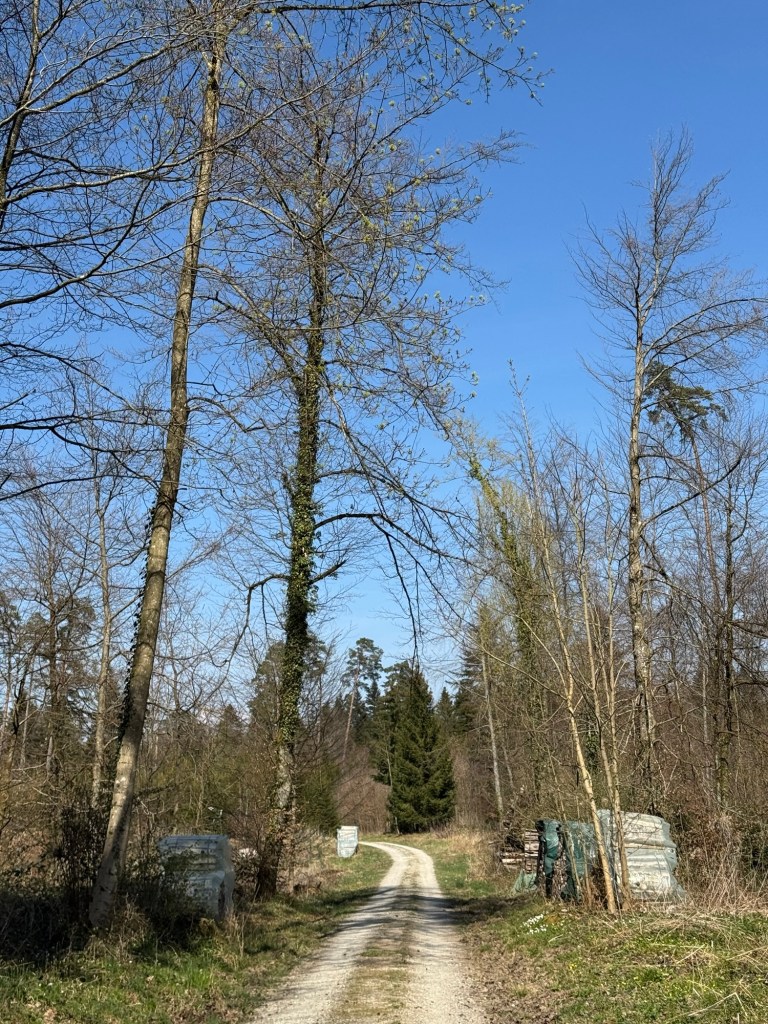
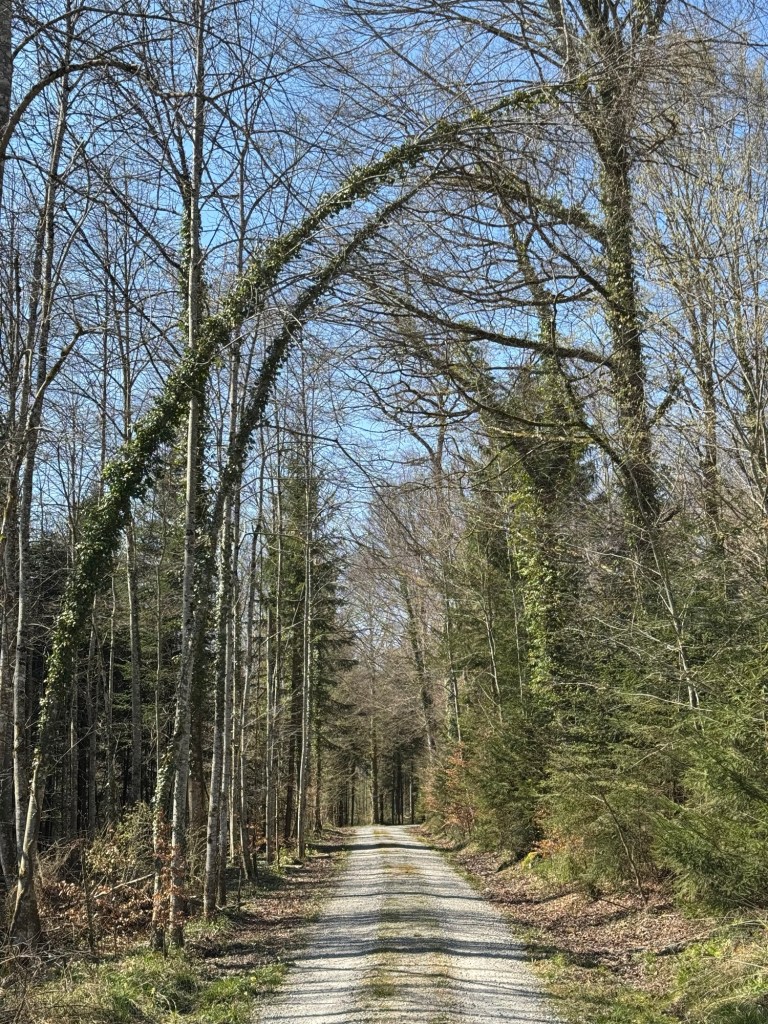
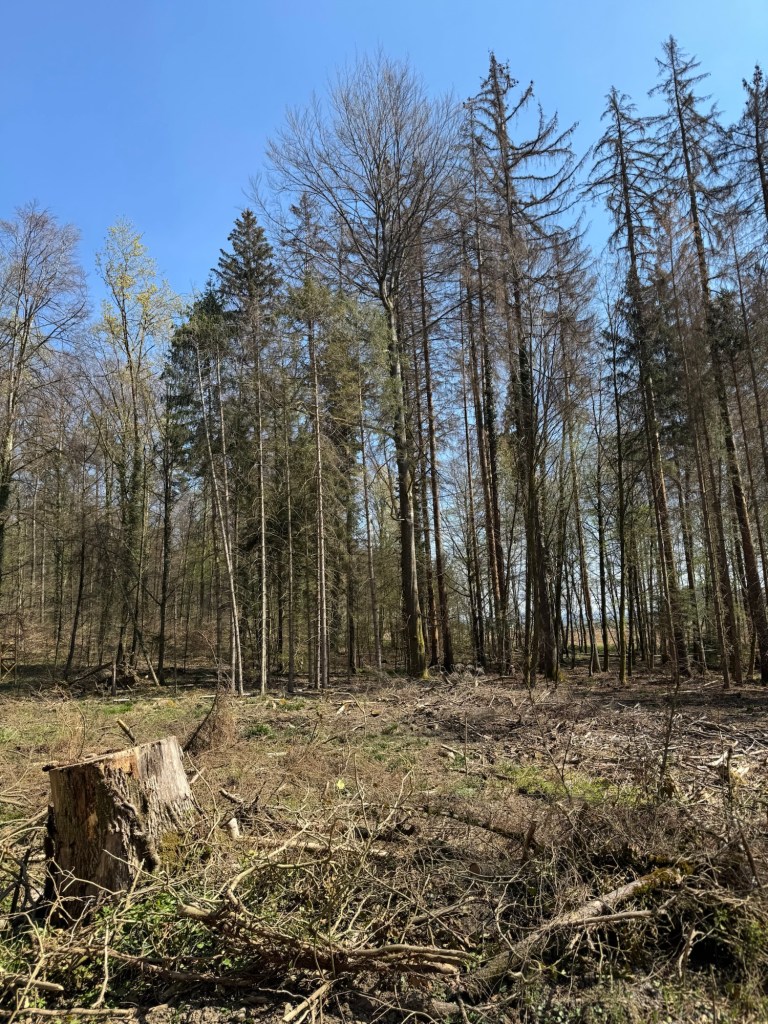
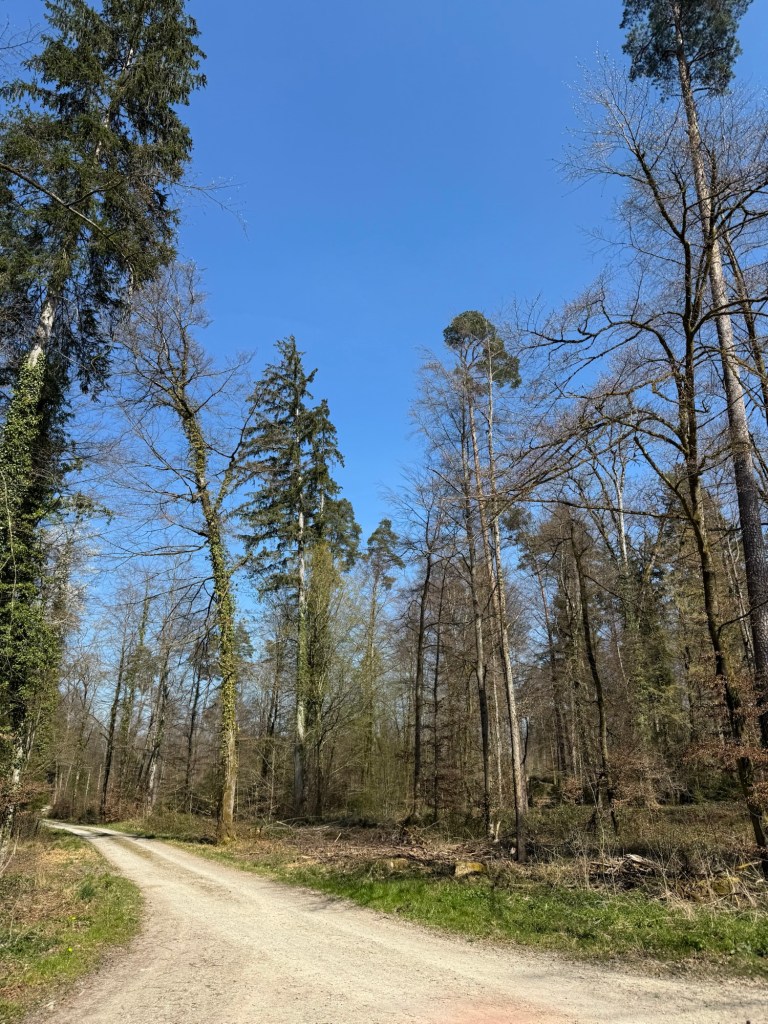
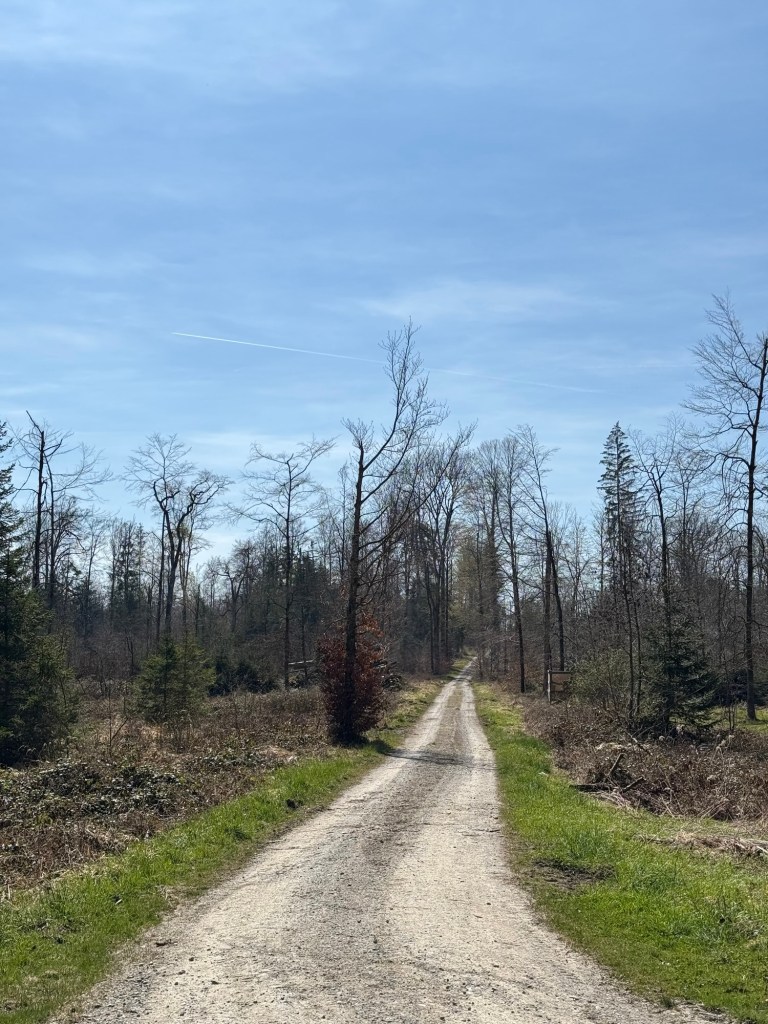
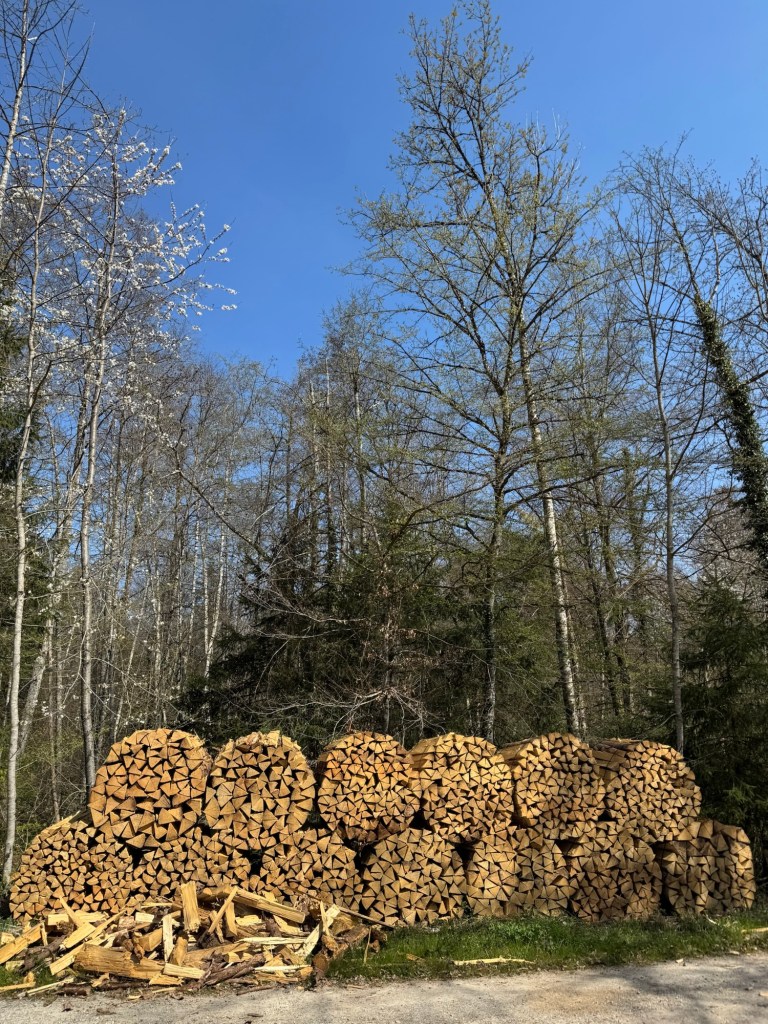
В июне 2016 Басадинген получил приз за самый красивый смешанный лес Швейцарии. Пару лет спустя этот лес был почти полностью уничтожен короедами. Не успел он начать восстанавливаться, как его добили паразиты, которых кто-то умудрился завезти из Юго-Восточной Азии. Избавиться от паразитов можно было одним способом — сжигать пострадавшие деревья. Результат: на возрождение леса уйдут десятилетия. А пока он выглядит вот так:








 Here is the thing...